How to Open Hood on Ford F250 Super Duty: A Real Owner’s Guide
You pull into the driveway, pop the hood release under the dash, and nothing happens. The hood on your Super Duty stays shut. Maybe the cable feels loose. Maybe you hear a click but the hood won’t lift. This happens more than you’d think on these trucks, especially on high-mileage work rigs.
I’ve owned three Super Duty trucks and spent plenty of afternoons under the hood of a 2026 F-250. The release system is simple, but it has quirks. Ford changed the latch design on the 2026-2026 models, and those years have a specific failure point worth knowing about.

Ford
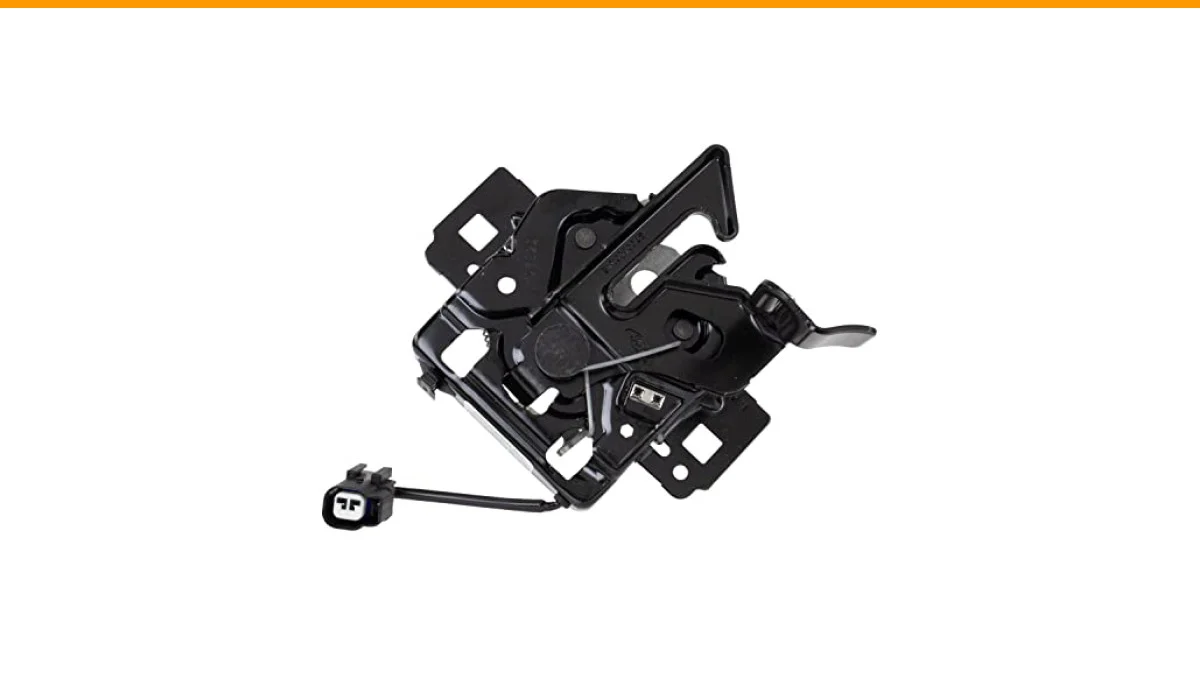
Ford 2017-2019 F-250 F-350 Super Duty Hood…
- Fits 2017-2019 Super Duty Models w/ Anti-theft Perimeter Security System
- Pre-Installed Wiring Pigtail
- OEM Genuine Ford Parts
This guide walks you through the standard release, the two-stage latch, what to do when the hood won’t pop, and how to spot a bad latch before it strands you. You’ll also learn the difference between the primary and secondary release so you don’t bend your hood trying to force it.
If your latch has failed entirely, the Ford OEM Hood Latch Assembly for 2026-2026 Super Duty models with the anti-theft perimeter system is a direct replacement. It comes with a pre-installed wiring pigtail, which saves you from splicing the sensor harness yourself. Just check your VIN with the seller before ordering, since the anti-theft sensor version won’t fit trucks without that package.
The Standard Hood Release, Step by Step
Every F-250 Super Duty from the 1999 model year forward uses the same basic layout. The primary release handle sits under the driver’s side dash, usually near the parking brake pedal. On 2026 and newer trucks, it’s a small lever with a hood icon stamped on it.
Pull the handle firmly toward you. You should feel resistance, then a distinct pop. That pop is the primary latch releasing. The hood will rise about an inch on its own spring pressure.
Now walk to the front of the truck. Slide your fingers under the leading edge of the hood, roughly centered. You’ll feel a secondary lever or paddle. Push it to the left (driver’s side) while lifting the hood. On some trims it’s a small tab you push up instead. Either way, the secondary catch releases and the hood swings free.
Support the hood with the prop rod. Ford uses a manual rod on most trims, not gas struts. The rod clips into a holder on the passenger side of the engine bay. Set it in the designated hole on the hood’s underside.
One thing I’ve noticed: the secondary lever gets stiff in cold weather. Below about 20 degrees Fahrenheit, it can feel like it’s welded shut. A shot of white lithium grease on the mechanism in fall prevents that headache.
Why the Hood Won’t Pop (and What to Do)
A Super Duty hood that won’t release usually has one of four problems. Here’s how to diagnose each.
- Stretched cable. The release cable stretches over time. You’ll pull the handle and feel almost no resistance. The fix is adjusting the cable at the latch end or replacing it. Adjustment takes about 10 minutes with a 10mm wrench.
- Broken cable. The handle moves freely with zero feedback, and the hood never pops. The cable snapped somewhere in the sheath. You’ll need to reach the latch from underneath or through the grille to open it manually.
- Seized latch. You feel resistance and hear a click, but the hood stays down. Corrosion or dried grease has locked the latch jaws. Spray penetrating oil on the latch through the grille, wait 15 minutes, and try again.
- Misaligned hood. The hood shifted after a minor impact or a bad hinge. The striker won’t line up with the latch. Look for uneven panel gaps at the front fenders.
If the cable is broken, you can often reach the latch by removing the front grille or reaching up from behind the bumper. On 2026-2026 trucks, the latch sits behind the grille shutter assembly, which makes access tight. A long flathead screwdriver can trip the release lever if you know where to poke.
I keep a spare release cable in my toolbox for this reason. It’s a $20 part and it takes 20 minutes to swap. Cheaper than a tow to the dealer.
Primary vs. Secondary Latch: Know the Difference
Ford designed the Super Duty hood with two separate latches for safety. The primary latch holds the hood down during normal driving. The secondary latch catches the hood if the primary fails at speed. This is federal law on all vehicles sold in the US since 1968.
The primary latch is what you release with the interior handle. The secondary is the one you trip by hand at the front of the truck. Skipping the secondary step and yanking the hood up will bend the hood’s leading edge. I’ve seen it happen on rental trucks more than once.
On 2026-2026 models with the anti-theft perimeter security system, the primary latch also contains a sensor. That sensor tells the truck’s alarm module whether the hood is open or closed. If someone pops the hood while the alarm is armed, the system triggers. This is why the replacement latch for those years costs more than a basic latch and why you can’t substitute a non-sensor version.
The sensor is a simple plunger switch wired into the latch housing. It fails when the plunger sticks or the wiring corrodes. Symptoms include a hood-open warning on the dash when the hood is actually shut, or a false alarm in the middle of the night.
Comparing Hood Release Methods and Fixes
Different situations call for different approaches. This table breaks down the common scenarios and the best fix for each.
| Situation | Method | Difficulty | Time | Notes |
|---|---|---|---|---|
| Normal opening | Interior handle + secondary lever | Easy | 30 seconds | Standard procedure on all years |
| Stretched cable | Adjust cable at latch | Easy | 10 min | 10mm wrench needed |
| Broken cable | Manual latch trip through grille | Moderate | 20-40 min | Long screwdriver helps |
| Seized latch | Penetrating oil + working the lever | Easy | 15-30 min | Repeat if needed |
| Failed latch assembly | Replace latch (OEM recommended) | Moderate | 1-2 hours | Match VIN for sensor version |
| Anti-theft sensor fault | Replace latch with sensor version | Moderate | 1-2 hours | Only fits trucks with perimeter system |
Replacing the latch is the permanent fix when the mechanism itself fails. It’s not a hard job, but you’ll need to remove the grille on 2026-2026 trucks to get clear access. Budget two hours if it’s your first time.
If you’re also curious about the truck’s overall specs, our guide on F250 Super Duty weight covers the numbers by trim and configuration.
Preventing Hood Latch Problems
Most latch failures come down to maintenance, or the lack of it. A few minutes twice a year keeps the system working.
- Lubricate the latch mechanism with white lithium grease every oil change.
- Check the cable for fraying near the handle and at the latch end.
- Clean road salt off the latch in winter. Salt is the number one killer of these parts in northern states.
- Test the secondary release monthly. If it sticks, address it before it seizes.
- Watch for a hood that sits higher on one side. That means the latch or hinges need attention.
The anti-theft sensor adds one more item. If your truck has the perimeter system, test it once a year by arming the alarm and popping the hood. The alarm should sound within a few seconds. If it doesn’t, the sensor or its wiring has a problem.
Replacement latches for the 2026-2026 sensor-equipped trucks aren’t stocked at every dealer. Ordering ahead saves you a wait if yours fails. The OEM part with the pre-installed pigtail is the simplest option since you don’t have to cut and splice the factory harness.
Can I open the hood if the release cable snaps?
Yes, but it takes some patience. Reach through the grille or from underneath the front bumper with a long flathead screwdriver. Locate the latch lever behind the grille shutter and push it sideways to trip the primary catch. Then release the secondary lever by hand at the front edge of the hood. On 2026-2026 trucks, removing the grille makes this much easier.
Why does my hood pop open but not lift?
The secondary latch is still engaged. Ford uses a two-stage system, and the interior handle only releases the primary catch. You have to manually trip the secondary lever at the front of the hood. If the hood lifts an inch and stops, that’s normal. Push the secondary lever and lift.
Does the 2026-2026 Super Duty hood latch have a sensor?
Only if your truck came with the anti-theft perimeter security system. That package adds a plunger switch inside the latch housing. Trucks without the package use a standard latch with no wiring. The two parts look similar but don’t interchange. Always confirm with your VIN before ordering a replacement.
How much does it cost to replace a Super Duty hood latch?
Parts run from about $40 for a basic latch to over $100 for the sensor-equipped OEM version. Labor at a shop adds one to two hours. Doing it yourself saves the labor, and the job only needs basic hand tools. Check the current price on Amazon for the OEM part and compare against your local dealer.
Can I drive with a broken hood latch?
No. If the primary latch won’t hold, the hood can fly up at highway speed and block your view. The secondary catch is a backup, not a primary restraint. Fix the latch before driving. If you must move the truck, tie the hood down with a strap through the grille and keep speeds under 25 mph.
What to Remember Before You Pop the Hood
- Pull the interior release handle, then trip the secondary lever at the front of the hood. Both steps are required.
- A hood that won’t pop usually means a stretched or broken cable, a seized latch, or a misaligned striker.
- Spray penetrating oil on a stuck latch and wait 15 minutes before trying again.
- 2026-2026 Super Duty trucks with the anti-theft perimeter system need a latch with the built-in sensor. A standard latch won’t work.
- Grease the latch twice a year and clean road salt off it in winter. That’s the cheapest prevention you can do.
- If the latch assembly fails, the OEM replacement with the pre-installed pigtail is the least painful fix since it plugs into the factory harness.
- Never drive with a hood that won’t latch. The secondary catch won’t hold at highway speed.
For towing and payload numbers on these trucks, our breakdown of Ford F250 towing capacity is worth a read before your next haul.
Related posts:
 ZF 8HP Transmission Problems: Variants, Costs & Fixes
 Which BMW Has 3 Rows? X7, iX, and X5 Explained
 BMW Stalls When Stopping: Causes, Codes, Costs & Fixes
 BMW Garage Door Opener: HomeLink Programming & Fixes
 What BMW Has the B58 Engine? Full Model List, Years, and Outputs
 BMW Restraint System Malfunction: Causes, Codes & Fixes
 How To Tell If BMW Has Adaptive Suspension: VIN, iDrive & Visual Checks
 How To Decode BMW VIN: Step-by-Step Guide With Examples
 BMW Parking Assistance Package: Tiers, Models, Cost & Reliability
 Bmw Leaking Coolant But Not Overheating: Causes & Fixes
 BMW Limp Mode: Causes, OBD-II Codes & Fixes Explained
 F150 Jump Seat Console Organizer: Fitment Chart & Top Picks