BMW Limp Mode: Causes, OBD-II Codes & Fixes Explained
BMW limp mode acts like a safety net for your car. If your BMW detects a problem, it limits engine power to protect itself. This means you might notice reduced speed or sluggish acceleration. It’s like if your toy car had a low battery, it wouldn’t zoom as fast! Knowing why this happens can save you time and money. Common causes include sensor issues or low fluid levels. Regular checks can keep your BMW running smoothly.
Have you ever wondered why your BMW suddenly slows down? Imagine driving on the highway when your car starts acting strange. It loses power and feels like it’s in a race against itself. This issue is known as “limp mode.” It can be surprising and frustrating. But what causes this to happen?
Many BMW owners face this problem. Limp mode is meant to protect your car from further damage. It keeps you safe while driving. But understanding it can seem tricky. Did you know that limp mode can happen for many reasons? A simple sensor issue might be the cause. Or maybe there’s a deeper problem?
What is Limp Mode?

Definition of limp mode and its purpose in vehicle safety. Explanation of how limp mode affects BMW performance.
Limp mode is a built-in safety feature in BMWs. It protects the engine and transmission from damage when the car detects a serious fault. When limp mode activates, the engine control unit (ECU) or transmission control unit (TCU) limits speed and power so you can reach a repair shop instead of causing further damage.
In a BMW, limp mode can slow down performance. You may feel the car struggle to accelerate. This is the car’s way of saying something is wrong. It’s like a warning sign.
What happens during limp mode?
In limp mode, your BMW may:
- Power cut sharply, often capped around 3,000 rpm
- Throttle response feels dead or delayed
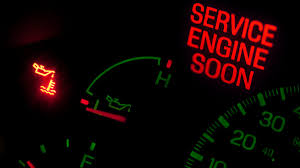
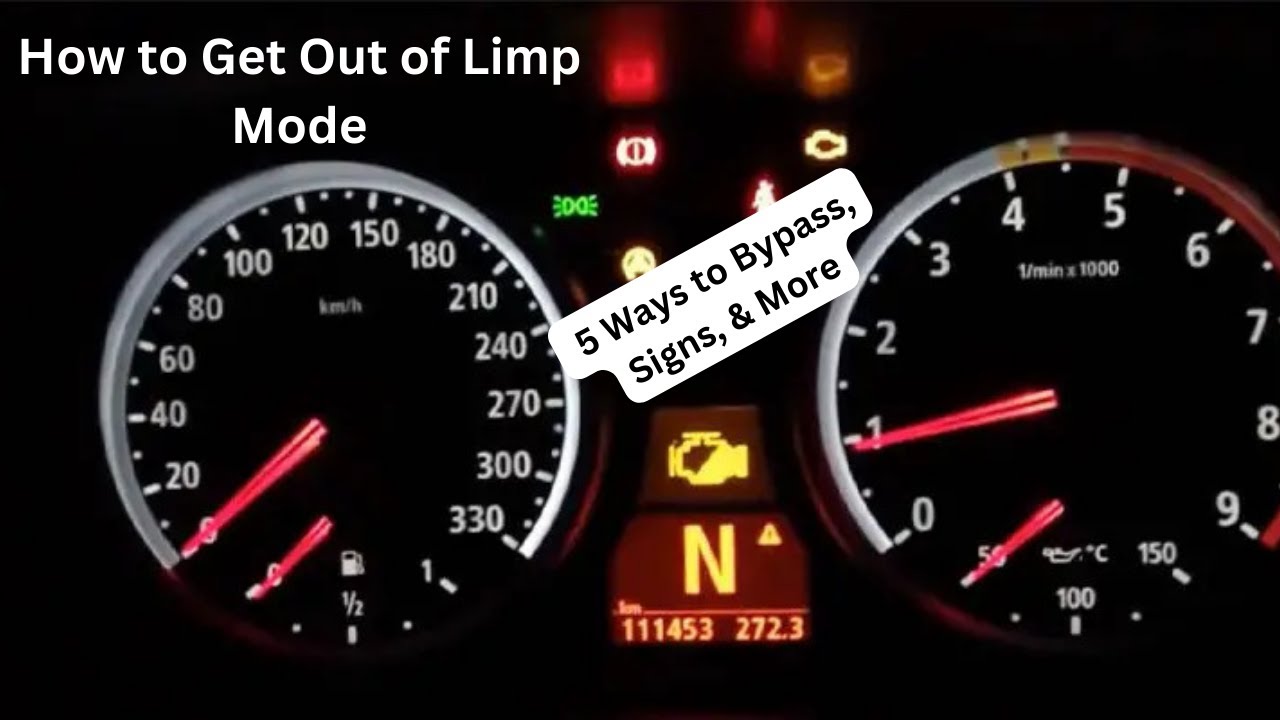
- Warning lights such as check engine, drivetrain malfunction, or reduced power
- Transmission may stay stuck in one gear or shift harshly
This feature is a good thing. It prevents more serious problems from occurring.
Identifying Symptoms of Limp Mode in BMWs
List of common indicators drivers may notice (e.g., warning lights, reduced speed). Explanation of how to differentiate limp mode from other car issues.

Drivers can notice a few common signs when their BMW enters limp mode. Look out for:
- Warning lights on the dashboard
- Reduced speed while driving
- Unusual engine noise
- Limited power during acceleration
These signals point to limp mode, but the key difference is how sudden and consistent the power loss is. A failing sensor or a boost leak usually causes an abrupt drop in power with a warning light. A transmission-side fault often adds rough or delayed shifting on top of the power loss. If the car feels weak but still revs freely in neutral, the problem is more likely transmission-side than engine-side.
What are the signs of limp mode?
Common signs of limp mode are warning lights, reduced engine power, and strange noises. They show that your BMW needs attention. Sometimes, these signs can be caused by other issues, so it’s good to stay alert.
How to Diagnose Limp Mode
Step-by-step process for checking error codes using an OBDII scanner. Importance of professional diagnostics and when to seek help.
Diagnosing limp mode is essential for car health. First, use an OBDII scanner to check for error codes. Here’s a quick guide:
- Connect the scanner to the OBD-II port under the dash.
- Turn on the ignition, but don’t start the engine.
- Follow the scanner prompts to read stored and pending codes.
- Write down every code, then clear them and test drive to see which return.
Sometimes, codes can be complicated. If you’re unsure, seeking help from professionals is wise. They can provide deeper diagnostics to keep your car safe and running well.
What are the typical error codes related to limp mode?
Common codes include P0299 (turbo underboost), P0087 (fuel rail pressure too low), P0234 (turbo overboost), P0300 (random misfire), and P0171 (system too lean). Each code points to a different system, so the code matters more than the symptom. A P0299 usually means a boost leak or charge pipe failure, while P0087 often points to a weak high pressure fuel pump.
OBD-II Codes That Trigger BMW Limp Mode
These are the codes most often behind BMW limp mode and what each one points to:
| Code | Meaning | Likely Cause |
|---|---|---|
| P0299 | Turbo underboost | Boost leak, cracked charge pipe, bad diverter valve |
| P0087 | Fuel rail pressure too low | Weak high pressure fuel pump, low-side delivery issue |
| P0234 | Turbo overboost | Stuck wastegate, faulty boost control solenoid |
| P0300 | Random misfire | Ignition coils, spark plugs, fuel delivery |
| P0171 | System too lean | Vacuum leak, MAF sensor, PCV failure |
Solutions for BMW Limp Mode
Immediate steps to take when limp mode is activated. Long-term solutions and repairs to prevent recurrence.
When limp mode kicks in, pull over safely and shut the engine off. Wait a few minutes, restart, and see if power returns. This ignition cycle reset clears the fault for now, but it will come back if the underlying problem is still there. If it returns immediately, stop driving and arrange a proper diagnosis.

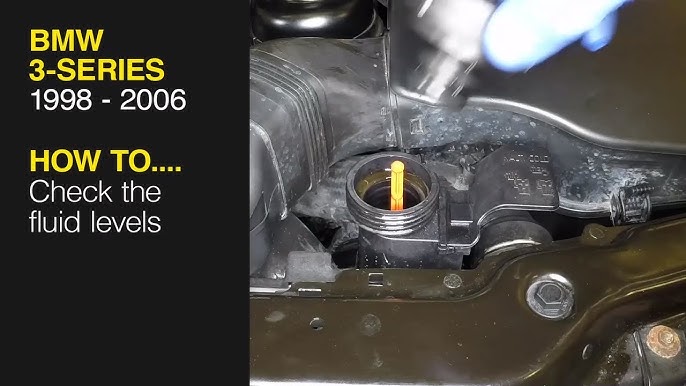
For long-term solutions, regular maintenance is key. Check your fluid levels and replace filters as needed. You can also invest in diagnostic tools if you’re feeling adventurous. Remember, keeping your BMW happy means less fuss on the road!
Repair Costs and When to Book a Mechanic
Costs vary by model and shop, but these are typical ranges BMW owners report for the most common limp mode fixes:
- Charge pipe replacement: roughly $200 to $500 parts and labor
- High pressure fuel pump: roughly $800 to $1,500
- MAF or O2 sensor: roughly $150 to $400
- Throttle body: roughly $400 to $900
- ZF8 mechatronics or transmission service: roughly $1,000 to $3,000+
If the code points to the transmission, the fuel system, or overheating, book a mechanic rather than continuing to drive. DIY is reasonable for sensors, charge pipes, and basic diagnostics.
| Immediate Actions | Long-term Solutions |
|---|---|
| Pull over and turn off the car | Maintain regular service checks |
| Restart after a few minutes | Check all fluid levels |
| Look for any warning lights | Consider a diagnostic tool |
Preventive Measures to Avoid Limp Mode
Regular maintenance tips for BMW owners (e.g., fluid checks, sensor cleaning). Recommendations for monitoring engine health and performance.
Keep your BMW out of limp mode with regular maintenance. Check oil and coolant levels often, replace filters on schedule, and clean the MAF sensor gently with MAF cleaner. Watch for warning lights and address small issues before they grow. On turbo models, inspect the charge pipe and couplers for cracks, and on higher-mileage cars, have the transmission fluid and mechatronics checked.

| Maintenance Tip | Frequency |
|---|---|
| Fluid Check | Monthly |
| Sensor Cleaning | Every 6 Months |
| Diagnostic Check | Annually |
When to Seek Professional Help
Signs that indicate it’s time to visit a mechanic. Benefits of professional services versus DIY fixes.
Sometimes, your car acts strangely. When it shows signs like strange noises or loss of power, it’s time to visit a mechanic. Don’t ignore these clues! Professional help can save you time and money in the long run. Here are some important signs:
- Warning lights on the dashboard
- Strange sounds or smells
- Unusual vibration or shaking
Choosing a mechanic means getting expert advice. They have special tools and knowledge to fix your vehicle properly. You may save money by avoiding DIY fixes that could lead to bigger problems.
When should I see a mechanic for BMW limp mode?
If you notice your BMW is in limp mode, check for warning lights and unusual performance. Getting help from a mechanic is smart to prevent damage.
Model-Specific Patterns (N20, B48, B58, ZF8)
Different BMW engines and transmissions fail in predictable ways. Knowing your platform narrows the diagnosis fast:
- N20: timing chain wear and charge pipe cracks are common limp mode triggers.
- B48: charge pipe and boost leak faults are the usual culprits.
- B58: high pressure fuel pump issues and P0087 codes show up frequently.
- ZF8 transmission: mechatronics faults, valve body wear, and old fluid can trigger transmission-side limp mode.
Real-life Experiences and Case Studies
Anecdotal evidence from BMW owners regarding limp mode encounters. Analysis of specific case studies to illustrate common issues and resolutions.
Many BMW owners have stories about limp mode. One driver was cruising when the car suddenly refused to go over 20 mph, joking it felt like a slow-motion vacation. Another saw a drivetrain malfunction warning that turned out to be a cracked charge pipe on an N20. A third had repeated P0087 codes traced to a failing high pressure fuel pump. The pattern is consistent: the symptom looks dramatic, but the fix is usually a known, specific failure point.
| Owner Experience | Issue | Resolution |
|---|---|---|
| Driver A | Lost power | Software update |
| Driver B | Warning light | Replaced sensor |
| Driver C | Limit on speed | Fixed loose wire |
These stories show how different problems can occur, but usually, there’s a simple fix lurking nearby. Remember, a friendly mechanic is often just a call away!
Can You Drive Safely in Limp Mode?
Limp mode is designed to get you off the road, not to keep you driving normally. You can usually drive a short distance at reduced speed to reach a safe spot or a nearby shop, but you should avoid highways, towing, and long trips. If the car is overheating, smoking, or the transmission is slipping badly, stop and have it towed. Continuing to drive can turn a cheap fix into an engine or transmission replacement.
Conclusion
In conclusion, if your BMW goes into limp mode, it means there’s a problem. You might notice reduced power and limited speed. It’s important to check for error codes and see a mechanic. Don’t ignore this issue. Understanding limp mode helps you act quickly. For more tips, keep reading and stay informed about your car’s health!
FAQs
What Are The Common Signs And Symptoms Of Bmw Limp Mode?
When your BMW enters limp mode, you’ll notice a sudden loss of power, a throttle that feels unresponsive, and warning lights such as check engine or drivetrain malfunction. The car may be capped around 3,000 rpm and refuse to accelerate. On transmission-side faults, you may also feel harsh or delayed shifting.
What Can Cause A Bmw To Enter Limp Mode, And How Can I Diagnose The Issue?
A BMW can enter limp mode for many reasons, including boost leaks, a failing high pressure fuel pump, sensor faults, overheating, or transmission issues. To diagnose it, plug an OBD-II scanner into the port and read the stored codes. Codes like P0299, P0087, P0234, and P0300 each point to a different system, so start with the code before replacing parts.
How Can I Safely Reset Limp Mode In My Bmw, And Should I Consult A Mechanic Afterward?
To reset limp mode, first try an ignition cycle: turn the car off, wait a few minutes, and restart. If that doesn’t work, a scan tool can clear the codes. Disconnecting the battery for 15 to 30 minutes can also reset the ECU, but be aware this may wipe learned adaptations and radio presets, and on some models it can trigger additional warnings. If limp mode returns, see a mechanic.
What Are The Potential Risks Of Driving A Bmw While It Is In Limp Mode?
Driving in limp mode is meant only to get you to safety or a shop. Power is limited, so merging and highway driving are risky, and continuing to drive can turn a small fault into an expensive repair. If the car is overheating or the transmission is slipping, stop driving and have it towed instead.
Are There Specific Bmw Models More Prone To Experiencing Limp Mode Issues, And What Preventative Measures Can Be Taken?
Certain BMW engines and transmissions have well-known limp mode patterns. The N20 is known for timing chain and charge pipe issues, the B48 commonly suffers charge pipe and boost leak faults, the B58 can develop high pressure fuel pump problems, and the ZF8 transmission may trigger limp mode through mechatronics or fluid issues. Preventative maintenance, prompt code reading, and fixing small faults early are the best ways to avoid repeat limp mode.
Related posts:
 ZF 8HP Transmission Problems: Variants, Costs & Fixes
 Which BMW Has 3 Rows? X7, iX, and X5 Explained
 BMW Stalls When Stopping: Causes, Codes, Costs & Fixes
 BMW Garage Door Opener: HomeLink Programming & Fixes
 What BMW Has the B58 Engine? Full Model List, Years, and Outputs
 BMW Restraint System Malfunction: Causes, Codes & Fixes
 How To Tell If BMW Has Adaptive Suspension: VIN, iDrive & Visual Checks
 How To Decode BMW VIN: Step-by-Step Guide With Examples
 How To Check BMW Transmission Fluid Level (Dipstick & Sealed)
 BMW Parking Assistance Package: Tiers, Models, Cost & Reliability
 Bmw Leaking Coolant But Not Overheating: Causes & Fixes
 F150 Jump Seat Console Organizer: Fitment Chart & Top Picks