
BMW Restraint System Malfunction: Causes, Codes & Fixes
Imagine driving your BMW, enjoying the smooth ride, when suddenly, a warning light appears. It might say there’s a problem with the restraint system. What does this mean? Is it serious? These questions can leave any driver feeling anxious.
The restraint system in a BMW plays a key role in your safety. It helps keep you protected during an accident. If it malfunctions, your safety could be at risk. That’s why understanding these issues is so important.
Did you know that each year, many BMW owners experience this problem? Some may not realize how serious a restraint system malfunction can be. It can affect how airbags or seat belts work. With the right knowledge, you can be more prepared.
This article will explore why these malfunctions happen. We will also discuss what to do if you face this issue. Stay tuned to learn more about keeping your BMW safe and sound!
Restraint System Malfunction in BMW

Did you know that a simple seatbelt issue can cause big problems in a BMW? A **restraint system malfunction** often shows up with warning lights on the dashboard. This could mean your airbags or seatbelts are not working properly. Ignoring these signals can be dangerous. Regular maintenance and quick fixes keep you and your passengers safe. Stay alert to signs of trouble and keep your BMW in top shape for peace of mind on the road!
What is a Restraint System in BMW Vehicles?
Definition and purpose of the restraint system. Components involved in the BMW restraint system.
A restraint system in BMW vehicles helps keep occupants safe during a crash. It includes various parts that work together. The main goal is to prevent movement by holding passengers in place. This system is essential for protecting everyone inside the car.
- Seatbelts: They keep passengers secure in their seats.
- Airbags: These inflate during a crash to cushion impacts.
- Crash Sensors: They detect accidents and activate airbags.
BMW designs these components to work effectively together, ensuring maximum safety on the road.

What are the key parts of a BMW restraint system?
The key parts of a BMW restraint system include seatbelts, airbags, and crash sensors. These parts cooperate to keep everyone safe during an accident.
Common Causes of Restraint System Malfunction
Most restraint system warnings trace back to a handful of electrical and sensor faults. The list below is ranked by how often each one shows up on BMWs in the real world, from the cheap-and-common seat belt buckle switch to water damage that quietly corrodes the airbag module.

Different issues can cause the restraint system to stop working. Some common ones include:
- Seat belt buckle switch: The most frequent culprit. The switch that tells the car a belt is latched fails or gets dirty, triggering a driver or passenger restraint warning.
- Occupancy sensor mat: The passenger seat mat that detects a person (and their weight) cracks or loses calibration, disabling the passenger airbag and lighting the warning.
- Under-seat connectors: Loose, corroded, or disturbed connectors under the front seats interrupt the SRS circuit, especially after seat removal or cleaning.
- Clock spring: The ribbon cable in the steering wheel wears out from years of turning, breaking the driver airbag circuit.
- Low battery voltage: A weak or dying battery causes voltage spikes that the SRS module reads as a fault.
- Water leaks: Sunroof drains, door seals, or trunk leaks let moisture reach the airbag control module or wiring, causing corrosion and intermittent faults.
What are the signs of a malfunctioning restraint system?
Signs often include warning lights on the dashboard. These lights alert the driver to check the system. It is important to pay attention to these signs. Ignoring them can lead to serious safety issues.
Symptoms of a Restraint System Malfunction

Warning lights on the dashboard. Unusual sounds or messages during operation. Changes in airbag performance.
Spotting big problems early is key, especially in a BMW’s restraint system. If a warning light pops up on your dashboard, don’t ignore it—think of it as your car saying, “Hey, I need attention!” You might also hear odd sounds or receive strange messages that make you scratch your head. And keep an eye on airbag performance; if they don’t deploy when they should, it’s like expecting popcorn but getting just kernels. Let’s take a look at common signs below:
| Symptom | Description |
|---|---|
| Warning Lights | Look for a warning light that resembles a person with a seatbelt. |
| Sounds & Messages | Listen for unusual noises or bizarre messages. |
| Airbag Issues | Check if airbags deploy during tests—if not, that’s a red flag! |
Diagnosing Restraint System Malfunctions
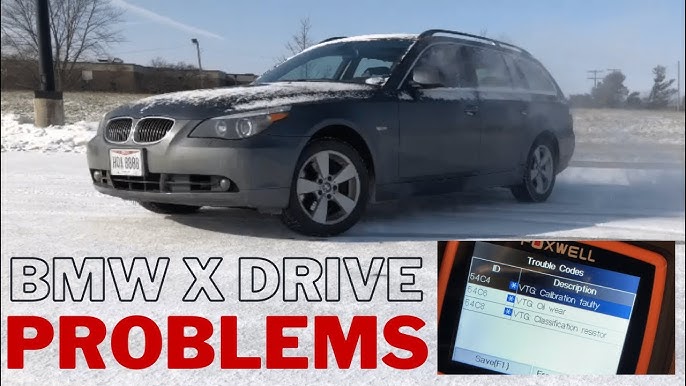
Generic OBD-II scanners usually cannot read BMW SRS codes because the restraint system lives on a proprietary module that generic tools do not address. You need a BMW-capable tool such as ISTA (the dealer software), BimmerLink, or a Foxwell scanner. Start with a full fault-code scan, then inspect the wiring and connectors before replacing any part.
Finding problems with the restraint system in a BMW is easier with the right tools. Diagnostic tools and software help read error codes. Some common codes show issues with airbags or seatbelts. Start by checking these areas:
- Scan all modules and record every SRS fault code before clearing anything.
- Inspect under-seat connectors for looseness, corrosion, or bent pins.
- Check the battery voltage — a weak battery can set false SRS codes.
- Look for visible wire damage, chafing, or moisture near the airbag module.
- Test the buckle switch and occupancy mat with a multimeter before buying parts.
This process helps locate the problem, keeping everyone safe on the road.
Reading BMW-Specific Fault Codes (ISTA, BimmerLink, Foxwell)
BMW SRS codes are not standard OBD-II codes. Generic scanners often show nothing or a meaningless P-code because they cannot talk to the airbag module. ISTA is the factory software and gives the most detail, including test plans. BimmerLink (with an OBD adapter) and Foxwell scanners are popular enthusiast alternatives that read and clear BMW SRS codes. Whichever tool you use, write down the code and the module it came from before clearing anything.
What are common BMW SRS fault codes?

Some common error codes for restraint systems include:
- 93B2: Seat belt buckle switch, driver side — open or implausible signal.
- 93C2: Seat belt buckle switch, passenger side — open or implausible signal.
- 93B8 / 93C8: Occupancy sensor mat faults on the passenger seat.
- 93A8 / 93A9: Driver or passenger airbag circuit resistance out of range.
- 93D2: Clock spring or driver airbag circuit fault.
- 93E0: Airbag control module internal fault or coding error.
Each code points to a specific circuit, so always test the wiring and component before replacing parts. Clearing a code without fixing the cause will just bring the warning back.
Repair Options for Restraint System Issues
DIY versus professional repair considerations. Typical costs involved in repairs. Importance of using genuine BMW parts.
Fixing restraint system issues can be tricky, and the right choice depends on the fault. A buckle switch or connector clean-up is a reasonable DIY job; an occupancy mat or clock spring replacement is not. As a rough guide, a DIY buckle switch or connector repair runs $30–$120 in parts, an independent BMW shop typically charges $150–$600 depending on the part, and a dealer can run $300–$1,200 or more. Always use genuine BMW or OEM-equivalent parts — aftermarket SRS components can fail to communicate with the module and leave the warning on.
What should I consider before choosing DIY or professional repair?
Consider your experience and the complexity of the issue. If the problem seems huge, it’s best to call a professional.
Points to think about:
- Cost differences: DIY saves labor but risks misdiagnosis.
- Safety concerns: SRS work involves pyrotechnic components — never probe airbag circuits with a powered tool.
- Access to genuine parts: OEM or BMW parts keep the system communicating correctly.
- Tooling: You need a BMW-capable scanner to clear codes after the repair.
Preventive Measures to Avoid Malfunctions

Regular maintenance tips for the restraint system. Importance of software updates and recalls. How to recognize early signs of issues.
Taking care of your car is important to avoid problems. Regular maintenance helps keep the restraint system working well. Check the system at least once a year, and keep the battery healthy — low voltage is a common trigger for false SRS codes. Stay updated with software updates and recall notices from BMW, since some restraint faults are covered by service bulletins or recalls. Watch for early signs like warning lights, strange sounds, or a passenger airbag light that stays on. Catching problems early can save you from bigger issues later.
What are some signs of restraint system problems?
Signs include warning lights on the dashboard, unusual noises, or problems with seat belts.
- Get your car’s system checked regularly.
- Stay informed about any recalls.
- Watch for early warning signs.
Conclusion
A restraint system malfunction in a BMW is not something to ignore. It can disable your airbags or seat belt pretensioners, and in most regions a car with an active SRS warning will fail safety inspection. If you see the warning light, scan the codes with a BMW-capable tool, test the likely circuit, and repair it before driving further. Regular maintenance, a healthy battery, and prompt attention to recall notices will keep you and your passengers safe on the road.
FAQs
u003cstrongu003eWhat Are The Common Symptoms Of A Restraint System Malfunction In A BMW vehicle? u003c/strongu003e
If the restraint system in your BMW isn’t working right, you might see some warning lights on the dashboard. You may also hear beeping sounds or notices saying “airbag problem.” Sometimes, the airbags might not inflate during an accident. If you notice any of these things, it’s important to tell an adult to check the car. Safety is always the top priority!
u003cstrongu003eHow Can A Driver Diagnose An Issue With The Airbag Or Seatbelt System In Their BMW?u003c/strongu003e
To check the airbag or seatbelt system in your BMW, start by looking for warning lights on the dashboard. If you see an airbag or seatbelt light, there might be a problem. You can also check if the seatbelts move smoothly and click into place properly. It’s a good idea to read the car’s manual for help. If something seems off, have a mechanic look at it for safety.
u003cstrongu003eWhat Steps Should Be Taken If The u0022Airbag Warning Lightu0022 Illuminates On A BMW dashboard?u003c/strongu003e
If the airbag warning light comes on in your BMW, you should stop the car in a safe place. Then, check your owner’s manual for advice. It’s important not to ignore the light because it means the airbags might not work in an accident. Next, take your car to a mechanic to check the issue. They can help fix it and make sure you’re safe.
u003cstrongu003eWhat Are The Potential Causes Of A Restraint System Malfunction In BMW models, And How Can They Be Prevented?u003c/strongu003e
A restraint system malfunction in BMW cars can happen for a few reasons. Sometimes, the sensors might get dirty or damaged. Other times, wires can get loose or broken. To prevent this, we should regularly check our car and keep it clean. Taking the car to a mechanic for proper checks can also help a lot.
u003cstrongu003eHow Does A Malfunctioning Restraint System Impact The Safety Features Of A BMW In The Event Of An Accident?u003c/strongu003e
If the restraint system in a BMW stops working, it can be dangerous. This system includes seatbelts and airbags. If these parts don’t work, you might not be safe during a crash. Seatbelts keep you in your seat, and airbags help protect you from hitting hard parts. Without them, you could get hurt more easily.
Related posts:
 ZF 8HP Transmission Problems: Variants, Costs & Fixes
 Which BMW Has 3 Rows? X7, iX, and X5 Explained
 BMW Stalls When Stopping: Causes, Codes, Costs & Fixes
 BMW Garage Door Opener: HomeLink Programming & Fixes
 What BMW Has the B58 Engine? Full Model List, Years, and Outputs
 My BMW App Not Working? Symptom Checker & Quick Fixes
 How To Decode BMW VIN: Step-by-Step Guide With Examples
 How To Check BMW Transmission Fluid Level (Dipstick & Sealed)
 How To Connect To BMW WiFi: Step-By-Step Guide (2025)
 Bmw Leaking Coolant But Not Overheating: Causes & Fixes
 BMW Limp Mode: Causes, OBD-II Codes & Fixes Explained
 F150 Jump Seat Console Organizer: Fitment Chart & Top Picks