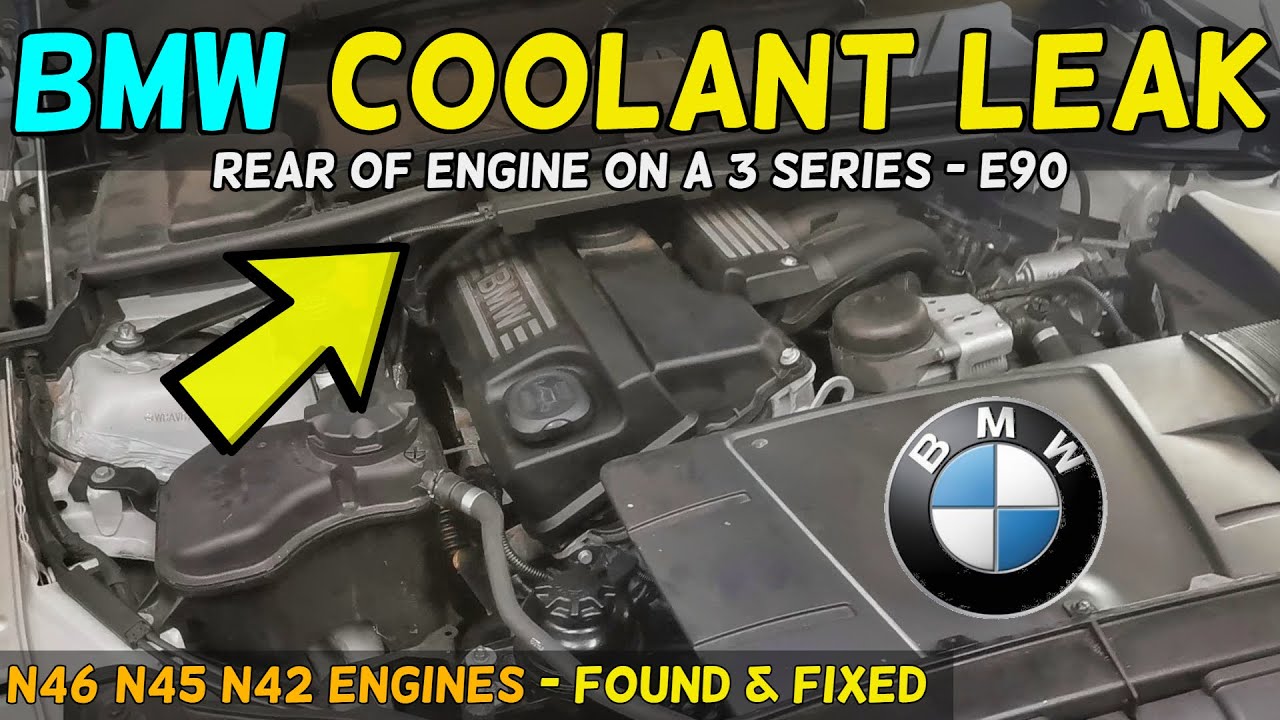
Bmw Leaking Coolant But Not Overheating: Causes & Fixes
A BMW leaking coolant without overheating can confuse many drivers. You might wonder why your car loses fluid but stays cool. The leak could come from hoses, the water pump, or even the radiator. If the coolant level drops, it can lead to bigger issues later. It’s like a small leak in a bucket; it doesn’t fill up the bucket, but it can lead to an empty one. Always check for signs and fix leaks promptly.
Have you noticed that your BMW is leaking coolant but not overheating? This situation can be confusing and worrisome for any driver. Imagine being on a road trip, enjoying the drive, when suddenly you see a puddle beneath your car. What could be wrong?
Many BMW owners experience this issue at some point. It’s a common problem that can happen without any warning. You might wonder, “Is my car in danger?” or “How serious could this be?” This article will help you understand why your BMW leaks coolant yet remains cool under pressure.
Understanding Coolant Leakage in BMWs

Explanation of what coolant leakage is. Types of coolant leaks: external vs. internal.
Coolant is essential for keeping your engine from overheating. When there’s a leak, it can cause problems. There are two main types of leaks: external and internal. External leaks happen outside the engine, like from hoses or connections. Internal leaks occur inside the engine, possibly mixing coolant with oil. Understanding these can help detect issues quickly.
What should I do if my BMW has a coolant leak?
If you notice a coolant leak, check the level often and look for puddles under your car. It’s crucial to fix it soon to prevent engine damage.
Common Causes of Coolant Leaks in BMWs
Why Your BMW Leaks Coolant Without Overheating
BMW cooling systems are designed to handle small leaks for a while. The expansion tank holds extra coolant, and the system can still circulate enough fluid to keep the engine cool. This is why you might see a puddle but no overheating. However, this doesn’t mean the leak is harmless. Over time, even a small leak can lead to bigger problems.
How the Cooling System Masks Small Leaks
The cooling system has a reserve of coolant in the expansion tank. If the leak is slow, the tank level drops gradually, but the engine still gets enough coolant to stay cool. Sensors may not trigger a warning until the level is critically low. This is why regular checks are important.

Examining radiator issues and hose connections. The role of water pumps and gaskets in leaks.
Coolant leaks can make any BMW owner scratch their head. First up, check the radiator. Sometimes, it develops cracks or rust over time. Next, examine the hose connections. A loose or damaged hose can lead to leaks, spilling coolant like a spilled milkshake. Don’t forget about the water pump and gaskets. If they wear out, they can create sneaky leaks. A quick check can save you from turning your car into a driveway decoration.
| Common Leak Sources | Possible Signs |
|---|---|
| Radiator | Cracks or rust |
| Hose Connections | Loose or damaged hoses |
| Water Pump | Worn out or leaking |
| Gaskets | Sneaky leaks |
Symptoms of a Coolant Leak

Identifying visible signs of leakage under the vehicle. Discussing warning lights and dashboard indicators.
Spotting a coolant leak isn’t like hunting for treasure; it’s usually easier! Look under your vehicle for bright, colorful puddles. That’s a sign of trouble. Next, keep an eye on your dashboard. If any warning lights pop up, it’s not a party invitation! Those lights can signal that something isn’t quite right. Think of them as your car’s way of saying “Help me!” A quick check can save you from a pricey repair later.
| Warning Light | Meaning |
|---|---|
| Coolant Temperature | Check engine coolant level! |
| Low Fluid | Your coolant might be leaking. |
Why Is There No Overheating Despite a Coolant Leak?
Exploring the cooling system’s efficiency and its limits. Factors that prevent overheating: fluid levels and sensor functions.
7 Most Common Causes (Ranked by Likelihood)
Based on real-world BMW failure patterns, here are the most common causes of coolant leaks that don’t immediately cause overheating:
- Expansion Tank and Radiator Cap Cracks: The plastic expansion tank and radiator cap are prone to cracking, especially on older models. This is often the first place to check.
- Water Pump and Thermostat Housing Failure: The water pump and thermostat housing are made of plastic and can fail prematurely. This is common on N20, N54, N55, and B58 engines.
- Coolant Hoses and Plastic Fittings: Hoses and plastic fittings can become brittle and leak over time.
- Heater Core Leaks: A leaking heater core can cause coolant to drip inside the cabin or under the car.
- Head Gasket Leaks: A head gasket leak can be internal or external. It’s less common but more serious.
- Radiator Leaks: The radiator can develop cracks or rust, leading to leaks.
- Coolant Reservoir Leaks: The coolant reservoir itself can crack or develop leaks.
Coolant leaks can make you worry, but they don’t always lead to overheating. This happens because of how the cooling system works. It keeps things cool even with less fluid. Here are a few reasons why:
- Fluid Levels: If there’s enough coolant still in the system, it can do its job.
- Sensor Functions: Sensors alert the driver before overheating occurs.
- Reserve Capacity: The expansion tank holds extra coolant that can cover small losses for a while.
- Short Trips: If you only drive short distances, the engine may not get hot enough to overheat.
So, even with a leak, the car can stay cool enough. Always check your fluid levels and sensors to keep your ride safe!
Why does the coolant leak not cause overheating?
The cooling system remains effective because it can still circulate enough fluid to manage heat. Regular checks help prevent serious issues. Staying proactive is key to enjoying a reliable driving experience.
Diagnostic Steps for BMW Owners

DIY inspection methods for detecting leaks. When to seek professional help for diagnosis.
How to Diagnose the Leak Yourself
Diagnosing a coolant leak can be done with a few simple steps. Start by checking the coolant level when the engine is cold. Look for puddles under the car and inspect hoses, the radiator, and the water pump for wet spots. Use a flashlight to see hidden areas. If you find a leak, wipe the area clean and see if it returns.
Pressure Test and UV Dye Method
A pressure test involves pressurizing the cooling system to find leaks. A UV dye test uses a special dye that glows under UV light to pinpoint the leak. Both methods are effective and can be done by a professional or with a DIY kit.
Combustion Gas Test for Head Gasket
If you suspect a head gasket leak, a combustion gas test can confirm it. This test checks for exhaust gases in the coolant, which indicates a head gasket failure. It’s a simple test that can save you from misdiagnosing the issue.
Checking for leaks in your BMW can be simple. Start by looking under the car for puddles. You can also inspect the hoses and radiator for wet spots. Use a flashlight to see hidden areas. If you find a leak, wipe the area clean and see if it returns. For a more precise diagnosis, a pressure test or UV dye test can pinpoint the source. Remember, if the problem seems serious, it’s time for professional help. They have the tools and knowledge to fix issues safely.
How can I tell if my BMW has a coolant leak?
Look for puddles under your car and check the hoses and radiator for wet spots. If the coolant level drops regularly, you may leak.
Signs you should seek professional help:
- Constantly dropping coolant levels
- Sweet smell from the engine area
- Visible damage or corrosion on hoses
Possible Consequences of Ignoring a Coolant Leak
Potential longterm engine damage and repair costs. Impact on the performance and reliability of the vehicle.
Ignoring a coolant leak can cause big trouble for your engine. First, a tiny leak can lead to serious long-term damage. A worn engine might sound like a cat stuck in a tree—yikes! Repair costs can soar, often running into thousands of dollars. Plus, your car’s performance may drop. It’s like running a race on a flat tire. Your ride simply won’t be as reliable. Here’s a quick look at what happens:
| Issue | Possible Consequences |
|---|---|
| Long-term engine damage | Expensive repairs, loss of engine life |
| Performance drop | Poor acceleration and handling |
| Reliability issues | Frequent breakdowns |
Repair Options for Coolant Leaks
Temporary fixes versus permanent solutions. Cost considerations and parts availability.
There are different ways to fix coolant leaks. You can choose temporary fixes or permanent solutions. Temporary fixes are quick but may fail later. Permanent solutions last longer but often cost more. Keep in mind the cost of parts and their availability. Sometimes, special parts can take time to get. Here are key points to think about:
- Temporary fixes work quickly but may not last.
- Permanent solutions typically cost more but provide lasting relief.
- Check if parts are easy to find and affordable.
Choose wisely to save money and keep your car safe!

What are temporary fixes for coolant leaks?
Temporary fixes include using sealants or tape to patch small leaks. They can help you get by until a proper repair. Always plan for a permanent fix soon!
What is the cost of permanent solutions?
The cost for permanent repairs varies. It can range from $100 to over $1,000 based on parts and labor. Understand your options before deciding.
Repair Costs by Component
Repair costs vary depending on the component and labor. Here are some typical ranges:
| Component | Cost Range |
|---|---|
| Expansion Tank | $100 – $300 |
| Water Pump | $400 – $800 |
| Thermostat Housing | $200 – $500 |
| Coolant Hoses | $100 – $300 |
| Heater Core | $800 – $1,500 |
| Head Gasket | $1,500 – $3,000+ |
These are estimates and can vary based on your location and the specific BMW model.
Prevention Tips to Avoid Future Coolant Leaks
Regular maintenance practices for BMW vehicles. Importance of using high-quality coolant fluids.
To keep your BMW happy and leak-free, regular check-ups are key. Make it a habit to peek under the hood and check for any leaks or wear. Also, using high-quality coolant fluids is super important. Cheap stuff can lead to big problems, just like putting soda in your gas tank – it won’t end well! Here’s a quick table of maintenance tips:
| Tip | Description |
|---|---|
| Check Coolant Levels | Always ensure there’s enough coolant in the tank. |
| Regular Flushing | Flush out old coolant to avoid buildup. |
| Inspect Hoses | Look for cracks or wear in coolant hoses. |
Following these steps can keep your BMW running smoothly and prevent surprise puddles on the garage floor!
When to Consult a Professional Mechanic
Signs that indicate a need for expert intervention. Navigating warranty and service options for BMW owners.
Some signs tell you it’s time to call a pro. If your BMW leaks coolant but isn’t overheating, check for puddles under your car or a sweet smell. These could mean trouble is brewing. Also, if the dashboard lights up like a Christmas tree, that’s a red flag, too! And don’t forget to look into your warranty. Many BMW models offer service options that can save you cash. Remember, a little help now can save you a lot later.
| Signs | Action Needed |
|---|---|
| Coolant leak | Consult mechanic |
| Warning lights | Check with dealership |
| Unusual noises | Get it checked |
Conclusion
In summary, if your BMW is leaking coolant but not overheating, it’s important to act quickly. Check for leaks and inspect your radiator. Don’t ignore any signs of damage. You can fix small issues yourself or seek professional help for serious problems. For more information, consider reading up on coolant systems and maintenance tips. Keeping your car in good shape ensures it runs smoothly!
FAQs
Here Are Five Related Questions On The Topic Of A Bmw Leaking Coolant But Not Overheating:
If your BMW is leaking coolant but not overheating, it means the engine is not getting too hot. You should check the coolant level and look for any puddles under the car. Coolant helps keep your engine cool and working well. It’s important to fix the leak, so your car stays safe to drive. If you’re not sure how, ask a mechanic for help.
Sure! Please provide me with the question you would like me to answer.
What Are Some Common Causes Of Coolant Leaks In Bmw Vehicles That Do Not Result In Overheating?
Coolant leaks in BMW cars can happen for several reasons. Sometimes, there might be a tiny hole in a hose. Other times, the radiator can have a crack. You might also see leaks at the water pump or the coolant reservoir. If the leak is small, your car might not overheat right away.
How Can I Diagnose The Source Of A Coolant Leak In My Bmw If The Engine Temperature Remains Normal?
To find a coolant leak in your BMW, start by looking under the car for puddles. Next, check the hoses and connections for any wet spots or cracks. You can also look around the radiator for signs of leaking. If you see any coolant on the ground, that’s a good clue. Finally, don’t forget to check the coolant reservoir for any cracks or damage.
Are There Specific Areas In A BMW That Are Prone To Coolant Leaks, Even When The Vehicle Isn’T Overheating?
Yes, some parts of a BMW can leak coolant even if the car isn’t hot. You should check the hoses, especially where they connect. The coolant reservoir can also have tiny cracks. The water pump might leak, too. Always look for puddles under the car!
What Steps Should I Take To Prevent Future Coolant Leaks In My Bmw While Ensuring The Engine Stays Within A Safe Temperature Range?
To prevent coolant leaks in your BMW, you should check the hoses and connections regularly for cracks or damage. You can also look at the radiator for signs of leaks. Make sure to keep the coolant level full and change it when needed. Additionally, monitor the engine temperature gauge while driving to keep it safe. If it gets too hot, pull over and let it cool down.
What Are The Potential Risks Of Driving A Bmw With A Coolant Leak That Isn’T Causing Overheating?
Driving a BMW with a coolant leak can still be risky. Even if it doesn’t overheat now, the engine could get damaged later. You might also lose more coolant, making it harder to fix. If the leak gets worse, it could cause problems on the road, like stopping suddenly. Always check your car to stay safe.
Related posts:
 ZF 8HP Transmission Problems: Variants, Costs & Fixes
 Which BMW Has 3 Rows? X7, iX, and X5 Explained
 BMW Stalls When Stopping: Causes, Codes, Costs & Fixes
 BMW Garage Door Opener: HomeLink Programming & Fixes
 What BMW Has the B58 Engine? Full Model List, Years, and Outputs
 BMW Restraint System Malfunction: Causes, Codes & Fixes
 How To Tell If BMW Has Adaptive Suspension: VIN, iDrive & Visual Checks
 How To Decode BMW VIN: Step-by-Step Guide With Examples
 How To Check BMW Transmission Fluid Level (Dipstick & Sealed)
 BMW Parking Assistance Package: Tiers, Models, Cost & Reliability
 BMW Limp Mode: Causes, OBD-II Codes & Fixes Explained
 F150 Jump Seat Console Organizer: Fitment Chart & Top Picks