BMW Spark Plug Replacement Cost (2026): Prices by Engine Code
Have you ever wondered how much it costs to replace the spark plugs in your BMW? Many car owners face this question. Spark plugs play a crucial role in your car’s engine. They help ensure your BMW runs smoothly and efficiently. When they wear out, it can affect performance. Not replacing them can lead to bigger problems down the road.
Imagine starting your car and hearing a strange noise. Or picture your BMW struggling to start on a chilly morning. These signs can often point to faulty spark plugs. Taking care of this simple issue might save you money in the long run.
But what does it really cost to replace those spark plugs? The price can vary based on your BMW model and where you live. Let’s dive deeper into the BMW spark plug replacement cost. You might be surprised by what you find!
BMW Spark Plug Replacement Cost

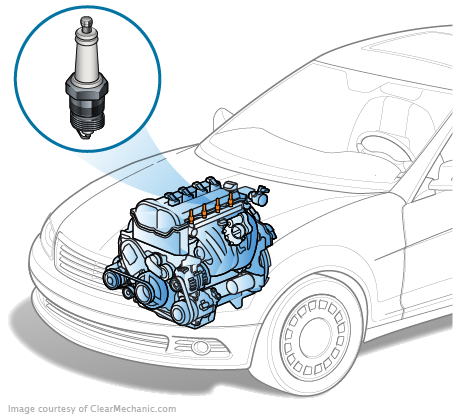
For most BMWs, a spark plug replacement runs between $200 and $600 depending on the engine, the shop, and whether coils get replaced at the same time. A four-cylinder B48 in a 330i is on the low end, while a V8 N63 or S63 with hard-to-reach plugs sits at the top. The two biggest variables are how many cylinders you have and how much of the intake or engine cover has to come off to reach them. Regular replacement keeps idle smooth and protects your ignition coils from working overtime.
Understanding Spark Plugs
Definition and function of spark plugs in BMW engines. Different types of spark plugs used in BMW vehicles.
Think of spark plugs as the tiny cheerleaders of BMW engines. They work hard by igniting the fuel-air mixture, helping your car roar to life. Without them, you’d just have a fancy paperweight! BMW uses different spark plugs based on engine design and performance needs. From platinum to iridium, each type has unique features. Here’s a quick look:
| Type | Material | Durability |
|---|---|---|
| Standard | Copper | Shorter life |
| Platinum | Platinum | Longer life |
| Iridium | Iridium | Very long life |
So, keeping your spark plugs in top shape is like giving your car a tidy haircut—no one wants a rough-looking ride!
Signs That Your BMW Needs Spark Plug Replacement

Common symptoms indicating spark plug issues. The importance of regular maintenance checks.
Your BMW usually tells you when the plugs are tired. Common signs include a rough idle, a stumble under acceleration, longer cranking before it fires, a noticeable drop in fuel economy, and a check engine light with misfire codes such as P0300 through P0308. On turbocharged engines like the N54 or N55, worn plugs can also cause a misfire only under boost, which is easy to miss in normal driving. Catching these early prevents unburned fuel from cooking your catalytic converters.
Common Symptoms Possible Impact Difficulty starting Weak spark or fuel delivery issues Rough idling Uneven combustion Poor acceleration Reduced engine performance
Ignoring these signs might lead to bigger problems down the road. Regular checks help you catch issues early and save you money. Remember, a happy BMW makes for a happier driver!
Factors Affecting BMW Spark Plug Replacement Cost
Types of spark plugs and their price variations. Labor costs associated with professional replacement.
Several factors drive the final price. The engine code matters most, because a transverse or tightly packed bay takes longer to open up than an inline six. Plug type matters too: BMW specifies iridium or platinum plugs on most modern engines, and those cost more than basic copper. Labor rates vary widely by region, and a dealer will charge more per hour than an independent BMW specialist. If coils, seals, or a valve cover gasket get replaced at the same time, expect the total to climb.

Another important consideration is the labor cost for professional replacement. Mechanics charge different rates for their services. Complex BMW engines may take longer to work on, which can raise the total cost.
Cost by Engine Code
BMW engine codes tell you almost everything about what a plug job will cost. Four-cylinder engines are quick, inline sixes are moderate, and V8s take the longest because of extra cylinders and tight packaging.
N20/N26, N54, N55
The N20 and N26 four-cylinders use four plugs and are among the cheapest to service. The N54 and N55 inline sixes use six plugs; the N54 in particular benefits from shorter intervals on tuned cars, and the rear cylinders take a little more patience to reach.
B46/B48, B58, S55, S58
The B46 and B48 four-cylinders are straightforward. The B58 inline six is common in the 340i, 540i, and X3 M40i and sits in the middle of the range. The S55 and S58 in M cars use six plugs but often call for a specific heat range and shorter intervals, especially on tuned examples.
N63/S63 and V8 considerations
The N63 and S63 V8s use eight plugs, and access is tighter, so labor climbs. On these engines it is common to replace coils at the same time since the work overlaps, which raises the total but avoids paying for the same disassembly twice.
What affects the cost of BMW spark plug replacement?
Factors include the spark plug type and labor costs for installation.
- Engine code and cylinder count: a four-cylinder is quicker to service than a V8
- Plug type: iridium and platinum cost more than copper
- Labor rate: dealer hourly rates run higher than independent shops
- Extra parts: coils, seals, and gaskets add to the bill
- Access: some engines require removing the intake or engine cover
- Mechanic labor rates vary
- Time taken for replacement can increase cost
DIY vs. Professional Replacement: Pros and Cons
Benefits of replacing spark plugs at home. Risks and challenges of DIY spark plug replacement.
Replacing spark plugs yourself is one of the more approachable BMW jobs, and it can cut the bill roughly in half. On an inline six like the N55 or B58, the plugs sit under the engine cover and are reachable with basic hand tools. Benefits of DIY spark plug replacement include:
- Lower costs compared to visiting a mechanic.
- Learning new skills for car maintenance.
- Feeling proud after completing the task.
However, DIY also has risks. It can be tricky and may lead to mistakes. Issues can arise from:
- Cross-threading or over-torquing a plug and damaging the cylinder head
- Using the wrong gap or heat range for a tuned engine
- Forgetting to reconnect a coil, which causes an immediate misfire
- Dropping a socket or debris into the spark plug well
Why consider professional help?
Sometimes, it’s best to let the experts handle it. Professionals ensure proper installation, reduce risks, and save you time. They can also spot other issues during the replacement.
Cost Breakdown for BMW Spark Plug Replacement

Detailed analysis of parts and labor costs. Comparison of prices among different BMW models.
Replacing spark plugs in a BMW can be like buying a fancy coffee—an eye-opener for your wallet! The cost varies, but here’s a simple breakdown:
| BMW Model | Parts Cost | Labor Cost |
|---|---|---|
| 3 Series | $90-$120 | $100-$150 |
| X5 | $100-$140 | $120-$160 |
| 5 Series | $95-$130 | $110-$155 |
Parts usually run $10 to $25 per plug, so a set of six lands around $60 to $150 depending on brand and engine. Labor is typically quoted at 1.5 to 3 hours of book time, which at $100 to $200 per hour works out to $150 to $600. A four-cylinder B48 might total $250 to $350, an inline six N55 or B58 around $300 to $500, and a V8 N63 or S63 can reach $600 or more once the extra disassembly is counted.
Post-Replacement Misfire and Rough Idle
If the car misfires or idles rough right after a plug change, do not panic. Check that every coil connector is fully seated, confirm the plugs are the correct part number and gap, and verify the torque. A single misfire code pointing to one cylinder usually means a loose coil or a damaged boot rather than a bad plug. If the misfire moves when you swap the coil to another cylinder, the coil is the culprit. Clear the codes and test drive before assuming a bigger problem.
Torque Specs and Common Mistakes
Always torque spark plugs to the spec for your engine, typically in the range of 18 to 23 ft-lbs for many BMW engines, and confirm the exact figure for your engine code before starting. Use a torque wrench, not feel. The most common mistakes are over-tightening and stripping the aluminum head, cross-threading, using the wrong gap, and forgetting to reconnect a coil connector. Apply a small amount of dielectric grease to the coil boot, not the threads, and never use anti-seize on plugs that already have a coated thread.
Should You Replace Ignition Coils Too?
Coils and plugs wear together, and a tired coil can make a new plug misfire. If your BMW is past 60,000 miles, has a history of misfire codes, or is tuned, replacing coils alongside the plugs is usually worth it. Coils typically run $30 to $80 each, so a set of six adds roughly $180 to $480 in parts, but the labor is often shared with the plug job. If the coils are recent and testing fine, you can safely skip them and revisit later.
How to Extend the Life of Your BMW’s Spark Plugs
Best practices for maintenance and care. Recommended service intervals for optimal performance.
Keeping your BMW’s spark plugs in good shape is easy. Here are some best practices:
- Check the spark plugs regularly for wear and tear.
- Change the air filter often to improve engine performance.
- Use high-quality fuel to keep the engine clean.
For most modern BMW engines, the factory interval is roughly 60,000 miles, though turbocharged and tuned cars often benefit from replacing them closer to 30,000 to 40,000 miles. Following these tips helps your BMW run smoothly and saves money on repairs.
How often should you replace BMW spark plugs?
BMW typically lists 60,000 miles for iridium plugs on engines like the N20, N55, B48, and B58. Cars that are tuned, tracked, or running higher boost should shorten that to 30,000 to 40,000 miles. Older naturally aspirated engines can often go longer, but checking them at every other oil service is cheap insurance.
Common Questions Regarding Spark Plug Replacement Costs

A typical BMW spark plug job runs $200 to $600, with the engine code and shop choice driving most of the difference. Brand-name iridium plugs cost more up front but last longer and hold their gap better. Owners often ask whether all plugs should be replaced at once, and the answer is yes, since mixing new and worn plugs can cause uneven combustion. It is also worth asking the shop to quote coils separately so you can decide whether to do them now or later.
| Item | Estimated Cost |
|---|---|
| Spark Plugs | $40 – $100 each |
| Labor Charge | $60 – $150 |
| Additional Parts | $20 – $50 |
So, next time your car makes a funny noise, check the spark plugs! Keeping them in shape might save you from pricy repairs later. It’ll also ensure your BMW purrs like a kitten, or at least sounds like it!
Where to Get Your BMW Spark Plugs Replaced
Options for professional services. Guidance on choosing a reliable mechanic or service center.
When it’s time to change your BMW spark plugs, you have some great options. You can visit a local mechanic or a service center. Look for a place that has good reviews. Also, check if they specialize in BMW cars. This helps ensure quality service. Ask friends or family for recommendations too. Don’t forget to compare prices to get the best deal.
Where to find reliable service?
Choose a mechanic with experience and good ratings. You can also look for:
- Certifications from automotive bodies
- Warranty offers on their services
- Clear and upfront pricing
Finding a trustworthy mechanic can save you time and money. A seasoned expert will know how to handle your BMW correctly. Regular check-ups can help your car run smoothly.
Conclusion
In conclusion, BMW spark plug replacement can cost between $100 to $300 or more. Factors like your car model and labor charges affect the price. It’s important to check your spark plugs regularly to avoid more expensive repairs. We recommend reading your owner’s manual and considering a mechanic for the best advice. Stay informed and keep your BMW running smoothly!
FAQs
What Is The Average Cost Of Bmw Spark Plug Replacement At A Dealership Versus An Independent Mechanic?
At a dealership, a BMW spark plug replacement usually runs $400 to $700 depending on the engine, because dealer labor rates are higher and OEM plugs carry a markup. An independent BMW specialist typically charges $250 to $500 for the same job using equivalent or OEM-brand plugs. The savings come from labor, not parts, so ask for the hourly rate and the book time in writing before you commit.
How Often Should Spark Plugs Be Replaced In A Bmw, And How Does This Affect The Overall Cost?
BMW generally recommends spark plugs every 60,000 miles on modern engines, but turbocharged or tuned cars should be done sooner, often around 30,000 to 40,000 miles. Waiting past the interval stresses the ignition coils and can lead to misfires, which cost more to fix than the plugs themselves. Replacing them on schedule is the cheapest way to protect the rest of the ignition system.
Are There Significant Differences In Spark Plug Prices Based On The Specific Bmw Model?
Yes, and the engine code matters more than the badge. A four-cylinder B48 uses four plugs, while an N63 or S63 V8 uses eight, which roughly doubles both parts and labor. Some engines also call for a specific plug and gap, so a 340i and an M3 may use different parts even though both are inline sixes. Always confirm the part number for your engine code before buying.
What Additional Costs Should Be Considered When Replacing Spark Plugs In A Bmw, Such As Labor Or Related Parts?
Beyond the plugs themselves, budget for labor, which is the largest line on most invoices. Ignition coils are the most common add-on, and on a high-mileage car it often makes sense to replace them at the same time since the intake may already be apart. Other possible extras include spark plug tube seals, a valve cover gasket if it is leaking oil into the wells, and shop fees or taxes. Ask for an itemized quote so nothing appears as a surprise.
Can Using Aftermarket Spark Plugs Instead Of Oem Parts Save Money, And Are There Any Risks Involved?
Aftermarket plugs can save money and are often the same NGK or Bosch plug BMW uses, just without the BMW box. The risk is buying a counterfeit or wrong-heat-range plug, which can cause misfires or pre-ignition on a tuned engine. Stick with a reputable brand, confirm the part number and gap for your engine code, and avoid no-name listings. For a stock car, a quality aftermarket plug is a safe way to cut the parts cost.
Related posts:
 ZF 8HP Transmission Problems: Variants, Costs & Fixes
 Which BMW Has 3 Rows? X7, iX, and X5 Explained
 BMW Stalls When Stopping: Causes, Codes, Costs & Fixes
 BMW Garage Door Opener: HomeLink Programming & Fixes
 What BMW Has the B58 Engine? Full Model List, Years, and Outputs
 BMW Restraint System Malfunction: Causes, Codes & Fixes
 How To Tell If BMW Has Adaptive Suspension: VIN, iDrive & Visual Checks
 How To Decode BMW VIN: Step-by-Step Guide With Examples
 How To Check BMW Transmission Fluid Level (Dipstick & Sealed)
 Bmw Leaking Coolant But Not Overheating: Causes & Fixes
 BMW Limp Mode: Causes, OBD-II Codes & Fixes Explained
 F150 Jump Seat Console Organizer: Fitment Chart & Top Picks