BMW Service Engine Soon Light: Causes, Codes & Costs
Have you ever seen a bright light flashing on your BMW dashboard? That light might be the “Service Engine Soon” indicator. This little light can feel like a mystery. What does it mean? Why is it important?
Imagine driving your favorite car, feeling the smooth ride, when suddenly, the engine light pops up. Your heart might skip a beat. It can be a worry, but it doesn’t have to ruin your day. Understanding the “Service Engine Soon” light can help you take the right steps to keep your BMW happy.
Did you know that this warning light can signal many issues? From a small gas cap problem to a more serious engine issue, it covers a wide range. The good news is that most of the time, it can lead you to simple fixes. By staying aware of this light, you can save time and money.
In this article, we’ll explore why the BMW service engine soon light appears. You’ll learn what actions to take and how to stay ahead of potential issues. So, buckle up! Let’s dive into the world of lights and engines.
Understanding the BMW Service Engine Soon Light

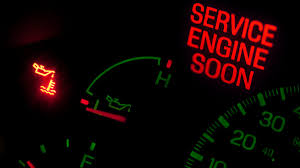
The Service Engine Soon (SES) light is your BMW’s way of telling you the engine computer (DME) has logged a fault. It can be as simple as a loose gas cap or as serious as a misfire that damages your catalytic converters. On most BMWs, the SES light is the same physical bulb as the Check Engine Light — the difference is in how BMW labels and uses it. Older models and many iDrive systems show ‘Service Engine Soon’ for emissions-related faults, while ‘Check Engine’ is often reserved for more urgent drivetrain faults. Some models also display an ‘Increased Emissions’ message in iDrive instead of a dash light. Here is how they compare:
The key distinction is urgency and what the car is telling you. A steady SES light usually means a stored fault that should be diagnosed soon. A flashing SES light means an active misfire that can destroy your catalytic converters within minutes — pull over and stop driving. An ‘Increased Emissions’ iDrive message typically points to an EVAP or fuel-mixture fault. And a Check Engine Light combined with DSC or limp mode is a sign to stop driving and call for service.
Steady vs Flashing: How Urgent Is It?
The behavior of the light tells you how urgently to act. A steady SES light means a fault is stored but the engine is not currently misfiring — you can usually drive to a shop, but do not delay diagnosis. A flashing SES light means an active misfire is occurring right now. Raw fuel is entering the exhaust and can destroy your catalytic converters in minutes. Pull over safely, shut off the engine, and have the car towed or repaired before driving further. If the SES light is combined with limp mode, DSC, or a temperature warning, stop driving immediately.
| Indicator | Service Engine Soon | Check Engine |
|---|---|---|
| Urgency | Less urgent | More urgent |
| Common Causes | Loose gas cap, minor issues | Serious engine problems |
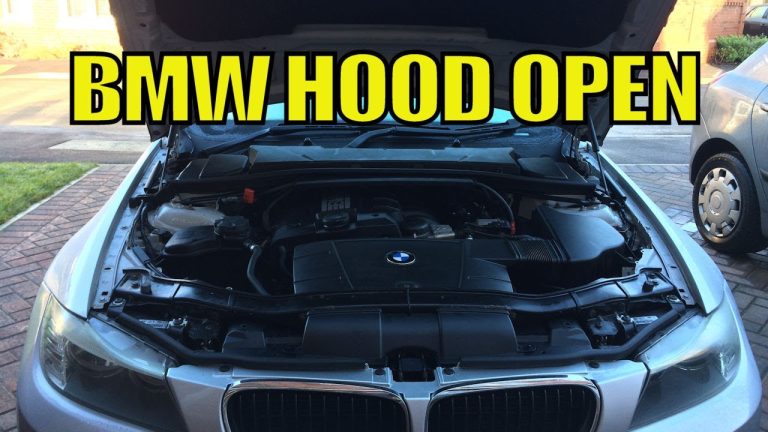
In short, when you see that light, it’s a good idea to peek under the hood. Remember, ignoring it is like ignoring the ice cream melting in your hand—messy and not fun!
Immediate Actions to Take When the Light Appears
When the light comes on, do not panic — but do not ignore it either. Follow this order:
- Check the gas cap. A loose or cracked cap is the single most common trigger for EVAP-related SES lights. Tighten it until it clicks and drive a few cycles to see if the light clears.
- Note the behavior. Is it steady or flashing? Flashing means stop driving. Steady means you can usually continue to a safe location or your shop.
- Check for other warnings. If DSC, limp mode, or a temperature warning is also on, stop driving immediately.
- Scan the codes. A generic OBD-II scanner will read emissions codes. A BMW-specific tool like ISTA or BimmerLink will also read shadow codes the generic scanner misses.
- Write down the codes and any symptoms — rough idle, hesitation, poor fuel economy, smells — before you clear anything.

Ignoring the light is not a neutral choice. A small EVAP leak costs very little to fix. A ignored misfire can destroy catalytic converters, which cost far more. A ignored VANOS or thermostat fault can lead to limp mode or overheating. The light is not the problem — it is the early warning that lets you choose the cheap fix instead of the expensive one.
| Action | Description |
|---|---|
| Check Gas Cap | Ensure it’s tight to prevent fuel vapor leaks. |
| Pull Over | Safely stop to avoid further damage. |
| Listen for Noises | Strange sounds could mean something is wrong. |
Remember, it’s smarter to deal with the light than to hope it goes away—like hoping for a snow day in July!
Routine Maintenance to Prevent the Service Engine Soon Light
Key maintenance practices for BMW owners. How regular service can prevent engine issues.

To keep your BMW running smoothly, routine maintenance is key. Regular check-ups can spot potential problems early. This can stop the service engine soon light from shining brightly on your dashboard. Here are the tasks that matter most for BMW engines:
- Change the oil and filter every 5,000–7,500 miles, or per your CBS (Condition Based Service) interval.
- Replace spark plugs and ignition coils at the intervals BMW specifies for your engine — misfires are a leading cause of SES lights.
- Inspect the air filter and replace it when clogged.
- Check the gas cap seal and EVAP system during routine service.
- Monitor battery voltage — low voltage causes many phantom BMW faults.
- Inspect brakes, suspension, and cooling system hoses.
These simple steps can prevent engine troubles and keep your car in top shape!
How can regular service prevent engine issues?
Regular service helps catch problems early. It can save money and avoid big repairs. Make sure to stay on schedule for the best results!
When to Seek Professional Help
Signs that indicate you need to visit a mechanic. Importance of using certified BMW service centers.
Do you ever feel like your car is talking to you? When warning lights pop up, like the ‘Service Engine Soon’ light, it’s time to listen. If your BMW makes weird noises, shakes, smells funny, or enters limp mode, it is not just being dramatic. These signs mean a visit to a mechanic is important. Also, choose a shop that knows BMWs — either a certified BMW service center or a reputable independent BMW specialist. They have the BMW-specific scan tools (ISTA, Autologic) to read shadow codes that generic scanners miss.
| Signs to Visit a Mechanic |
|---|
| Unusual noises |
| Strange smells |
| Rough driving |
| Warning lights |
DIY Diagnostics and Potential Fixes for BMW Drivers

Tools and methods for diagnosing common issues. Simple fixes that can be performed at home.
For BMW drivers, diagnosing issues starts with the right tool. A generic OBD-II scanner will read standard emissions codes like P0171 or P0300, but it will not read BMW shadow codes — the manufacturer-specific faults stored in the DME that often explain what is really wrong. For those, you need a BMW-specific tool such as ISTA (BMW’s own diagnostic software), BimmerLink, or a shop-grade tool like Autologic. Start by scanning all codes, then check the obvious: gas cap seal, air filter, spark plugs, and ignition coils. If you see a P0012 or VANOS-related code, the issue is likely the VANOS solenoids or timing. If you see P0300-series codes, focus on coils, plugs, and injectors.
| Tools | Common Issues | Simple Fixes |
|---|---|---|
| OBD-II Scanner | Check Engine Light | Reset Codes |
| Socket Set | Poor Acceleration | Replace Spark Plugs |
| Car Manual | Unusual Noises | Tighten Loose Parts |
Fixing minor problems can be easy, and it often saves money. But clearing the code without fixing the cause is a mistake — the light will come back, and you will have lost the diagnostic information. Fix the root cause first, then clear the code and drive a full drive cycle to confirm the fix.
Common BMW Fault Codes and What They Point To
| Code | Meaning | Likely Cause | Typical Fix |
|---|---|---|---|
| P0171 / P0174 | System too lean (bank 1 / bank 2) | Vacuum leak, dirty MAF, failing oxygen sensor, fuel pump | Smoke test for leaks, clean or replace MAF, replace O2 sensor |
| P0300–P0306 | Random or cylinder-specific misfire | Worn spark plugs, failing ignition coils, injector issues | Replace plugs and coils, test injectors |
| P0012 / P0015 | Camshaft timing over-retarded | VANOS solenoid failure, low oil pressure, timing chain wear | Clean or replace VANOS solenoids, check oil supply |
| P0442 / P0455 | EVAP small / large leak | Loose or faulty gas cap, cracked EVAP hose, purge valve | Tighten or replace gas cap, inspect EVAP lines |
| P0128 | Coolant thermostat below regulating temperature | Stuck-open thermostat | Replace thermostat and coolant |
| P0171 + P0300 | Lean condition with misfire | Vacuum leak, failing fuel pump, DISA valve | Smoke test, fuel pressure test, inspect DISA |
The Cost of Ignoring the Service Engine Soon Light
Potential longterm consequences of neglect. Financial implications of delayed repairs.
Ignoring the service engine soon light can lead to serious problems later. If you do not pay attention, your car might suffer more damage. This can be costly for repairs down the line. The longer you wait, the more expensive it gets. Fixing a small issue is much cheaper than fixing a big one. Do not delay! Here are some possible outcomes:
Real Repair Costs: Dealer vs Independent Shop
Costs vary by model, engine, and region, but here are typical ranges BMW owners report. Independent BMW specialists usually charge 30–50% less than dealers on labor.
| Repair | Independent Shop | Dealer |
|---|---|---|
| Gas cap replacement | $15–$40 | $30–$70 |
| Oxygen sensor (one) | $150–$350 | $300–$600 |
| VANOS solenoid (one) | $200–$450 | $400–$800 |
| Ignition coil (one) | $60–$150 | $120–$250 |
| Spark plugs (set) | $150–$400 | $300–$700 |
| DISA valve | $250–$500 | $500–$900 |
| Thermostat | $300–$600 | $600–$1,000 |
| Diagnostic fee | $75–$150 | $150–$250 |

- Engine damage may require a full replacement.
- Worsening gas mileage can lead to higher fuel costs.
- Safety issues may put drivers and passengers at risk.
What happens if I ignore the service engine soon light?
Ignoring this warning can lead to expensive repairs, engine failure, and safety concerns.
How to Reset the Service Engine Soon Light Properly
Clearing the light is not the same as fixing the problem. If you clear the code without repairing the cause, the light will return — often within a few drive cycles. The correct sequence is: fix the root cause, clear the fault codes with your scan tool or BMW-specific software, then drive a full drive cycle (cold start, warm-up, varied speeds, idle) to let the DME re-run its monitors. If the light stays off through a complete drive cycle, the repair is confirmed. If it returns, the fault is still present or a new one has appeared. Never clear codes just to pass an emissions test — the monitors will not be ready and the test will fail.
Conclusion
In conclusion, the BMW service engine soon light signals your car needs attention. This light could mean simple or serious issues. Always check your manual or visit a mechanic if it turns on. Regular maintenance can prevent problems. So, stay informed and take action when you see the light. For more tips, keep reading about car care!
FAQs
What Are The Common Causes For The Bmw Service Engine Soon Light To Illuminate?
The ‘Service Engine Soon’ light can turn on for different reasons. Common causes include a loose or faulty gas cap, EVAP leaks, oxygen sensor faults, VANOS solenoid issues, DISA valve failure, ignition coil or spark plug misfires, thermostat faults, and low battery voltage. The exact cause depends on the fault codes stored in the DME. A BMW-specific scan tool will read both standard and shadow codes to point you to the right fix.
How Can I Diagnose The Issues When The Service Engine Soon Light Comes On In My Bmw?
When the service engine soon light turns on in your BMW, first check whether it is steady or flashing. If flashing, stop driving. If steady, check the gas cap and note any symptoms. Then scan the codes with an OBD-II scanner — ideally a BMW-specific tool like ISTA or BimmerLink, which reads shadow codes generic scanners miss. Match the codes to the likely cause, inspect the relevant components, and fix the root issue before clearing the light. If you are unsure, a BMW specialist can diagnose it quickly.
What Steps Should I Take If My Bmw Service Engine Soon Light Does Not Turn Off After Repairs?
If your BMW’s service engine soon light stays on after repairs, don’t worry. First, check that you tightened the gas cap properly. If it’s still on, you should visit a mechanic to look for more problems. Sometimes, the light needs to be reset after fixing issues. You can also try driving your car for a bit, as it might turn off on its own.
Are There Any Specific Maintenance Services Recommended To Prevent The Service Engine Soon Light From Coming On In Bmw Vehicles?
To keep the “service engine soon” light off in your BMW, you should check your oil often and change it when it’s dirty. It’s also important to look at your air filter and replace it if it’s clogged. You should keep an eye on the engine coolant and make sure it’s full. Regularly checking your brakes and tires helps too. These simple steps can help your car run smoothly!
How Does The Bmw Diagnostic System Determine When To Trigger The Service Engine Soon Light?
The BMW diagnostic system checks your car’s parts and sensors. It looks for any problems that might affect how the engine runs. If it finds something wrong, it turns on the “service engine soon” light. This light is a warning sign that tells you to get your car checked. It helps us take care of our car before bigger problems happen.
Related posts:
 ZF 8HP Transmission Problems: Variants, Costs & Fixes
 Which BMW Has 3 Rows? X7, iX, and X5 Explained
 BMW Stalls When Stopping: Causes, Codes, Costs & Fixes
 BMW Garage Door Opener: HomeLink Programming & Fixes
 What BMW Has the B58 Engine? Full Model List, Years, and Outputs
 BMW Restraint System Malfunction: Causes, Codes & Fixes
 How To Tell If BMW Has Adaptive Suspension: VIN, iDrive & Visual Checks
 How To Decode BMW VIN: Step-by-Step Guide With Examples
 How To Check BMW Transmission Fluid Level (Dipstick & Sealed)
 Bmw Leaking Coolant But Not Overheating: Causes & Fixes
 BMW Limp Mode: Causes, OBD-II Codes & Fixes Explained
 F150 Jump Seat Console Organizer: Fitment Chart & Top Picks