What Are Spring Chains for Tires? Traction, Laws & Limits
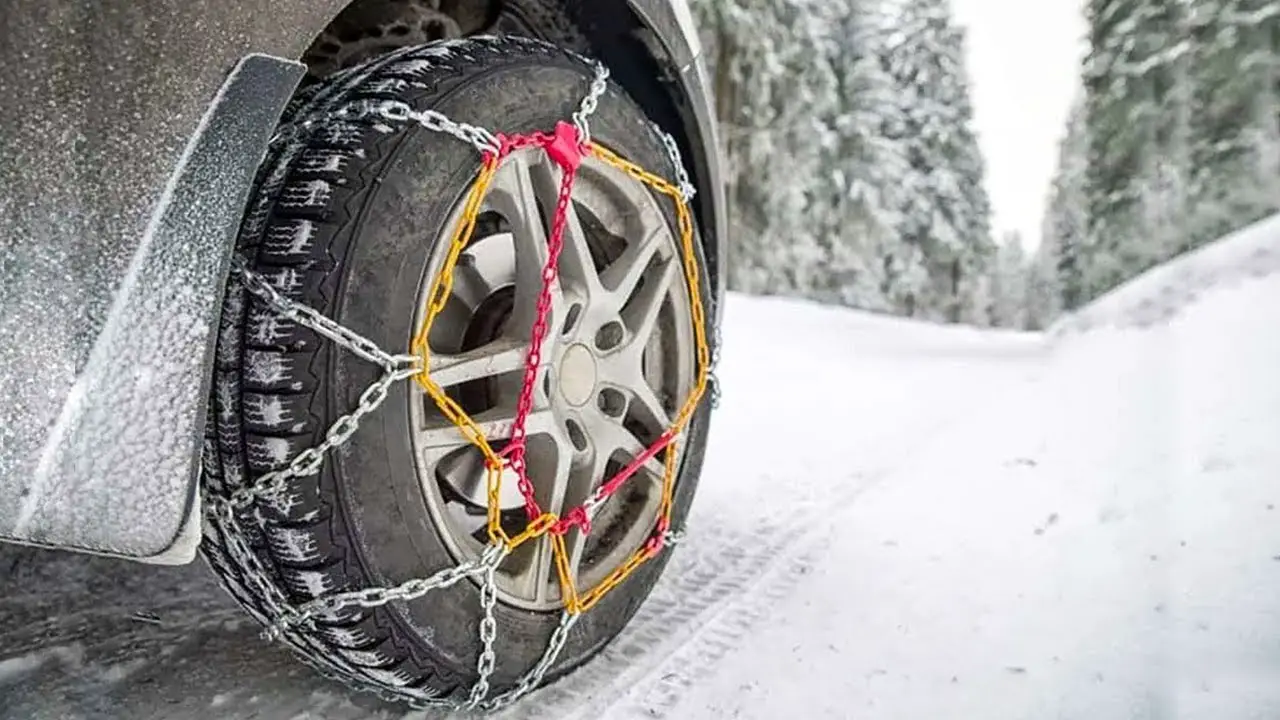
What are spring chains for tires? Spring chains for tires, also known as snow chains, are traction devices composed of springs, cross chains, and side chains. They enhance tire grip on snowy or icy roads, improving safety and control during winter driving.
Driving in harsh winter conditions can be a challenging and sometimes perilous endeavor. Snow and ice-covered roads can turn an ordinary commute into a treacherous journey. Thankfully, there are various tools and techniques available to help drivers navigate these wintry landscapes safely. One such tool is the spring chain for tires, a lesser-known but effective solution for enhancing traction when the going gets tough.
The Need for Tire Chains
Before diving into the specifics of spring chains for tires, it’s essential to understand why tire chains are necessary in the first place. Winter driving can bring about a host of challenges, including slippery roads, reduced visibility, and limited control of your vehicle. In such conditions, maintaining proper traction becomes critical.
Tire chains, also known as snow chains or tire cables, are designed to address this issue. They consist of a series of metal links that are attached to your vehicle’s tires. When installed correctly, these chains create friction with the road surface, significantly improving traction. This enhanced grip allows drivers to navigate icy or snowy roads with greater confidence and safety.
In many regions, the use of tire chains is not just recommended but legally required during severe winter weather. These laws are in place to ensure the safety of drivers and reduce accidents caused by slippery roads.
Understanding Spring Chains
Now that we’ve established the importance of tire chains, let’s delve into spring chains. Spring chains are a specific type of tire chain designed to provide enhanced traction in challenging winter conditions. What sets them apart from traditional tire chains is their unique construction.
Spring chains incorporate a combination of components to achieve their goal of improved traction. These components include springs, cross chains, side chains, and tensioning devices. Each of these elements plays a crucial role in enhancing tire performance.
Components of Spring Chains
- Springs: At the heart of spring chains are the individual springs. These are typically made of hardened steel and are designed to flex and bite into the snow or ice as the tires rotate. The springs act as the primary contact point between the chain and the road surface.
- Cross Chains: Cross chains are the horizontal links that connect the springs. They are responsible for maintaining the spacing between the springs and distributing the load evenly across the tire’s tread. This even distribution of pressure helps prevent excessive wear and tear on the tire.
- Side Chains: Side chains run along the sides of the tire and connect to the cross chains. They provide lateral stability to the spring chains, ensuring that they remain securely attached to the tire. Side chains also help prevent the spring chains from sliding around on the tire.
- Tensioning Devices: Tensioning devices, such as cams or ratchets, are used to tighten the spring chains once they are installed on the tire. Proper tensioning is essential for ensuring that the chains remain securely in place and provide the necessary traction.

When and Where to Use Spring Chains
Spring chains shine in specific winter conditions: packed snow, icy roads, and steep inclines where consistent metal-to-surface contact matters most. Their spring-loaded elements keep biting as the tire rotates, which is why they tend to outperform standard link chains on hard-packed snow and glaze ice. That said, they are not a cure-all. In deep, loose snow they can dig in and lose effectiveness, on bare dry pavement they wear rapidly and can damage the road, and on sheer ice no chain delivers full grip at speed. Match the tool to the condition, and slow down regardless.
In terms of vehicle compatibility, spring chains can be used on a wide range of vehicles, including passenger cars, trucks, SUVs, and even some commercial vehicles. However, it’s essential to check your vehicle’s owner’s manual for guidance on whether spring chains are suitable and if there are any specific recommendations from the manufacturer. Vehicles with ABS, traction control, or AWD/4WD generally work fine with properly fitted spring chains, but you should switch off traction control when chains are mounted so the system doesn’t fight the added grip, and never assume AWD removes the need for chains — it improves acceleration, not braking or steering on ice.
Geographically, spring chains are commonly used in regions prone to heavy snowfall and icy conditions, such as mountainous areas, northern states, and provinces. Drivers who frequently encounter these conditions may find spring chains to be a valuable addition to their winter driving toolkit. Before you buy, check your state or provincial rules: many jurisdictions require chains in posted chain-control zones, some restrict them to certain months, and a few prohibit metal chains entirely in favor of cables or studded tires. Speed limits with chains are typically capped well below normal highway speeds, so plan for a slower trip.
Installing Spring Chains
Proper installation of spring chains is crucial to ensure their effectiveness and safety while driving in winter conditions. Here’s a step-by-step guide to installing spring chains:
- Select the Right Size: Begin by choosing the correct size of spring chains for your vehicle’s tires. Refer to the manufacturer’s guidelines or your vehicle’s owner’s manual for this information.
- Lay Out the Chains: Lay the spring chains flat on the ground and untangle any knots or kinks.
- Drape Over Tires: Position the chains over your vehicle’s tires, making sure that the springs are facing downward towards the tire treads.
- Connect Side Chains: Connect the side chains on both sides of the tire. Ensure they are snugly secured and evenly distributed.
- Attach Cross Chains: Connect the cross chains, ensuring that they are centered on the tire’s tread.
- Tighten Tensioning Devices: Use the provided tensioning devices (cams or ratchets) to tighten the spring chains. Make sure they are as tight as possible without causing damage to the chains or the tire.
- Check for Clearance: Confirm that there is sufficient clearance between the chains and your vehicle’s fenders, suspension components, and brakes. If needed, adjust the tensioning devices to achieve the proper clearance.
- Test Drive: Before hitting the road, drive a short distance to check the installation. Listen for any unusual noises or vibrations and ensure that the chains remain securely in place.
It’s essential to practice installing and removing spring chains in a safe environment before encountering adverse conditions on the road. Familiarity with the process can save valuable time and frustration when you need to use them in a hurry.
Maintenance and Care
Like any piece of equipment, spring chains require regular maintenance to ensure their longevity and effectiveness. Here are some maintenance tips to keep in mind:
- Inspect Before Use: Before each use, inspect your spring chains for any signs of damage, such as broken springs, bent links, or loose components. Replace any damaged parts immediately.
- Clean After Use: After driving in wintry conditions, remove the spring chains and clean them thoroughly. Use warm water to remove any salt, ice, or debris that may have accumulated. Dry the chains completely before storing them.
- Storage: Store your spring chains in a cool, dry place to prevent rust and corrosion. Consider using a dedicated storage bag to keep them organized and protected.
- Oil Springs: Applying a light coat of lubricating oil to the springs can help prevent rust and ensure they remain flexible.
By following these maintenance practices, you can extend the lifespan of your spring chains and ensure they perform optimally when needed.
Cost and Replacement Expectations
Spring chains sit in the middle of the price range — more than basic cables, less than heavy-duty link chains. Expect to replace them when springs fatigue, cross chains stretch, or tensioners stop holding. Lifespan depends on how often you drive on bare pavement, how fast you go, and how well you dry and store them. Buying a spare repair link and a replacement tensioner is cheap insurance against a mid-trip failure.
Safety Considerations
Using spring chains for tires enhances traction and improves safety in winter conditions, but it’s essential to prioritize safety throughout the entire process. Here are some safety considerations:
- Follow Installation Instructions: Always follow the manufacturer’s instructions for installing spring chains. Incorrect installation can lead to accidents and damage to your vehicle.
- Drive Cautiously: While spring chains improve traction, they do not negate the need for safe and cautious driving. Reduce your speed when driving in winter conditions and maintain a safe following distance.
- Avoid Dry Pavement: Do not drive with spring chains on dry or bare pavement. Doing so can cause excessive wear on the chains and damage your tires.
- Check Local Regulations: Be aware of local regulations regarding the use of tire chains. Some areas may have specific rules about when and where you can use them.
- Carry Tools: Keep a set of basic tools, such as pliers and gloves, in your vehicle in case adjustments or repairs to the spring chains are necessary on the road.
- Practice Installation: As mentioned earlier, practice installing and removing spring chains in a controlled environment to familiarize yourself with the process.
- Emergency Kit: Carry an emergency kit in your vehicle that includes items such as a flashlight, blankets, a first-aid kit, and non-perishable food and water.
In case of any issues or emergencies while driving with spring chains, prioritize your safety and that of other road users. If necessary, pull over to a safe location and seek assistance.
Legal Requirements and Speed Limits
Chain laws vary widely. Some mountain passes and highways post chain-control signs that make chains mandatory for certain vehicles during storms. Others restrict metal chains to protect the road surface, and a few ban them outright in favor of cables or studded tires. Typical chain speed limits fall in the 20–30 mph range, but always follow the posted limit for the road you’re on. Driving faster than the chain’s rated speed risks throwing a chain, damaging your vehicle, and losing traction. Check your state or provincial transportation department before you travel.

Alternatives to Spring Chains
While spring chains are a valuable tool for enhancing winter driving safety, it’s worth noting that there are alternatives available. Some drivers opt for alternatives depending on their specific needs and preferences:
- Studded Tires: Studded winter tires have metal studs embedded in the tread, providing excellent traction on icy roads. However, they may be restricted or prohibited in some areas due to their potential to damage road surfaces.
- Snow Tires: Snow tires, also known as winter tires, are designed with a special rubber compound and tread pattern to provide better traction on snow and ice compared to all-season tires. They are a good option for those who want a more permanent solution for winter driving.
- Traction Control Systems: Many modern vehicles come equipped with traction control systems that can help mitigate slip and skid in winter conditions. These systems use sensors to monitor wheel spin and adjust power to individual wheels as needed.
- Chains for Specific Conditions: There are specialized chains designed for specific conditions, such as mud chains for off-road use or cables for lighter traction needs. Choosing the right option depends on your driving environment.
Real-World Performance Limits
Spring chains are not invincible. They underperform or fail in a few predictable situations: deep, unconsolidated snow where they can’t reach a firm surface; sheer ice where no chain provides full grip; dry pavement where they wear fast and can scar the road; and high speeds where centrifugal force loosens tension. Broken springs, stretched cross chains, and failed tensioners are the most common failure points. If a chain breaks, pull over safely, remove it, and inspect the rest before continuing.
Conclusion:
Spring chains for tires are a valuable tool for enhancing traction and safety when driving in adverse winter conditions. Their unique design and components make them effective in deep snow and icy situations, making them a valuable addition to any winter driving toolkit. However, it’s essential to install and maintain them properly, follow safety guidelines, and be aware of alternative solutions based on your specific needs and local regulations. By taking these precautions, you can navigate winter roads with confidence and reduce the risks associated with challenging weather conditions. Stay safe out there!
FAQ:
u003cstrongu003eWhat are tire chains used for?u003c/strongu003e
Tire chains are used to improve traction on icy or snowy roads, enhancing vehicle stability and safety in winter conditions.
u003cstrongu003eHow do you put on spring chains?u003c/strongu003e
To put on spring chains, follow these steps: select the right size, lay them flat, drape over tires, connect side and cross chains, tighten tensioning devices, check for clearance, and test drive.
u003cstrongu003eDo you need chains on all 4 tires or just 2?u003c/strongu003e
While chains on all 4 tires provide optimal traction and control, in some cases, using chains on just the drive wheels (front or rear, depending on your vehicle) may suffice.
u003cstrongu003eShould I put chains on all 4 tires?u003c/strongu003e
Putting chains on all 4 tires is recommended for balanced traction and safety in severe winter conditions, ensuring consistent grip on all wheels.
Related posts:
 How Far Can You Drive Without an Alternator? Real Distances
 What is Trailer Backup on Ford F150: Expert Guide for Safe Maneuvering
 How to Replace Rear Sliding Window Ford F150: Step-by-Step
 How Many O2 Sensors Does a Ford F150 Have? (1997–2024 Chart)
 What Is 4A on F150? 4WD Auto Explained (Trims, Modes, FAQ)
 What Are Cam Phasers F150
How Much is a Windshield for a Ford F150: Find the Best Price Now!
 Best Aftermarket Radio For 2013 Ford F150: Expert Picks
 Best Floor Jack for F150
 How to Get a Spare Tire off a Ford F150
 5 Best Ford F150 Bed Covers: Expert Picks & Quality Tested
 Best Tuners for Ford F150 EcoBoost to Boost Performance