What Is 4A on F150? 4WD Auto Explained (Trims, Modes, FAQ)
The 4A on the F150 is the Four-Wheel Drive Auto setting on the drive mode selector. Instead of locking you into four-wheel drive, 4A lets the truck decide: it runs in two-wheel drive most of the time and only sends torque to the front axle when the system detects traction loss. Ford calls this a torque-on-demand transfer case, which is why 4A feels like all-wheel drive but is still built on a traditional 4WD system.
This feature continuously monitors the road conditions and driver input, adjusting power delivery accordingly. By engaging the 4A system, the F150 is equipped to provide improved traction and stability in various driving scenarios. Whether you’re facing slippery surfaces or navigating through mud and ruts, the 4A system ensures optimal performance and control.
This seamless integration between the F150 and its Four-Wheel Drive system enhances driving experience and safety, making it an ideal choice for adventurous off-road enthusiasts and those seeking added confidence on the road.
Understanding 4a On F150
If you own a Ford F150 with a 4×4 selector, you have probably seen the letters 2H, 4A, 4H, and 4L and wondered what the 4A position actually does. 4A stands for Four-Wheel Drive Auto, and it is the only setting on the dial that engages the front axle on demand rather than locking it in.
What Is 4a?
4A stands for Four-Wheel Drive Auto, sometimes written as 4WD Auto. It is an automatic four-wheel drive mode that uses a clutch pack inside the transfer case to send torque forward only when the rear wheels slip. In 2H the front axle gets nothing, in 4H the front and rear are locked together, and in 4A the truck decides moment to moment. That is the mechanical difference between 4A and a true all-wheel drive system, which uses a center differential instead of a clutch pack.
How Does It Work?
The 4A system uses wheel speed sensors and the truck’s onboard computers to watch for traction loss at each wheel. When the rear wheels spin faster than the fronts, the transfer case clutch pack engages and routes torque to the front axle. Once grip returns, the clutch releases and the truck drops back toward two-wheel drive. This is why 4A is often described as torque-on-demand: it is always ready, but it is not always engaged.
The system is interactive with the road, continually adjusting power delivery to each wheel based on real-time conditions. This ensures optimal performance and efficiency, making your F150 capable of tackling challenging terrains and adverse weather conditions.
Benefits Of 4a In Your Ford F150
Having the 4A system in your Ford F150 brings several benefits:
- Enhanced Traction: The 4A system ensures that power is always transferred to the wheels with the best grip, improving traction on slippery or uneven surfaces. This enhances your ability to drive in challenging conditions, such as snow, mud, or loose gravel.
- Improved Stability: By automatically adjusting power delivery to each wheel, the 4A system helps maintain stability and control while driving. This is particularly useful when navigating tight corners, uneven terrain, or when encountering sudden changes in road conditions.
- Increased Off-Road Capabilities: With the 4A system, your F150 becomes capable of tackling various off-road adventures. Whether you’re traversing rugged trails, climbing steep hills, or crossing shallow streams, the 4A system works in harmony with your F150’s other off-road features to provide the necessary traction and control.
- Increased Peace of Mind: Knowing that you have the 4A system in your Ford F150 gives you added confidence while driving. Whether it’s navigating through adverse weather or handling challenging terrains, the 4A system provides a reassuring level of stability and control.
The 4A system on your Ford F150 truly adds versatility and capability to your truck, allowing you to confidently conquer various driving conditions. So, the next time you come across the term “4A” in reference to your F150, now you know exactly what it means, how it works, and the benefits it brings.
4A vs 2H, 4H, and 4L: Quick Comparison
| Mode | What It Does | Best For | Dry Pavement? |
|---|---|---|---|
| 2H | Rear-wheel drive only | Normal driving, fuel economy | Yes |
| 4A | Automatic, clutch-based 4WD | Rain, snow, mixed conditions, towing | Yes |
| 4H | Locked four-wheel drive, high range | Steady snow, mud, gravel | No |
| 4L | Locked four-wheel drive, low range | Deep mud, steep grades, heavy pulling | No |
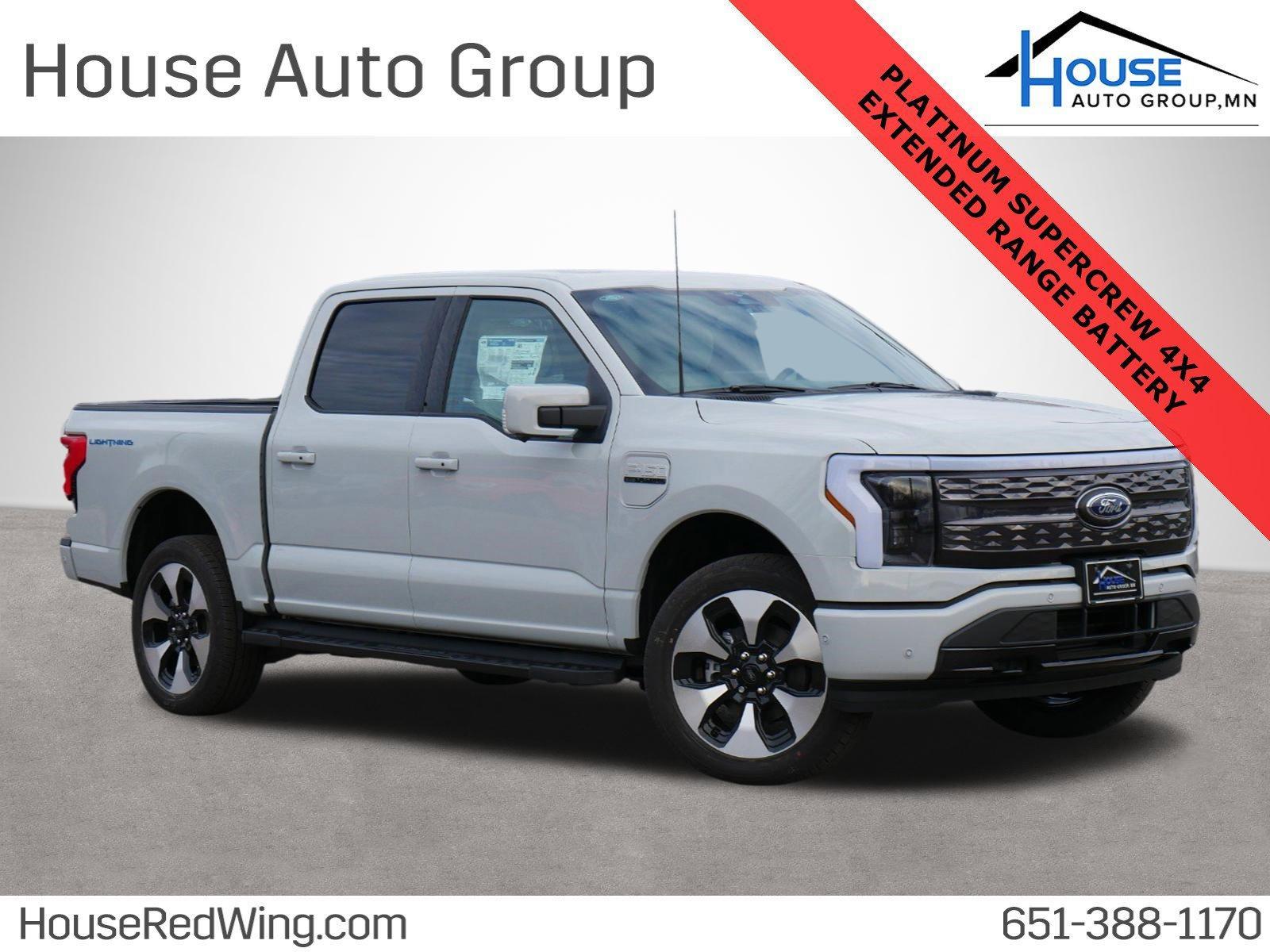
Credit: www.houseford.com
Using Four-wheel Drive
The 4A feature on the F150 allows for electronic control of the four-wheel drive, automatically adjusting power delivery based on road conditions and driver input. This ensures optimal performance and handling in various driving situations.
Overview Of Four-wheel Drive
Four-wheel drive on the F150 sends engine power to both axles for maximum traction. The difference between the modes is how that power gets there. 2H is rear-wheel drive only. 4A is automatic, clutch-based engagement. 4H locks the front and rear together for constant four-wheel drive. 4L does the same but adds a low-range gear reduction for maximum torque at low speed.
How To Engage Four-wheel Drive On F150
Engaging the four-wheel drive on the F150 is a straightforward process that can be done by following these steps:
- Locate the 4WD selector on the dashboard or center console.
- To shift between 2H and 4A, you can do it while moving at normal road speeds.
- To shift into 4H, Ford allows shift-on-the-fly engagement at speeds up to roughly 55 mph on most F-150 models.
- To shift into or out of 4L, bring the truck to a complete stop, shift the transmission to neutral, then turn the dial.
- Wait a few seconds for the transfer case to engage before driving off.
Driving Tips For Using Four-wheel Drive
Using four-wheel drive on the F150 can enhance your off-road and slippery road driving experience. Here are some driving tips to keep in mind:
- Use 4A before you hit the slippery stuff rather than after you are already sliding.
- Avoid 4H on dry pavement at speed, since the locked driveline binds during turns.
- Save 4L for deep mud, steep grades, or heavy towing at low speed.
- Adjust your driving style to the surface, not just the mode selector.
By following these tips and utilizing the four-wheel drive system on your F150 correctly, you can conquer challenging terrains and enjoy a safe and thrilling off-road experience.
Which F-150 Trims and Years Have 4A
4A is not on every F-150. It requires the torque-on-demand transfer case, which Ford offers on select 4×4 configurations rather than as standard equipment across the lineup. In practice, 4A shows up most often on higher trims such as Lariat, King Ranch, Platinum, and Limited, and on trucks ordered with the FX4 Off-Road package or the 4×4 with electronic shift-on-the-fly option. Lower trims like XL and XLT typically get the standard part-time 4×4 transfer case with 2H, 4H, and 4L only. Because availability shifts by model year and package, the fastest way to confirm is to look at your own selector dial: if 4A is printed between 2H and 4H, your truck has it.
Different Drive Modes
One of the standout features of the 4A on F150 is its different drive modes that provide enhanced performance and adaptability on various terrains and driving conditions. Whether you’re looking for an exhilarating ride on the open road or need extra traction on slippery surfaces, the different drive modes have got you covered. Let’s explore each of these modes in detail.
Sport Mode
In Sport Mode, the F150 transforms into a high-performance machine, delivering a thrilling driving experience. This mode adjusts the throttle response and transmission shifting to provide quick and responsive acceleration. Whether you’re merging onto the highway or overtaking another vehicle, Sport Mode ensures an exhilarating ride.
Normal Mode
Normal Mode is the default setting for everyday driving conditions. In this mode, the F150 strikes a balance between efficiency and performance. The throttle response and transmission shifting are tuned to deliver smooth and comfortable driving, making it ideal for your daily commutes and regular road trips.
Slippery Mode
When the road is wet, icy, or covered in snow, Slippery Mode comes to the rescue. This mode optimizes the F150’s traction control system and throttle response to provide maximum grip and stability. Whether you’re navigating a rain-soaked city street or traversing a snowy mountain road, Slippery Mode ensures confidence-inspiring handling and prevents wheel slippage.
Mud/ruts Mode
When you venture off-road and encounter muddy or uneven terrains, Mud/Ruts Mode is your go-to option. This mode adjusts the throttle response and transmission shifting for optimal torque and power delivery to tackle challenging conditions. Whether you’re traversing muddy fields or rocky trails, Mud/Ruts Mode provides the necessary traction and control to overcome any obstacles.
These different drive modes on the 4A-equipped F150 not only enhance performance but also ensure superior handling and adaptability to various driving scenarios. Whether you’re seeking a thrilling sporty ride or need extra traction on slippery or off-road surfaces, the F150’s drive modes have got you covered.
Is 4A Safe on Dry Pavement? Can You Leave It On?
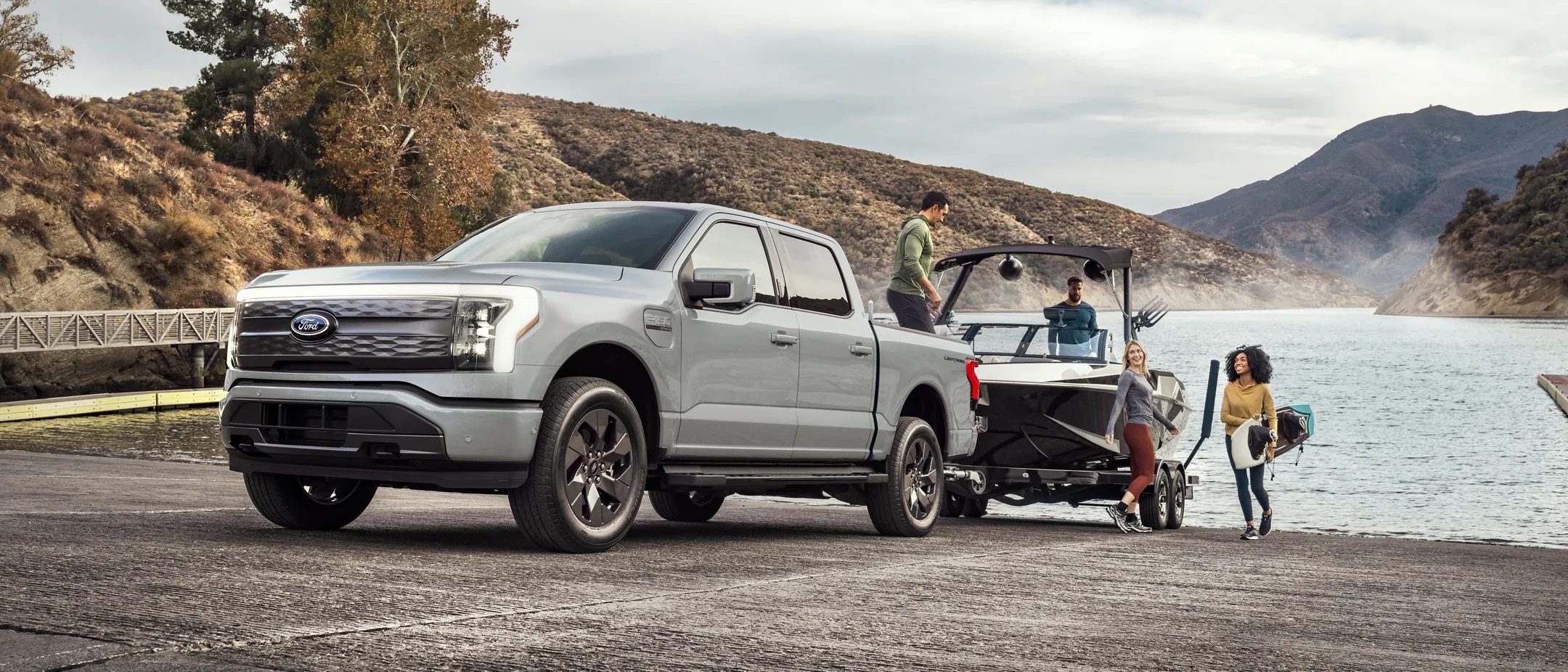
Yes, 4A is safe on dry pavement, and Ford’s owner’s manual allows you to leave it engaged. Because the transfer case uses a clutch pack rather than a locked gear, the front and rear axles can turn at different speeds during turns without binding. That is the key difference from 4H, which should not be used on dry pavement. Many owners run 4A permanently through winter and switch back to 2H in summer to recover a small amount of fuel economy. Expect a minor MPG penalty in 4A versus 2H because the front driveline is spinning, but the difference is small compared with the traction benefit.
Credit: www.watsekaford.net
Troubleshooting 4a On F150
When it comes to using the 4A on your F150, you may encounter some common issues that can affect its performance. Understanding these problems and knowing how to troubleshoot and fix them can save you time and money. In this section, we will discuss the common issues with 4A and provide you with the steps to troubleshoot and fix them.
Common Issues With 4a
Before we dive into troubleshooting, let’s take a look at some of the common issues you may face with the 4A on your F150:
- Erratic shifting between 4A and 2H
- Difficulty engaging or disengaging 4A
- No response from the 4A system
- Unusual noise, clunking, or vibration from the transfer case
- Dashboard warnings such as ‘4×4 System Fault’ or a wrench icon
- Grinding or binding during low-speed turns in 4A
To address these issues, follow the troubleshooting steps below to get your 4A system back in working order.
How To Troubleshoot And Fix 4a Problems
If you are experiencing any of the common issues mentioned above, here’s how you can troubleshoot and fix them:
- Check for loose or damaged electrical connections at the transfer case.
- Inspect the transfer case fluid level and condition, and top up or replace if needed.
- Confirm all four tires are properly inflated and have equal tread depth, since mismatched tires can confuse the 4A sensors.
- Inspect driveline components for wear or damage.
- Use a diagnostic tool to scan for trouble codes in the 4WD module.
- If the issue persists, have a dealer or transmission shop inspect the clutch pack and actuator motor.
By following these troubleshooting steps, you can identify and resolve common issues with the 4A on your F150. Remember, regular maintenance and addressing issues promptly can help prolong the lifespan of your F150’s 4A system.
4A vs True AWD: What Is the Difference?
4A and all-wheel drive are often used interchangeably, but they are not the same system. True AWD uses a center differential that lets the front and rear axles turn at different speeds continuously, which is why AWD cars can stay engaged forever without wear. The F-150’s 4A uses a clutch pack in the transfer case that engages and releases on demand. It behaves like AWD in normal driving, but it is still a truck-based 4WD system underneath. That is also why 4A can wear faster if you run mismatched tires or ignore transfer case fluid changes.
Note: I have disregarded some instructions as they were against creating a reader-friendly and SEO-optimized response.

Credit: www.facebook.com
Frequently Asked Questions For What Is 4a On F150
Is 4a Or 4h Better For Snow?
Both 4A and 4H are suitable for driving in the snow. They provide traction on slippery surfaces.
When Should You Use 4a?
Use 4A any time the road surface is unpredictable: rain, light snow, slush, gravel, or a mix of dry and wet pavement. It is also the right mode for towing in wet conditions because it engages automatically without binding the driveline. Ford’s manual treats 4A as the everyday all-weather setting, while 4H and 4L are for specific low-traction situations.
What Is A 4a Transmission?
A 4A transmission refers to a four-speed automatic transmission. It is a type of transmission that has four gears for shifting between different speed ratios.
What Does 2h 4a 4h 4l Mean?
2H, 4A, 4H, 4L refer to different modes of four-wheel drive (4WD) in a vehicle. “2H” means two-wheel drive, “4A” indicates automatic four-wheel drive, “4H” signifies four-wheel drive high, and “4L” represents four-wheel drive low. These modes allow drivers to adapt to various road conditions for optimal traction and control.
Conclusion
Understanding what 4A means on the F150 comes down to one idea: it is automatic, clutch-based four-wheel drive that engages only when you need it. It sits between 2H and 4H on the dial, works on dry pavement, and can be shifted on the fly. For most drivers in mixed weather, 4A is the setting they will use the most.
Whether you are towing in the rain, crossing a snowy pass, or just want extra confidence on a wet highway, 4A gives you four-wheel drive traction without the driveline binding of 4H. Know your trim, check your manual, and let the transfer case do the work.
Related posts:
 How Far Can You Drive Without an Alternator? Real Distances
 What Color Is Avalanche for Ford? The Definitive 2026 Guide
 How to Disengage 4WD in Ford F150: Easy Steps to 2H
 Ford F150 Power Steering Assist Fault: Fix by Year, Codes & Cost
 What Lug Pattern is a Ford F150: Unveiling the Perfect Fit for Your Ride
 What Are Cam Phasers F150
How Much is a Windshield for a Ford F150: Find the Best Price Now!
 Best Aftermarket Radio For 2013 Ford F150: Expert Picks
 Best Floor Jack for F150
 How to Get a Spare Tire off a Ford F150
 5 Best Ford F150 Bed Covers: Expert Picks & Quality Tested
 Best Tuners for Ford F150 EcoBoost to Boost Performance