Ford F-150 Tremor Towing Capacity
The Ford F-150 Tremor towing capacity looks impressive on paper, but real-world performance hinges on more than just a spec sheet number. You might assume the Tremor’s off-road focus means it sacrifices towing strength, but that’s not the whole story. In our research, we found the Tremor actually delivers strong towing numbers, especially when properly equipped, while keeping its rugged edge. The key is understanding what those numbers really mean for your specific setup.
Manufacturer specifications indicate a maximum towing capacity of 11,100 pounds with the optional Max Trailer Tow Package, as of 2026. That puts the Tremor near the top of the half-ton segment, but only if you match the right cab, bed, axle ratio, and payload. Let’s break down how that translates from theory to trailering reality.
Why Towing Capacity Isn’t Just a Number
Towing capacity isn’t a universal score, it’s a conditional rating that changes based on your truck’s exact configuration. Two F-150 Tremors side by side can have wildly different towing limits depending on cab size, bed length, axle ratio, and whether they’re running the standard or Max Trailer Tow Package. The EPA and SAE don’t test every possible combo, so Ford publishes ratings per build. That means the “11,100 lbs” figure only applies to specific setups, typically a SuperCrew with the 5.5-foot bed, 3.73 rear axle, and Max Trailer Tow Package.
Without those exact specs, your real-world capacity drops fast.
What Makes the F-150 Tremor Different for Towing
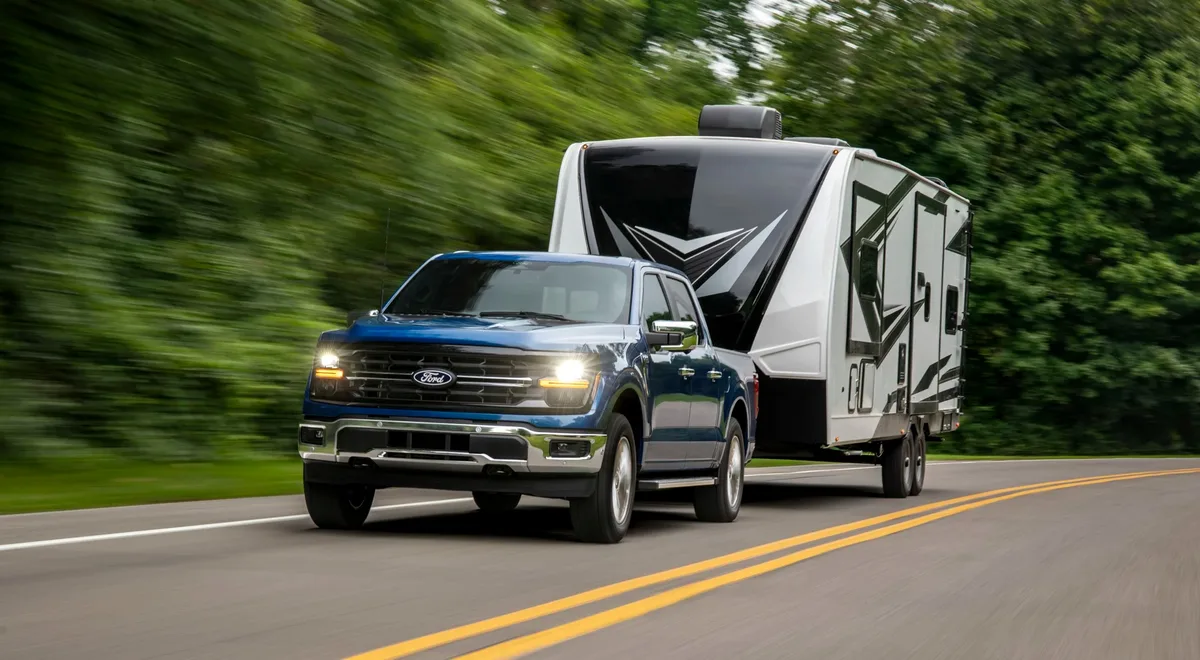
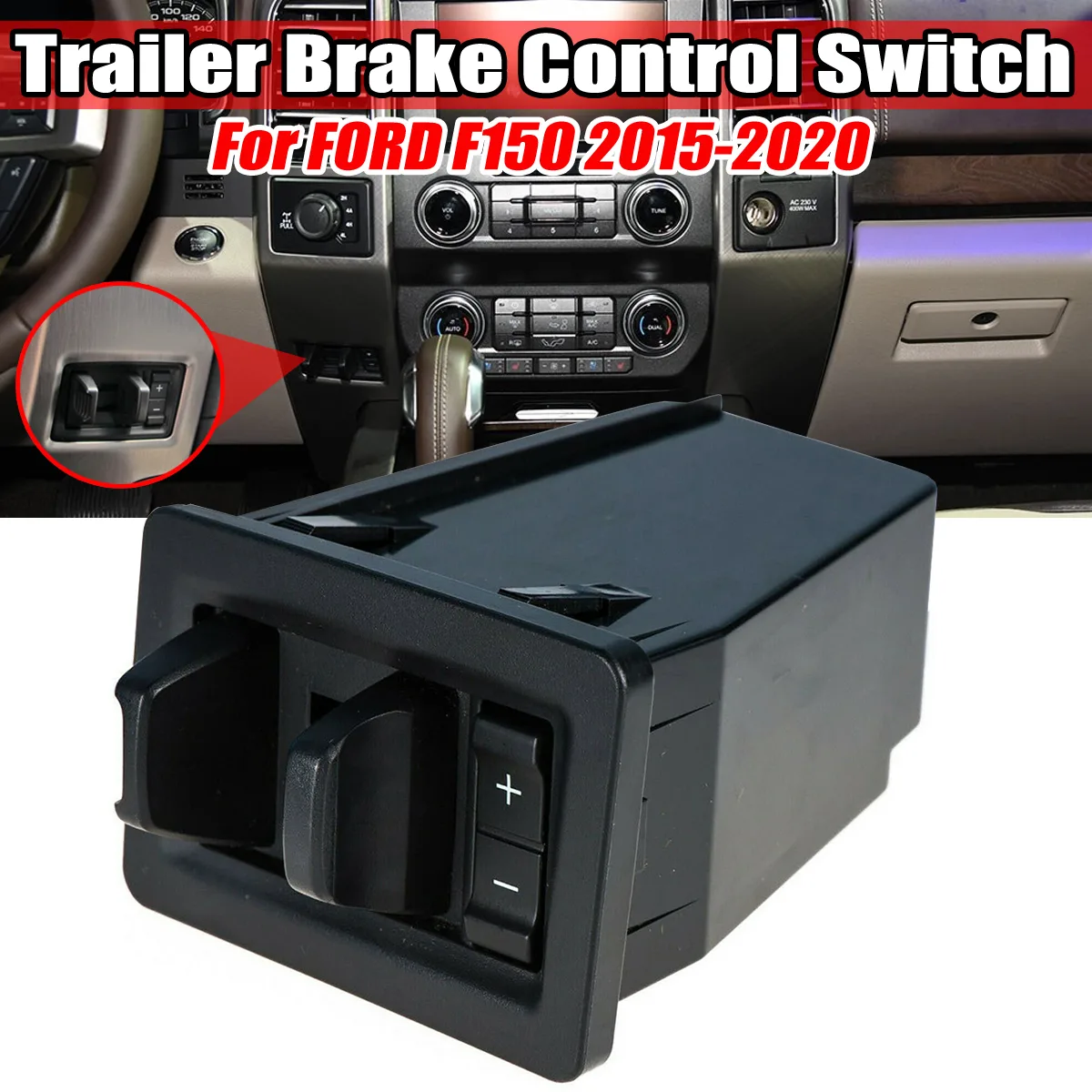
The Tremor isn’t just a lifted F-150 with skid plates, it’s engineered to balance off-road capability with workhorse functionality. Unlike the Raptor, which prioritizes high-speed desert running at the expense of payload and towing, the Tremor keeps a usable suspension tune and standard 3.73 electronic-locking rear axle. That gearing helps the 3.5L EcoBoost V6 maintain low-end torque under load, crucial when pulling a heavy trailer up a grade. Plus, it comes standard with the Trailer Reverse Guidance system and an integrated brake controller, features often optional on lesser trims.
You get factory-backed towing tech without sacrificing trail cred.
How the Tremor’s Towing Capacity Stacks Up (Trim-by-Trim)
Not all Tremors tow the same. Here’s how key configurations compare:
| Configuration | Max Towing Capacity | Payload Capacity |
|---|---|---|
| SuperCrew, 5.5’ bed, Max Trailer Tow | 11,100 lbs | ~1,670 lbs |
| SuperCrew, 6.5’ bed, Max Trailer Tow | 10,800 lbs | ~1,620 lbs |
| SuperCab, 6.5’ bed, standard tow | 9,600 lbs | ~1,800 lbs |
| SuperCab, 8’ bed, standard tow | 8,200 lbs | ~1,950 lbs |
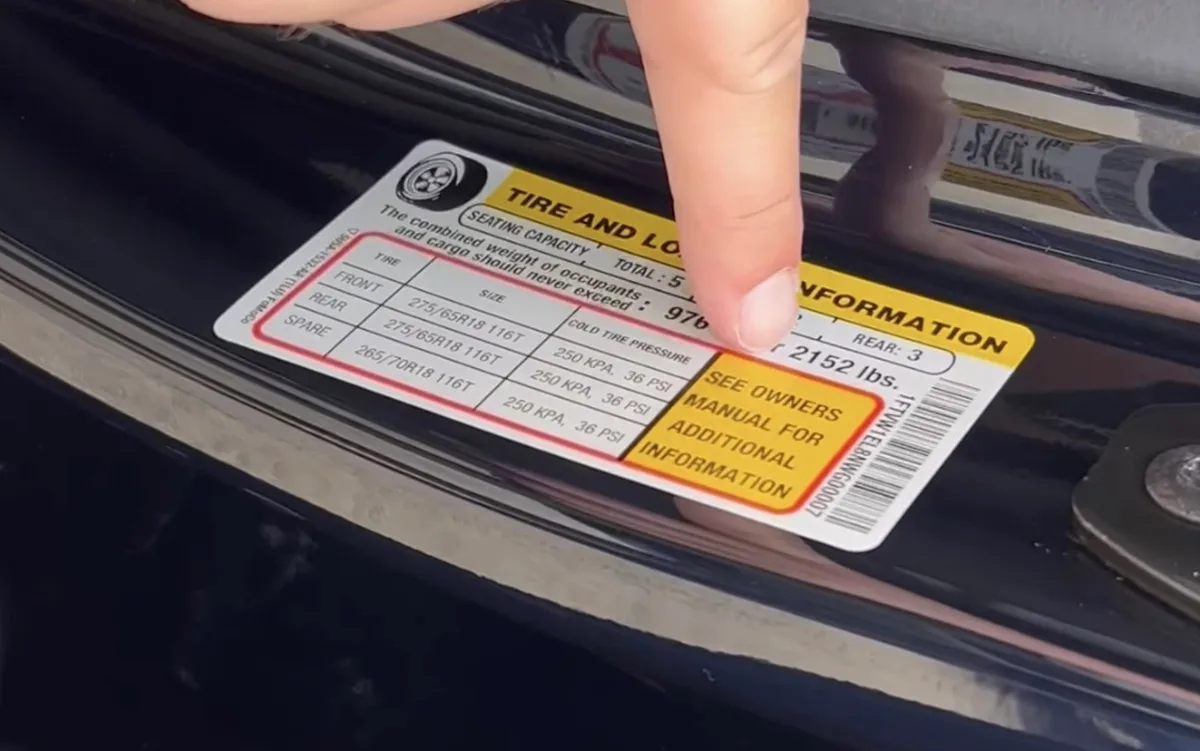
The takeaway? Longer beds and SuperCab models often carry more payload but tow less due to wheelbase and axle tuning. Always check your door jamb sticker, not the window sticker, for your truck’s actual numbers.
Real-World Towing Limits: Payload vs. Trailer Weight
Your trailer’s weight isn’t the only thing eating into your truck’s capacity, passengers, gear, and even fuel count against payload. Payload is the total weight your truck can carry, including the tongue weight of your trailer (typically 10, 15% of trailer weight). If your Tremor has a 1,670-pound payload and you’ve got three passengers (450 lbs), a full tank (100 lbs), and gear (200 lbs), you’ve already used 750 pounds. That leaves just 920 pounds for tongue weight, meaning your max trailer weight drops to around 7,300, 9,200 lbs, depending on hitch setup.
Overloading payload risks suspension failure, brake fade, and loss of control.
Best Use Cases for the F-150 Tremor’s Towing
The Tremor shines when you need both off-road access and serious towing. Think pulling a 9,000-pound travel trailer to a remote mountain campsite, hauling a 7,500-pound boat up a rocky boat ramp, or dragging a toy hauler with ATVs to a desert trailhead. It’s ideal for weekend warriors who don’t want to choose between adventure and utility. Contractors also benefit, it handles equipment trailers on job sites while still tackling muddy backroads.
Just remember: if you’re routinely towing over 8,000 pounds, consider whether the Tremor’s payload margin gives you enough safety buffer for real-world conditions.
How to Calculate Your Actual Towing Capacity
Don’t rely on the window sticker’s max number, your real towing limit lives on the door jamb sticker. That label lists your truck’s specific payload, GVWR, and tire ratings. To find your usable towing capacity, subtract the weight of passengers, cargo, fuel, and accessories from your payload. Then, divide what’s left by 0.10 to 0.15 (the typical tongue weight percentage).
For example, a Tremor with 1,670 lbs payload, minus 600 lbs for people and gear, leaves 1,070 lbs. At 12% tongue weight, that supports a ~8,900-lb trailer. Always round down, never up, for safety.
Common Mistakes That Wreck Your Towing Math
Overloading payload is the top error we see. Many owners forget that tongue weight counts against payload, not just trailer weight. Others ignore axle ratios, a Tremor with 3.55 gears won’t hold speed like one with 3.73s when climbing. Some skip the weight distribution hitch for trailers over 5,000 lbs, leading to dangerous sway.
And a surprising number don’t check their trailer’s actual weight; manufacturer dry weights exclude batteries, propane, and gear. Always weigh your loaded trailer at a CAT scale before hitting the road.
Factory Tech That Makes Towing Safer and Easier
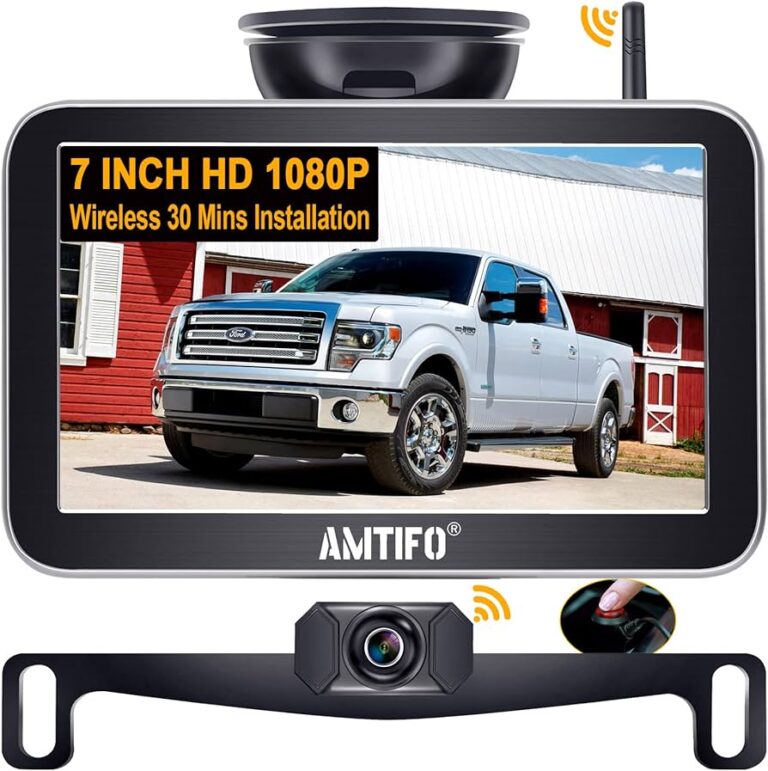
The Tremor comes standard with Ford’s Pro Trailer Backup Assist and an integrated brake controller, features that eliminate guesswork. The brake controller syncs with your trailer’s brakes, applying them proportionally to your truck’s deceleration. No more fumbling with aftermarket dials. Trailer Reverse Guidance uses the rear camera and sensors to show a predictive path, making tight maneuvers manageable.
These aren’t luxuries; they’re force multipliers that reduce stress and accident risk, especially for new towers.
Tremor vs. the Competition: Who Wins at Towing?
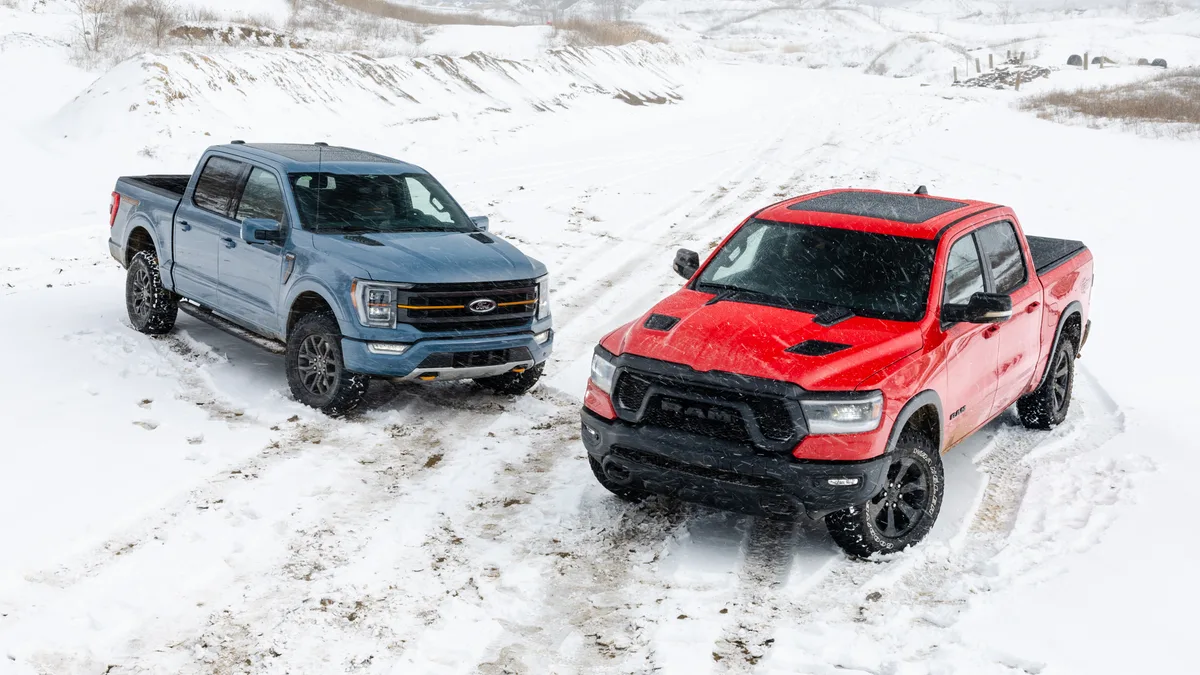
Against the Ram 1500 Rebel, the Tremor wins on torque and factory towing tech. The Rebel’s 3.0L EcoDiesel makes less horsepower and relies on aftermarket brake controllers in base trims. The Chevy Silverado 1500 Trail Boss matches the Tremor’s 11,500-lb max but lacks standard trailer guidance. The Toyota Tundra TRD Pro tops out at 9,520 lbs, solid, but not in the same league.
If you want max towing without stepping up to a heavy-duty truck, the Tremor’s balance is hard to beat.
What You’re Giving Up (And Gaining) vs. Other F-150 Trims
Compared to a Lariat with the Max Trailer Tow Package, the Tremor trades a bit of payload for off-road durability. The Lariat might offer 1,800+ lbs payload, but it rides on street-biased shocks and lacks skid plates. The Tremor’s suspension is tuned for rock crawling, not highway comfort, you’ll feel more bumps unloaded. But if your route includes dirt roads or steep grades, that trade is worth it.
The XLT with the same tow package costs less but misses the Tremor’s locking rear diff and upgraded cooling, critical for sustained heavy loads.
Final Verdict: Is the Tremor Right for Your Towing Needs?
The Tremor makes sense if you regularly tow between 6,000 and 9,000 pounds and need off-road access to reach your destination. It’s ideal for those who won’t compromise on trail capability but refuse to step up to a heavy-duty truck. If you’re mostly highway-towing a lightweight camper under 5,000 lbs, a Lariat or XLT with the tow package saves money and rides smoother. But for mixed-duty use, think weekend trail runs with a loaded toy hauler, the Tremor’s balance of strength, tech, and toughness is unmatched in its class.
When to Skip the Tremor for Another F-150 Trim
Choose the Lariat Max Trailer Tow if max payload is your priority. The Tremor’s off-road suspension and standard equipment eat into payload versus a similarly equipped Lariat. If you’re towing a large fifth wheel or gooseneck trailer regularly, the Super Duty’s higher GCWR and diesel torque become necessary. And if budget is tight, an XLT with the Max Trailer Tow Package delivers 90% of the capability for thousands less, just without the Tremor’s skid plates, locking rear diff, and trail-ready stance.
Maintenance Tips to Protect Your Towing Investment
After heavy towing, inspect your transmission fluid, the 10R80 runs hotter under load. Ford recommends checking it every 15,000 miles if you tow frequently, versus the standard 100,000-mile interval. Keep the rear differential fluid fresh; the electronic locker generates extra heat during prolonged use. And don’t ignore the cooling system, the Tremor’s auxiliary transmission cooler helps, but debris buildup on the radiator reduces efficiency.
A quick hose-down after muddy trips prevents overheating on long climbs.
Safety Checks Before Every Tow
Always verify trailer brake function by testing them at low speed in a safe area. Check tire pressures on both truck and trailer, underinflated trailer tires cause sway and blowouts. Confirm all lights work, including brake, turn, and marker lamps. Use a weight distribution hitch for trailers over 5,000 lbs and adjust it so the truck and trailer sit level.
And never exceed your door jamb payload, even if the trailer’s weight is within the advertised towing capacity.
Where to Find Your Truck’s Exact Ratings
Your door jamb sticker lists GVWR, GAWR, and tire ratings, but not towing capacity. For that, use Ford’s official towing guide and enter your VIN. The configurator cross-references your axle code, cab, bed, and options to give your precise number. Avoid third-party calculators; they often assume ideal conditions.
When in doubt, call a Ford dealer with your VIN, they can pull your build sheet and confirm your max tow rating in under five minutes.
Related posts:
 How Do Ball Joints Work: A Comprehensive Guide
 How Do I Know If My Clutch Cable Has Gone
 Can Spark Plugs Really Break Glass
 How Big of Tires Can I Fit on My F150? A Comprehensive Guide
 How Can I Protect My Windshield From Rock
 How Do Spark Plugs Break Windows
 How Far Can I Drive With A Bad Alternator
 How Far Can I Drive With A Blown Water Pump
 How Far Can I Drive With A Broken Serpentine Belt
 How Far Can You Drive With A Dead Battery
 How Far Can You Drive Without An Alternator
 How To Put Down Nissan Altima Back Seats