When it comes to owning a Nissan Altima, you’re likely already impressed with its comfort, performance, and style. But what if you need to transport larger items or just want to maximize your cargo space? Understanding how to put down Nissan Altima back seats, is a valuable skill. In this comprehensive guide, we’ll walk you through the process step by step, ensuring that you can do it safely and efficiently.
Key Takeaways: The release is almost always a pull tab or lever in the trunk, not on the seat itself. Fold the seatbelts out of the way, lower the rear headrests, pull the release, then push the seatback forward until it latches flat. The Altima uses a 60/40 split, so you can fold one side or both. If the seat won’t budge, check the seatbelt and the trunk-side cable before forcing it.
Safety Precautions
Before we delve into the process of putting down the back seats, it’s crucial to emphasize safety. Always prioritize safety when working inside your vehicle.
Firstly, ensure that your Nissan Altima is parked in a safe and level area. This helps prevent any accidental rolling or movement of the vehicle while you’re working on it. Additionally, make sure the engine is turned off to avoid any unexpected surprises.
As you prepare to put down the back seats, take a moment to remove any obstructions from the rear seat area. This will make the process smoother and help you avoid damaging any items. If you have child car seats installed, be especially cautious, as there may be specific steps or considerations for securing them during this process.
Tools and Materials
Fortunately, putting down the back seats in your Nissan Altima doesn’t require a toolbox full of specialized tools. However, having the following tools and materials on hand will make the process easier:
Your Nissan Altima: Of course, you’ll need your car to perform this task.
Owner’s Manual: Your owner’s manual is an invaluable resource. It often contains specific instructions and diagrams related to your vehicle’s features, including how to put down the back seats.
Safety Equipment: Consider having safety equipment such as gloves and safety glasses on hand, especially if you’re dealing with any potential sharp edges or if the seats are dusty or dirty.
Model-Year Differences at a Glance
The release location and folding behavior vary slightly by generation. Use this table to find your Altima, then follow the matching steps below.
Model Years
Generation
Release Location
Split
2007-2012
Fourth generation (L32)
Pull tab in the trunk, on the seatback or parcel shelf
60/40 split
2013-2018
Fifth generation (L33)
Pull tab in the trunk; some trims add a cabin-side lever
60/40 split
2019-present
Sixth generation (L34)
Pull tab in the trunk, plus a cabin-side release on many trims
60/40 split
Steps to Put Down the Back Seats
Now that you’ve taken the necessary safety precautions and gathered your tools and materials, let’s dive into the step-by-step process of putting down the back seats in your Nissan Altima.
Step 1: Release the Seatbelts
Before you can fold down the back seats, it’s essential to release the seatbelts that may be securing the seats. Locate the seatbelt buckles and unbuckle them. This step ensures that the seatbelts won’t hinder the folding process.
Step 2: Fold the Rear Headrests (if applicable)
Some Nissan Altima models come with rear headrests that can be adjusted or folded down. If your model has these, you should fold them down to create a flat surface when the seats are lowered. Consult your owner’s manual for instructions specific to your vehicle.
Step 3: Locate the Seat Release. This is where most people get stuck, because the release is not where you’d expect. On nearly every Altima, the release is a pull tab or lever inside the trunk, on the underside of the rear parcel shelf or on the seatback itself facing the trunk. Open the trunk and look along the top edge of the seatback, near the outer corners. You will see a tab, strap, or small lever for each side of the 60/40 split. A small number of trims also have a cabin-side release lever on the shoulder of the seatback, reachable from the rear door. If you cannot find it, check your owner’s manual for your specific model year.
Step 4: Release the Seatbacks. Pull the trunk-side tab or lever firmly toward you. You should hear or feel the latch disengage. On some model years the tab must be pulled while you simultaneously push the seatback forward slightly to unload the latch. If the tab feels slack or does nothing, the release cable may be stretched or disconnected, which is covered in the troubleshooting section below.
Step 4: Release the Seatbacks
Once you’ve identified the seat release levers, it’s time to release the seatbacks. To do this, simply pull the levers in the direction indicated by the manufacturer’s instructions. It’s important to note that different Nissan Altima models may have slightly different mechanisms, so consult your owner’s manual if you encounter any difficulties.
Step 5: Fold Down the Seats
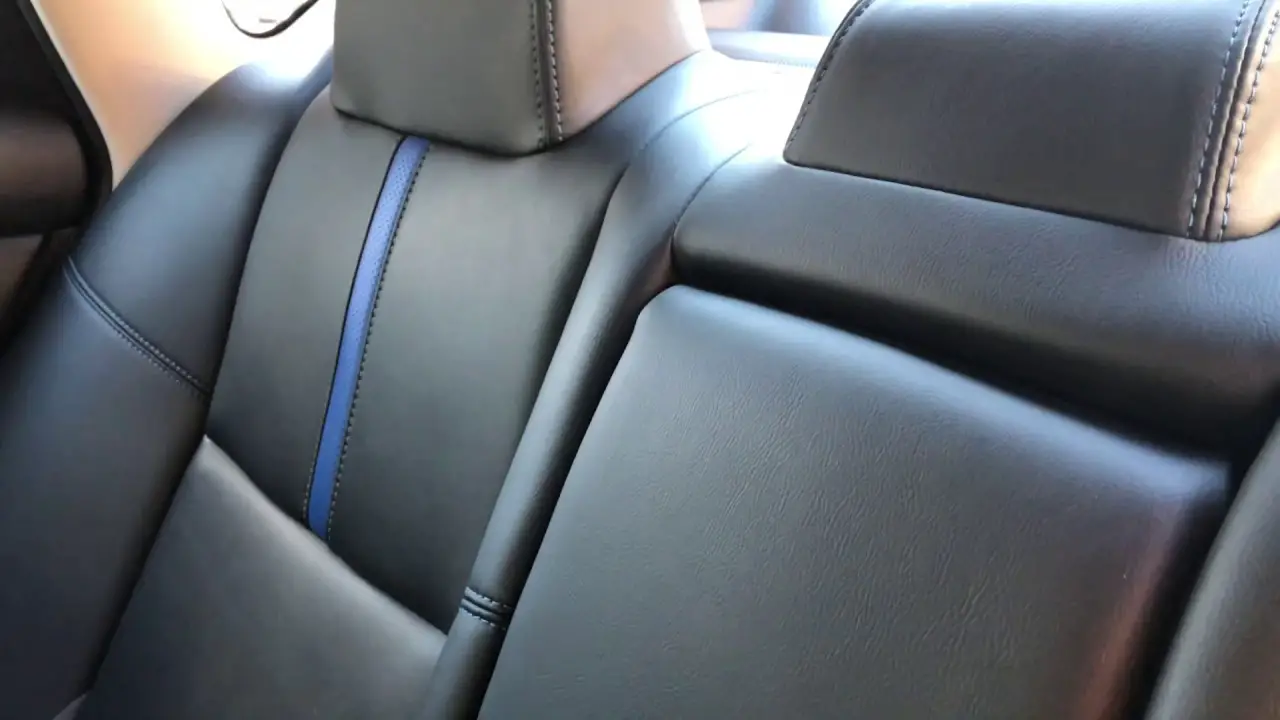
Step 5: Fold Down the Seats. With the latch released, push the seatback forward and down. The Altima seatback folds forward to rest on the rear seat cushion. It does not fold perfectly flat into the floor like some SUVs, so expect a slight upward angle at the hinge and a small step where the seatback meets the trunk floor. Push until you feel the seatback settle; do not slam it, as the hinge and latch are light-duty.
Cargo Space and Dimensions After Folding
Folding the rear seats opens a pass-through from the trunk into the cabin. The exact usable length depends on where you set the front seats, but the load floor runs from the trunk lip to the back of the front seats. The seatback rests at a slight angle rather than flat, so tall items may need to be tilted. Measure your own opening before loading anything valuable, and remember the trunk lid still has to close.
Step 6: Secure the Seats (if necessary)
In some cases, especially when folding down the rear seats to transport larger items, you may need to secure the seats in their folded position. Some Nissan Altima models feature straps or locking mechanisms that help keep the seats securely in place. If your vehicle has such a feature, be sure to use it to prevent any movement during transit.
Step 7: Double-check and Test the Seats
Before hitting the road with your back seats folded down, it’s essential to double-check and test the seats for security. Give each seat a gentle push to ensure they are firmly locked in place. This step is crucial for your safety and the safety of any passengers or cargo you’re carrying.
Safety Tips and Raising the Seats Back Up
Never fold the seats while the vehicle is moving, and never let a passenger sit on a folded seatback. Secure all cargo so it cannot slide forward into the cabin under braking, and keep the seatbelts routed correctly so they are not trapped behind the seatback.
To raise the seats, lift the seatback upright and push it back firmly until the latch clicks and locks. Tug the top of the seatback to confirm it is secure, then reinstall the headrests and pull the seatbelts back into their normal position. If the seatback will not latch, check that the seatbelt is not caught in the mechanism.
Tips and Troubleshooting
While the process of putting down the back seats in your Nissan Altima is generally straightforward, there are some tips and troubleshooting steps to keep in mind:
Seat won’t release: Check that the rear seatbelt is fully retracted and not caught in the latch. Then check the trunk-side release cable, which can stretch or pop off its clip over time. A stuck latch can often be freed by pushing the seatback rearward while pulling the tab.
Seat folds but won’t stay down: The seatback is designed to rest on the cushion, not lock in the folded position. If it springs back up, the hinge may be obstructed or the seat cushion is sitting too high.
Only one side folds: That is normal on the 60/40 split. The wider 60 percent section and the narrower 40 percent section release independently.
Maximizing cargo space: Fold both sections and remove the rear headrests if your model allows, then slide the front seats forward. This gives you the longest usable load floor.
Do not force it: If the seatback resists, stop and look for an obstruction or a seatbelt routed through the latch. Forcing it can bend the release cable.
Conclusion
Knowing how to put down the back seats in your Nissan Altima can significantly enhance your vehicle’s versatility and make it easier to transport larger items. By following the steps outlined in this guide and prioritizing safety at all times, you can confidently and efficiently fold down the back seats whenever the need arises. Remember to consult your owner’s manual for model-specific instructions, especially if your Altima is an older model year with a different release location.
FAQ:
How do you put the back seat down in a Nissan Altima?
To put the back seat down in a Nissan Altima, locate the seat release levers, pull them, and then fold the seatbacks forward.
Can a Nissan Altima back seat fold down?
Yes, the back seat in a Nissan Altima can fold down to create extra cargo space.
Do the seats in a Nissan Altima go down?
Yes, the seats in a Nissan Altima can be folded down for added cargo capacity.
How do you put the back seats down in a 2023 Altima?
To put the back seats down in a 2023 Altima, locate the seat release levers, pull them, and fold the seatbacks forward as in previous models.
The Ford F-150 Tow Package typically includes a Class IV trailer hitch receiver, 7-pin wiring harness, and often an upgraded trailer brake controller, Pro Trailer Backup Assist, and Smart Trailer Tow Connector for enhanced towing capabilities. The Ford F-150 Tow Package is like giving your truck a superhero cape—it turns a strong truck into a…
Finding the right LED headlights for your Ford F-150 shouldn’t feel like hunting for a needle in a haystack or worse, driving with a flashlight taped to your hood. We’ve spent hours digging through reviews, comparing features, and testing out the top options to help you light up the road with confidence. If you want…
As a proud owner of a Ford F150, you know these trucks are built tough, but even the most robust vehicles can throw a check engine light or other warning. When that happens, having the best code reader for Ford F150 at your fingertips can save you time, money, and a trip to the mechanic….
A Ford F150 that won’t start almost always falls into one of four patterns: it cranks but won’t fire, it clicks once or rapidly, it’s completely dead with no crank, or it starts and then dies. Each pattern points to a different system, so matching your symptom first saves you from replacing parts you don’t…
What are spring chains for tires? Spring chains for tires, also known as snow chains, are traction devices composed of springs, cross chains, and side chains. They enhance tire grip on snowy or icy roads, improving safety and control during winter driving. Driving in harsh winter conditions can be a challenging and sometimes perilous endeavor….
If your F150 is not starting, the most common causes are battery, battery cable, and alternator problems. Common Causes Of A Non-starting F150 If you find yourself in a situation where your Ford F150 won’t start, there can be several potential causes behind it. Here are the most common reasons why your F150 may not…

How Far Can You Drive Without an Alternator? Real Distances
What is Trailer Backup on Ford F150: Expert Guide for Safe Maneuvering
How to Replace Rear Sliding Window Ford F150: The Ultimate Guide
How Many O2 Sensors Does a Ford F150 Have
What is 4A on F150: Unleashing the Power of 4A in Your Ford F150
What Are Cam Phasers F150
Best Aftermarket Radio For 2013 Ford F150: Expert Picks
Best Floor Jack for F150
How to Get a Spare Tire off a Ford F150
5 Best Ford F150 Bed Covers: Expert Picks & Quality Tested
Best Tuners for Ford F150 EcoBoost to Boost Performance