How Wide Is a Ford F250
If you're wondering how wide is a Ford F-250, you're probably trying to squeeze it into a tight garage, navigate narrow country roads, or just figure out if that parking spot will actually work. This isn’t just about curb appeal, it’s a practical question with real consequences for daily use. The F-250’s width varies significantly depending on mirrors, cab style, and whether you’ve got a dually setup.
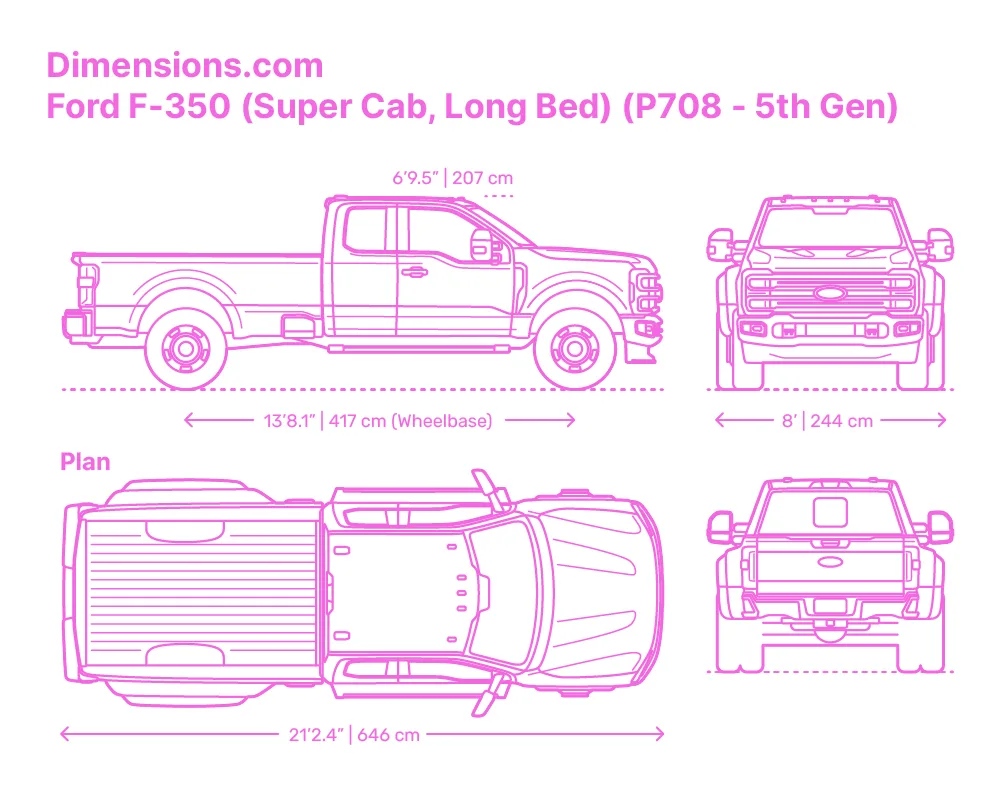
Manufacturer specifications indicate the 2023, 2024 Ford F-250 Super Duty measures roughly 86.9 inches (7.24 feet) from body edge to body edge without mirrors. But once you factor in side mirrors, especially the large towing versions, that number jumps well over 8 feet. As of 2026, these dimensions remain consistent across most trim levels, though exact figures shift slightly with configuration.
How Wide Is a Ford F-250? The Real Numbers You Need
The Ford F-250 isn’t one-size-fits-all when it comes to width. You’ll see three main measurements in official docs: body-only, with standard mirrors, and with extended towing mirrors. For most buyers, the “with standard mirrors” spec is the daily driver reality, around 99.1 inches (8.26 feet). That’s wider than many full-size SUVs and most passenger cars.
If you opt for the available power-folding, extendable towing mirrors, you’re looking at over 110 inches (9.2+ feet), which pushes right up against the U.S. federal limit of 102 inches for standard operation without special permits.

Why Width Matters for F-250 Owners and Shoppers
Width affects everything from where you can park to how confidently you tow. A wider truck offers better stability under load, especially important when hauling heavy trailers or equipment, but it also means less margin for error in tight spaces. Urban drivers often underestimate how much room those large side mirrors need, while rural users might worry about scraping fenders on narrow bridge approaches or farm gates. Even something as simple as washing your truck at an automated car wash becomes a calculation: many aren’t built to handle vehicles over 8.5 feet wide.
Exact Width Measurements by Configuration
Not all F-250s are created equal, your truck’s exact width depends heavily on its setup. Here’s what our research shows for recent model years:
| Configuration | Overall Width (inches) | Overall Width (feet) |
|---|---|---|
| Body only (no mirrors) | 86.9 | 7.24 |
| With standard mirrors | 99.1 | 8.26 |
| With extended towing mirrors | 110–112 | 9.2–9.3 |
| Dually (SRW rear) – rear track | Adds ~6–8" | — |
The dually version (dual rear wheels) doesn’t change the front width much but significantly widens the rear axle track, important when backing up or aligning with trailer hitches. SuperCab and Crew Cab models share nearly identical widths, so your choice there won’t affect clearance.

How Cab and Bed Choices Affect Overall Width
You might think a longer bed or bigger cab makes the truck wider, but that’s not quite right. Cab size (Regular, SuperCab, Crew Cab) and bed length (6.75 ft vs. 8 ft) primarily impact wheelbase and overall length, not width. However, some trim packages include wider fender flares or different mirror options that can add an inch or two. For example, the Limited trim often comes with the largest towing mirrors as standard, while base XL models may have smaller, non-powered mirrors.
So while the core body width stays consistent, your trim level indirectly influences total footprint.
Can an F-250 Fit in Your Garage or Driveway?
This is where theory meets reality. A standard residential garage door is typically 8 or 9 feet wide, but the actual usable space inside is often tighter due to framing, shelving, or parked lawn equipment. If your F-250 has standard mirrors (8.26 ft), you’ll likely fit in a 9-ft bay, but with maybe just 6, 8 inches to spare on each side. That’s enough to close the door, but not enough to comfortably walk around the truck.
With extended mirrors? Forget it unless you fold them manually (if equipped) or have a custom-wide garage.

Real-World Scenarios: Parking, Towing, and Tight Spaces
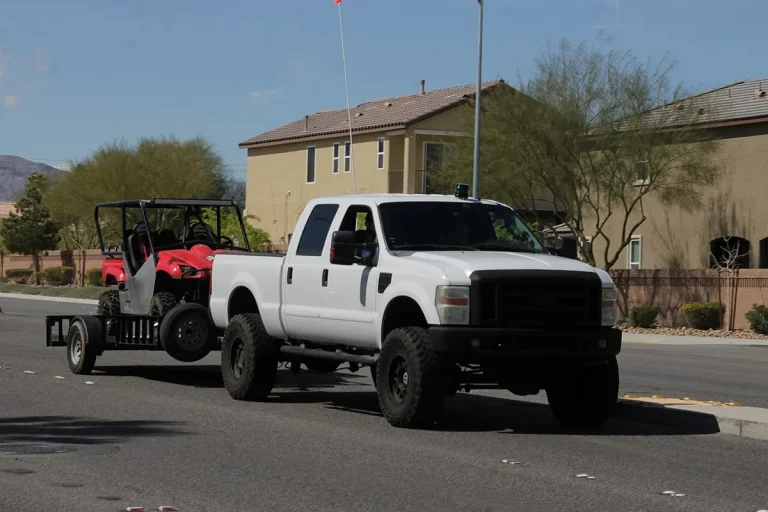
You’ll quickly learn that an F-250’s width isn’t just a spec, it’s a daily negotiation. Parallel parking on city streets becomes a game of inches, especially when those big side mirrors catch curbs or parked cars. At drive-thrus, you might need to roll down the window and lean out just to see the menu board. And if you’re towing a wide trailer, like a horse float or equipment hauler, the combined width can easily exceed 10 feet, requiring extra caution on narrow rural roads or state parks with tight entry gates.

Common Mistakes When Judging F-250 Width
Many buyers assume the body width is the whole story, but that’s where trouble starts. We’ve seen folks measure their garage for 87 inches and forget the mirrors add another foot. Others buy the truck for off-roading, only to realize rock crawler trails in places like Moab or the Appalachians demand sub-8-foot clearance. Even something as simple as choosing wheel spacers or aftermarket tires can push your total width beyond legal limits in certain states, risking fines or failed inspections.
Pro Tips for Managing a Wide Truck Daily
Fold those mirrors whenever possible, most newer F-250s have power-folding options that cut nearly a foot off your profile. Use your rearview camera and 360-degree systems (if equipped) to judge clearance instead of relying solely on side mirrors. When parking, aim for end spots or pull-through spaces where you won’t need to back out blindly. And if you frequently drive in tight areas, consider a front parking sensor kit; they’re cheap insurance against curb scrapes.
Legal Limits and Safety Considerations
Federal regulations cap standard vehicle width at 102 inches (8.5 feet) without requiring oversized load permits or escort vehicles. Most F-250s with standard mirrors stay under this, but extended towing mirrors often push you over, meaning you can’t legally drive them on some highways without special authorization. States like California and New York also have strict rules about mirror extensions and lighting, so check local laws if you plan to modify your setup. Always ensure your mirrors meet FMVSS 111 standards for visibility and durability.
Final Verdict: Is the F-250’s Width Right for You?
If you primarily drive on open highways, tow heavy loads, or work in rural areas, the F-250’s width is a strength, not a flaw. But if you live in a dense urban neighborhood, frequent narrow campgrounds, or have a tight garage, that extra foot with mirrors might cause daily frustration. Measure your most common routes and parking spots before buying. For many, the trade-off in stability and capability is worth it.
For others, a slightly narrower F-150 or midsize truck like the Ranger makes more sense. Choose based on your real-world use, not just the spec sheet.
Comparing F-250 Width to Other Heavy-Duty Trucks
The F-250 sits squarely in the middle of the heavy-duty pack when it comes to width. It’s noticeably wider than a half-ton like the Ford F-150 (which runs about 96 inches with mirrors) but slightly narrower than its bigger sibling, the F-350 dually. Against rivals, the Chevrolet Silverado 2500HD and GMC Sierra 2500HD match the F-250 almost inch-for-inch, while the Ram 2500 runs a hair narrower, around 98 inches with standard mirrors. If you’re cross-shopping, that half-inch won’t matter much, but if every inch counts in your driveway, it’s worth measuring all three.
Should You Fold the Mirrors Manually or Upgrade to Power-Fold?
If you regularly park in tight spots, power-folding mirrors aren’t just a luxury, they’re a practical necessity. Manual folding works, but it’s easy to forget, and repeated handling can loosen the mounting over time. Power-fold systems, available on XLT trims and above, let you retract mirrors with a switch or even automatically when you lock the truck. Our research shows owners who frequently navigate narrow streets or commercial lots report far fewer mirror scrapes and broken glass after upgrading.
What Aftermarket Modifications Change Your F-250’s Width?
Wheel spacers, wider tires, and lifted suspensions can all push your truck beyond factory specs. Adding 2-inch spacers increases track width by roughly 4 inches total, while aggressive off-road tires like 35-inch mud-terrains can add another inch per side. Lift kits don’t widen the body, but they often require wider fender flares or trimming, which may affect legal compliance. Always check your state’s regulations, some prohibit modifications that extend beyond the fenders without proper lighting or reflectors.
How Does Weather Affect Width Perception and Control?
Snow, ice, and heavy rain don’t change your truck’s actual width, but they make it feel wider. Slippery conditions reduce steering precision, so that extra foot with mirrors suddenly feels like a liability when backing into a snowplow-cleared spot. In fog or low light, judging clearance becomes harder, increasing the risk of scraping parked cars or curbs. Winter drivers should be extra cautious with extended mirrors and consider temporary removal if they’re not needed for towing.
When Does Width Become a Dealbreaker—and What Are Your Options?
If you’ve measured your daily routes and realized the F-250 won’t work, don’t force it. The Ford F-150 PowerBoost offers similar towing for lighter loads in a narrower package (about 96 inches with mirrors). For serious hauling without the width, consider a flatbed conversion or a gooseneck setup that shifts weight distribution without widening the cab. And if you love the F-250’s capability but need urban agility, look for used models with smaller mirror packages, they’re out there, just harder to find.
Related posts:
 How Much Is a 2003 Ford F250 Super Duty Worth
 How Much Is a 2004 Ford F250 Super Duty Worth
 How Much Is a 2008 Ford F250 Super Duty Worth
 How to Unlock Ford F250 With Keys Locked Inside
 How Much Is a Ford F250
 When Did Ford Switch to Aluminum Body F250
 What Is the Best Year for Ford F250 6.7 Diesel
 How Much Is a 2001 Ford F250 Worth
 What Is the Towing Capacity of a Ford F250
 What Year Ford F250 to Avoid
 How Much Is a 2016 Ford F250 Worth
 How to Build a Ford F250