How Long Is a Ford F250 Crew Cab
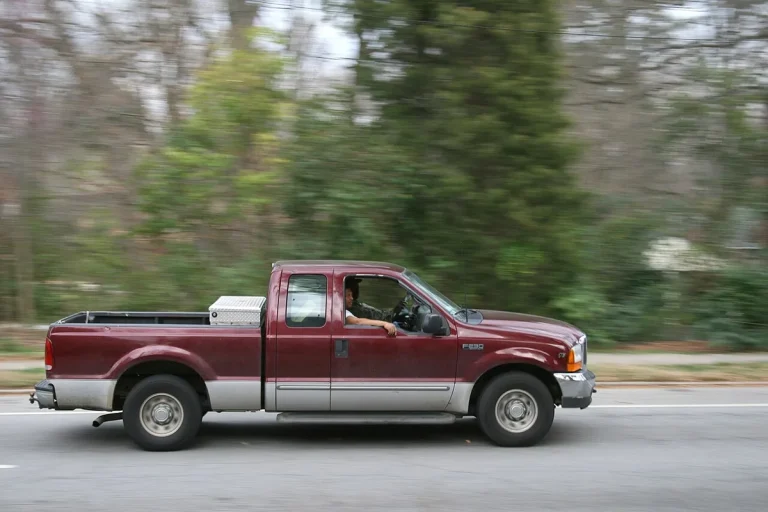
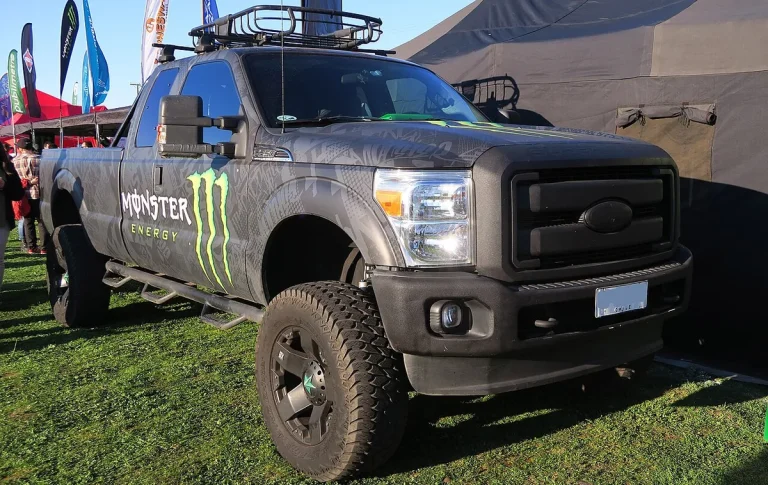
If you're wondering how long is a Ford F-250 Crew Cab, you're probably trying to figure out whether it’ll fit in your garage, squeeze into tight job sites, or handle your usual parking spots. This isn’t just about curb appeal, it’s a practical question with real consequences for daily use. The F-250 Crew Cab is one of the most capable full-size pickups on the road, but that capability comes with size.
Manufacturer specifications indicate the 2024 Ford F-250 Super Duty Crew Cab measures between 250 and 264 inches long, depending on bed configuration. That’s over 20 feet even in its shortest form, so understanding those numbers, and what they mean in real life, matters before you commit. Let’s break down exactly what you’re working with.
Quick Answer: F-250 Crew Cab Length at a Glance
You don’t need to dig through manuals or guess from photos. Here’s the straight scoop on Ford F-250 Crew Cab length as of 2026:
- Standard Bed (6.75 ft): ~250 inches (20.8 feet) overall length
- Long Bed (8 ft): ~264 inches (22 feet) overall length
- Wheelbase: 176 inches across all Crew Cab models
These figures hold steady across recent model years, so whether you’re looking at a 2020 or a 2024, you can expect nearly identical dimensions. The wheelbase, the distance between front and rear axles, is especially important because it affects stability when towing or hauling heavy loads. A longer wheelbase like the F-250’s reduces bounce and sway, which is why it’s a favorite among contractors and RV owners.
Why the F-250 Crew Cab’s Length Matters
This truck isn’t just big, it’s purpose-built for work, and that means its size directly impacts how and where you can use it. If you’ve ever tried to parallel park a full-size pickup in a city alley or back into a narrow driveway, you know length isn’t just a number, it’s a daily consideration.
For starters, most standard residential garages are built for vehicles under 20 feet. The F-250 Crew Cab exceeds that by nearly a foot in its shortest configuration. That extra length means you might not close the garage door fully, or you’ll need to leave the tailgate down, which introduces security and weather risks. On job sites, tight turns become harder, and rural driveways with sharp angles can turn into three-point-turn nightmares.
But there’s a trade-off: that same length gives you exceptional towing stability. When hooked up to a fifth-wheel trailer or a heavy equipment hauler, the F-250’s long wheelbase keeps things planted. So while maneuverability takes a hit, safety and control under load improve significantly. It’s a classic work-truck compromise, built for function, not convenience.
F-250 Crew Cab Length by Model Year and Bed Option
Not all F-250s are created equal when it comes to length, even within the Crew Cab lineup. The key variable is bed size, but minor tweaks across model years also play a role. Here’s how it breaks down for the current Super Duty generation (2017, 2024):
| Bed Type | Overall Length (inches) | Overall Length (feet) |
|---|---|---|
| Standard (6.75 ft) | 249.9–250.2 | ~20.8 |
| Long (8 ft) | 263.9–264.2 | ~22.0 |
The wheelbase remains consistent at 176 inches regardless of bed length or trim level. That means rear passenger space and cargo bed depth change, but the fundamental chassis geometry stays the same. Why does this matter? Because if you’re comparing a used 2018 model to a new 2024, you won’t find meaningful differences in length, just potential updates to tech, suspension, or towing capacity.
One thing to watch: earlier Super Duty models (pre-2017) were slightly shorter, so if you’re shopping used, double-check the year. But for anything from 2017 onward, you can rely on these numbers.
Crew Cab vs. Other F-250 Cab Configurations
The Crew Cab is Ford’s largest cab option, but it’s easy to confuse it with the SuperCab or Regular Cab, especially when browsing listings that don’t clearly label dimensions. Here’s how they stack up:
- Crew Cab: 4 full-size doors, 6-passenger seating, 176-inch wheelbase, ~250, 264 inches long
- SuperCab: 2 small rear access doors, tighter rear legroom, 156, 164-inch wheelbase, ~236, 250 inches long
- Regular Cab: 2 doors, 3-passenger max, 141, 156-inch wheelbase, ~226, 231 inches long
If passenger comfort or rear storage matters, the Crew Cab wins, but it pays for that space with added length. The SuperCab might seem like a middle ground, but its shorter wheelbase makes it less stable when towing heavy trailers. And the Regular Cab? Great for pure work duty, but not ideal if you regularly carry passengers or need rear-seat storage.
Chassis Cab models (used for flatbeds or utility upfits) can be even longer due to extended frames, but those are niche builds and not typical for everyday drivers.
Real-World Use Cases: When Length Becomes Critical
You might think “it’s just a truck,” but in practice, the F-250’s size shows up in everyday frustrations, or advantages, depending on your situation.
Garage parking is the most common pain point. A standard two-car garage door is about 16 feet wide, and interior depth often runs 20, 22 feet. The F-250 Crew Cab with the standard bed will fit, but you’ll have less than 15 inches to spare when the door closes. Add a trailer hitch or bike rack, and you’re suddenly outside.
Many owners resort to parking at an angle or leaving the garage door open, neither ideal for security or weather protection.
On off-road trails, width and turning radius matter more than pure length, but the F-250’s 52, 56-foot turning circle (curb-to-curb) means you’ll need wide fire roads or open spaces to reverse direction. In dense forests or rocky terrain, that can limit access compared to shorter trucks like the Toyota Tundra or Ford Ranger.
For commercial fleets, the length is less of an issue, job sites often have dedicated truck parking, and drivers prioritize payload and durability over maneuverability. But for weekend warriors who also use their truck for daily driving, the trade-offs are real.
And don’t forget trailer compatibility. If you’re towing a gooseneck or fifth-wheel, the bed length affects how tightly you can turn without jackknifing. The 6.75-foot bed offers better clearance, while the 8-foot bed gives more cargo space but reduces trailer maneuverability in tight quarters.
Common Mistakes When Judging F-250 Size
It’s easy to underestimate just how much space this truck needs. Many buyers assume that because they’ve driven full-size pickups before, they know what to expect, but the F-250 Crew Cab is in a different league. One frequent error is forgetting that mirrors, bumpers, and accessories add real inches. Factory tow mirrors alone can extend width by over 12 inches, and a rear bumper with integrated step adds length you won’t see in spec sheets.
Another trap is confusing the F-250 with the lighter-duty F-150. While both offer Crew Cab options, the F-150’s wheelbase tops out around 157 inches, nearly 20 inches shorter than the F-250’s. That difference shows up instantly when trying to back into a driveway or fit between narrow garage walls. And don’t rely on visual estimates: photos flatten perspective, making trucks look smaller than they are.
Always check published dimensions, not impressions.
Finally, some shoppers overlook model-year updates. Ford made minor tweaks to the Super Duty platform between 2017 and 2024, but the core dimensions stayed consistent. Still, if you’re comparing a 2015 to a 2023, you might find a 3, 4 inch difference, enough to matter in tight spaces.
How to Measure Your Space for an F-250 Crew Cab
Before you commit, measure twice. Start with your garage: use a tape measure to check interior depth from the door to the back wall, and note any obstructions like water heaters, shelving, or electrical panels. A standard 20-foot garage bay leaves less than 14 inches of clearance with an F-250 Crew Cab standard bed, tight, but workable if you park carefully.
For parking spots, consider turning radius, not just length. The F-250 needs a 52, 56-foot curb-to-curb turning circle, so alleys, supermarket lanes, or angled spots may require multiple maneuvers. Test this by walking the route with a measuring wheel or using Google Street View to scout clearance. If you tow regularly, add trailer length into your calculations, fifth-wheel setups can push total rig length past 35 feet.
Don’t forget outdoor storage. If you keep the truck in a driveway, check for overhanging trees, mailboxes, or narrow gates. And if you use public lots, look for “oversize vehicle” sections, many don’t accommodate trucks over 21 feet.
F-250 Crew Cab vs. Competitors: Size Comparison
When shopping heavy-duty pickups, length differences seem small on paper but feel huge in practice. Here’s how the F-250 Crew Cab stacks up against its closest rivals in standard bed configuration:
| Truck Model | Crew Cab Length (in) | Wheelbase (in) | Turning Diameter (ft) |
|---|---|---|---|
| Ford F-250 | 250 | 176 | 52–56 |
| Chevy Silverado 2500 | 250 | 172 | 50–54 |
| Ram 2500 | 250 | 172 | 50–54 |
| GMC Sierra 2500 | 250 | 172 | 50–54 |
All four trucks sit at roughly 250 inches long, but the F-250’s longer wheelbase gives it an edge in towing stability, especially with heavy gooseneck or fifth-wheel loads. However, that same wheelbase makes it slightly less nimble in tight turns. The Silverado and Ram offer marginally better maneuverability, which matters if you frequently drive in cities or narrow job sites.
For payload and towing, though, the F-250 often leads its class. Its high-strength steel frame and available 7.3L V8 or 6.7L Power Stroke diesel let it handle heavier loads without sacrificing ride quality. So if your priority is capability over convenience, the F-250’s size becomes an advantage, not a drawback.
Pro Tips for Living with a Long Truck
You don’t have to fight your truck’s size, you just need to work with it. Start by equipping it with the right tech: a 360-degree camera system and front/rear parking sensors are worth every penny. These help you visualize blind spots when squeezing into tight spots or aligning for trailer hookups. Many 2020+ F-250 trims offer these as options, and they’re almost essential for urban drivers.
Practice makes perfect. Find an empty parking lot and rehearse three-point turns, backing into angled spots, and parallel parking (yes, it’s possible, just not easy). You’ll build muscle memory for how much space the truck really needs. And when shopping for accessories, choose low-profile options: flush-mount running boards, recessed hitch receivers, and fold-flat mirrors reduce overall footprint without sacrificing utility.
Finally, plan your routes. Use navigation apps that filter for truck-friendly roads, avoiding low bridges, narrow tunnels, or weight-restricted routes. Apps like Trucker Path or CoPilot GPS let you input your vehicle’s height, width, and weight to avoid surprises. A little prep goes a long way when you’re driving something that barely fits in some spaces.
Final Verdict: Is the F-250 Crew Cab Right for Your Space?
This truck shines when you need serious hauling power, passenger room, and towing confidence. If you regularly tow trailers over 15,000 lbs, carry tools or materials in the bed, or transport a crew, the F-250 Crew Cab’s length is a feature, not a flaw. Its stability under load beats shorter trucks hands down, and the interior comfort makes long hauls bearable.
But if you mostly drive in tight urban areas, park in compact garages, or rarely use the bed, that extra length becomes a daily hassle. In those cases, consider a SuperCab F-250 or even stepping down to an F-150. Measure your actual usage against your space constraints, don’t let capability override practicality.
Ultimately, the F-250 Crew Cab is built for people who prioritize function over form. If your lifestyle matches that mission, its size won’t feel like a compromise, it’ll feel like exactly what you need.
How Turning Radius Affects Daily Driving
You might not think much about turning radius until you’re stuck in a dead-end alley or trying to reverse out of a crowded lot. The F-250 Crew Cab’s 52, 56-foot curb-to-curb turning circle means you’ll need wide, open spaces to change direction without multiple maneuvers. That’s fine on a farm or construction site, but in a suburban cul-de-sac or downtown parking garage, it becomes a real constraint.
Compare that to lighter trucks: a Ford F-150 Crew Cab turns in about 47, 50 feet, and midsize trucks like the Toyota Tacoma need just 40, 44 feet. The difference shows up instantly when you’re trying to squeeze into a tight spot or avoid oncoming traffic. If your daily route includes narrow streets, frequent U-turns, or crowded lots, that extra 6, 10 feet of turning radius adds up fast.
The good news? Modern F-250s come with electronic aids like trailer sway control and integrated backup cameras that help compensate. But they don’t shrink physics, you still need space to pivot. Plan accordingly, especially if you’re new to heavy-duty trucks.
Bed Length Trade-Offs: 6.75 ft vs. 8 ft
Choosing between the standard and long bed isn’t just about cargo capacity, it directly impacts how the truck handles and where it fits. The 6.75-foot bed keeps overall length at ~250 inches, making it slightly easier to park and maneuver. It’s also better for towing fifth-wheel trailers, since the shorter bed provides more clearance between the cab and trailer nose.
The 8-foot bed adds 14 inches of cargo space, which is great for hauling lumber, tools, or equipment without needing a trailer. But that extra length pushes the truck to 264 inches, reducing garage compatibility and increasing the risk of scraping curbs or obstacles when turning. If you rarely carry long items, the standard bed is the smarter, more versatile choice.
One overlooked factor: bed height. Both configurations sit high off the ground, so loading heavy items requires ramps or assistance. But the 8-foot bed’s added weight can slightly affect fuel economy and rear suspension sag when unloaded, something to consider if you’re not consistently using the full payload.
Payload and Towing: Does Size Equal Strength?
Yes, but with caveats. The F-250 Crew Cab’s longer wheelbase and reinforced frame let it handle heavier loads than shorter trucks. Manufacturer specs confirm a max payload of up to 4,260 lbs and towing capacity exceeding 20,000 lbs when properly equipped. That’s enough for large RVs, heavy equipment, or multiple tons of material.
However, those numbers depend on configuration. A diesel engine, gooseneck hitch, and heavy-duty suspension package are often required to reach peak ratings. And while the long wheelbase improves stability, it doesn’t eliminate the need for weight distribution hitches or sway controls when towing near max capacity.
Real-world performance also depends on terrain. On steep grades or uneven ground, the truck’s length can make it harder to maintain traction or clear obstacles. Always match your setup to your typical load, don’t assume the F-250’s size automatically means it’s overbuilt for your needs.
Garage Fit Guide: Will It Actually Fit?
Measure your garage interior, not just the door. A typical two-car garage is 20, 22 feet deep, but obstructions like water heaters, shelving, or HVAC units can reduce usable space. With an F-250 Crew Cab standard bed, you’ll have about 12, 18 inches of clearance when parked straight, enough to close the door, but tight.
If your garage is shorter than 20 feet, consider alternatives: parking at an angle (if width allows), using a carport, or installing a garage door extension. Some owners add rear-facing cameras or laser guides to help align precisely. And never ignore side clearance, side mirrors add over a foot to each side, so narrow doors or close walls become hazards.
For rural or commercial properties with larger outbuildings, fit is rarely an issue. But in urban or suburban settings, even small miscalculations lead to daily frustration. When in doubt, visit a dealership and sit in the truck while measuring your actual space.
Accessories That Change Overall Dimensions
Factory specs don’t account for add-ons, and they can significantly alter how the truck fits in real life. Tow mirrors, for example, extend width by 12, 15 inches and add 4, 6 inches to overall length when folded out. Similarly, aftermarket bumpers, bull bars, or tire carriers can push the front or rear beyond published measurements.
Roof racks, light bars, or snorkels increase height, critical if you park under low carports or in underground garages. Even bed liners or toolboxes can reduce effective cargo length, forcing you to rethink how you load gear. Always factor in your planned accessories before finalizing a purchase.
The best approach? Test-fit key accessories at a dealer or with a friend’s similar setup. What looks fine on paper might not work in practice, especially if you combine multiple mods.
Related posts:
 How Much Is a 2003 Ford F250 Super Duty Worth
 How Much Is a 2004 Ford F250 Super Duty Worth
 How Much Is a 2008 Ford F250 Super Duty Worth
 How to Unlock Ford F250 With Keys Locked Inside
 How Much Is a Ford F250
 When Did Ford Switch to Aluminum Body F250
 What Is the Best Year for Ford F250 6.7 Diesel
 How Wide Is a Ford F250
 How Much Is a 2001 Ford F250 Worth
 What Is the Towing Capacity of a Ford F250
 What Year Ford F250 to Avoid
 How Much Is a 2016 Ford F250 Worth