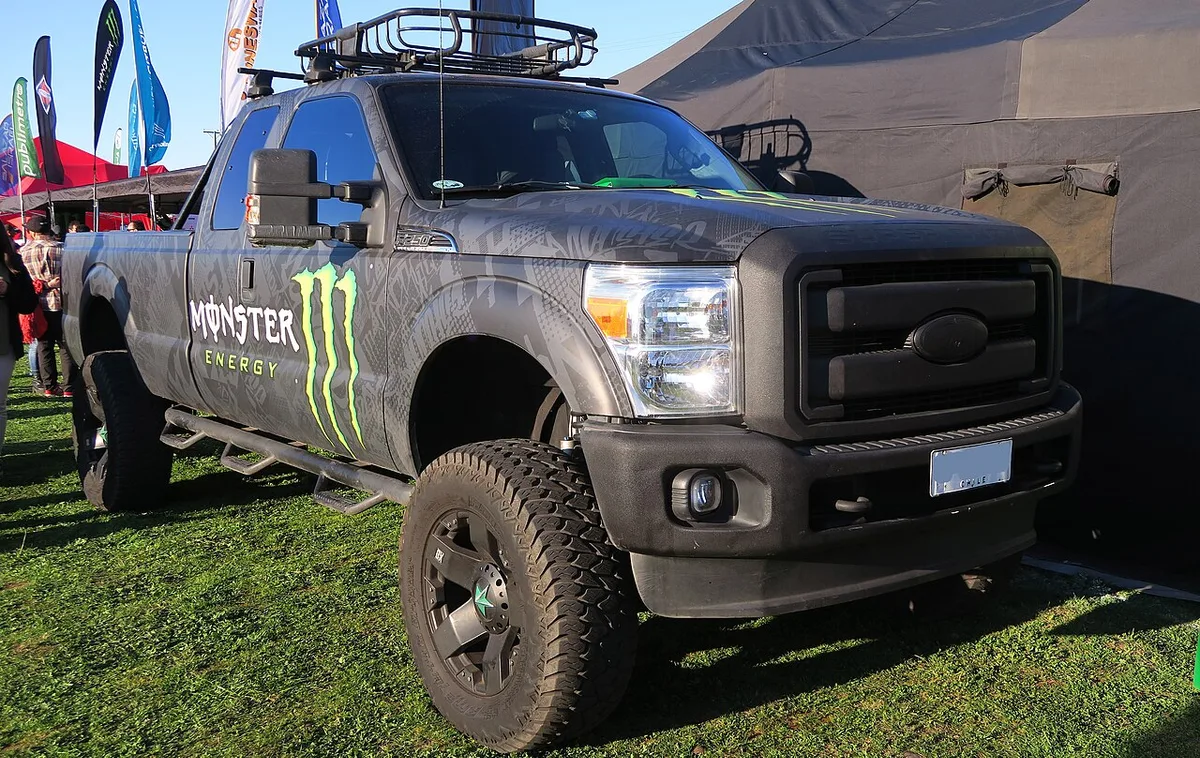
How to Build a Ford F250
How to build a Ford F-250 isn’t about snapping together a kit, it’s a deliberate process of matching components to your real-world needs. Whether you’re starting with a bare chassis or modifying an existing truck, every decision from engine choice to suspension setup changes how that truck performs under load, on rough terrain, or at the edge of its towing capacity. This is a workflow, not a checklist.
Manufacturer specifications indicate the F-250 Super Duty platform supports GVWRs from 10,000 to over 15,000 pounds depending on configuration, and as of 2026, both gas and diesel variants remain in production with distinct trade-offs. That range alone tells you this build will pivot on your intended use, budget, and mechanical comfort level, so let’s map the path that fits you.

What "Building a Ford F-250" Really Means
Building an F-250 covers everything from mild factory-spec refreshes to full custom assemblies using aftermarket frames and drivetrains. It’s not just dropping in a new engine, it’s selecting cab configuration, bed length, axle ratios, and electronics that work together under real conditions. Some builders start with a used 2017, 2023 Super Duty for its proven durability, while others order a new chassis to avoid rust or prior modifications. Either way, you’re committing to a platform designed for heavy payloads and serious towing, not street styling alone.
Your Build Goals: What Are You Trying to Achieve?
Your end use dictates nearly every component choice. If you’re hauling horses or RVs weekly, diesel torque and high-capacity brakes matter more than ground clearance. For overlanding or rock crawling, suspension travel and approach angles take priority, often requiring frame modifications. Work trucks need flatbeds, auxiliary lighting, and reinforced frames, while show builds focus on stance and finish.
Be honest about daily duties versus weekend dreams, most successful builds serve one primary role well instead of trying to do everything.
Gas vs. Diesel: Which Engine Fits Your Needs?
The 7.3L Godzilla V8 gas engine delivers 430 horsepower and 475 lb-ft of torque with simpler maintenance and lower upfront cost, ideal for moderate towing under 15,000 pounds. The 6.7L Power Stroke diesel offers 475 horsepower and 1,050 lb-ft of torque, better for heavy gooseneck loads but adds complexity with DEF systems and higher repair costs. If you tow infrequently or drive short distances, diesel’s regeneration cycles can cause more problems than they solve. For most mixed-use builds, gas provides the best balance of reliability and affordability.
| Engine | Horsepower | Torque (lb-ft) | Best For |
|---|---|---|---|
| 7.3L Godzilla | 430 | 475 | Daily driving, light-to-mid towing |
| 6.7L Power Stroke | 475 | 1,050 | Heavy towing, long-haul use |
New Truck or Used Base: Starting Point Matters
A new F-250 gives you warranty coverage, current safety tech, and clean documentation but costs $60,000, $90,000 before modifications. Used models from 2017, 2022 offer significant savings ($35,000, $55,000) but require thorough inspection for frame corrosion, transmission wear, and hidden damage, especially in rust-belt regions. If you’re doing major fabrication, a used truck reduces financial risk if something goes wrong. For emissions-sensitive states like California, newer used trucks may already meet current standards, avoiding retrofit headaches.
Budget Realities: From Basic to Over-the-Top Builds
Basic builds using OEM parts and mild lifts start around $10,000, $15,000 above base truck cost. Mid-range projects with performance tuning, upgraded suspension, and larger tires typically run $25,000, $40,000 total. Full custom builds with engine swaps, reinforced frames, and bespoke interiors can exceed $100,000. Set a hard ceiling early and prioritize spending: drivetrain reliability and braking come before cosmetic upgrades.
Unexpected costs always appear, plan for 15, 20% overage on your initial estimate.
OEM vs. Aftermarket: Parts Selection Trade-Offs
OEM Ford parts guarantee compatibility and retain warranty coverage where applicable, especially for critical systems like brakes and steering. Aftermarket components from brands like Carli Suspension or Rough Country offer higher performance but require careful validation, some void factory warranties or create fitment issues with sensors. If you’re building for extreme conditions, aftermarket often wins on capability. For daily drivers needing reliability, stick closer to factory specs unless you’re prepared to troubleshoot integration problems.
Step-by-Step: Planning Your Build Workflow
Start by documenting your must-haves versus nice-to-haves in a build sheet that includes weight targets, tire size limits, and electrical load requirements. Source a complete parts list with lead times, some diesel components or specialized axles take weeks to arrive. Set milestones: chassis prep by week two, drivetrain mock-up by week six, final tuning by week twelve. Share your plan with a mechanic or fabricator early; they’ll spot clearance or structural concerns you might miss.
Step-by-Step: Chassis and Drivetrain Assembly
Clean and inspect the frame for cracks or corrosion, especially around spring perches and crossmembers. Reinforce high-stress areas if you’re adding a lift over four inches or planning heavy towing. Mount the engine and transmission as a unit to avoid misalignment, use a transmission jack and confirm bellhousing bolt patterns match. Connect driveline components with correct U-joint phasing to prevent vibration at speed.
Torque all fasteners to Ford specifications; under-torqued mounts cause premature wear.
Step-by-Step: Suspension, Wheels, and Clearance Checks
Install suspension components in the order specified by the manufacturer, typically springs first, then shocks, track bar, and steering links. Check tire clearance at full compression and full lock steering before final tightening. If you’re running 37-inch or larger tires, modify fender liners or add aftermarket flares to avoid rubbing. Verify brake line routing won’t chafe against new control arms or coils.
A test drive over bumps reveals binding or interference missed during static assembly.
Step-by-Step: Wiring, Tuning, and Final Checks
Integrate aftermarket electronics using harness adapters that preserve factory CAN bus communication, direct splicing can trigger fault codes or disable safety systems. Load your chosen tune via HP Tuners or SCT device only after confirming sensor inputs match expected ranges. Perform a full systems check: lights, ABS, traction control, and trailer brake functionality. Road-test under light load first, then gradually increase to rated capacity while monitoring temperatures and pressures.
Common Pitfalls: Mistakes That Derail F-250 Builds
Skipping alignment after suspension changes causes uneven tire wear and unstable handling, always get a professional four-wheel alignment. Overloading the electrical system with high-draw accessories without upgrading the alternator or adding relays leads to blown fuses and dead batteries. Ignoring OEM service bulletins for your model year can mean missing known fixes for transmission shudder or steering wander. Document every modification; future buyers or mechanics will need that history.
Legal and Safety: Compliance You Can’t Ignore
Lifted trucks in states like California must keep bumpers within specific height limits or face failed inspections. LED light bars used off-road require covers when driving on public roads to avoid blinding other drivers. Diesel builds must pass emissions testing where applicable, retrofitting older engines often requires costly DOC/DPF systems. Always verify local laws before finalizing tire size, lighting, or exhaust modifications.
Real Build Examples: From Work Truck to Overlander
A contractor in Texas built a 2020 F-250 with a 6.7L diesel, flatbed, and dual rear wheels for $78,000 total, prioritizing payload over speed. An overlander in Colorado started with a used 2018 gas model, added a four-inch Carli suspension, 37-inch tires, and roof tent for $42,000, focusing on trail capability. Both kept detailed logs of parts and labor, critical for troubleshooting and resale.
Final Decision Guide: Which Path Is Right for You?
If you tow heavy loads weekly and drive long distances, choose the diesel with factory tow package and avoid excessive lifts. For weekend off-roading with occasional hauling, a gas engine with moderate suspension upgrades and skid plates offers better value. Work trucks benefit from flatbeds and auxiliary power outlets; show builds should prioritize finish and stance without compromising structural integrity. Match your build to your most frequent use case, not hypothetical scenarios.
Related posts:
 Where Is Ford F250 Built
 Where Is Ford F250 Made
What Is the Gvwr of a Ford F250 Super Duty
How Long Is a Ford F250 Crew Cab
Are Ford F250 Aluminum Body
Are Ford F250 Diesel Reliable
How Do Ford F250 Auto Locking Hubs Work
Where Is Ford F250 Made
What Is the Gvwr of a Ford F250 Super Duty
How Long Is a Ford F250 Crew Cab
Are Ford F250 Aluminum Body
Are Ford F250 Diesel Reliable
How Do Ford F250 Auto Locking Hubs Work
 How Heavy Is a Ford F250 Super Duty
 How It Feels to Drive a Ford F250
 Meme
How It Feels to Drive a Ford F250
How It Feels to Drive a Ford F250 Meme
 How Long Do Ford F250 Diesel Last
 How Long Do Ford F250 Last