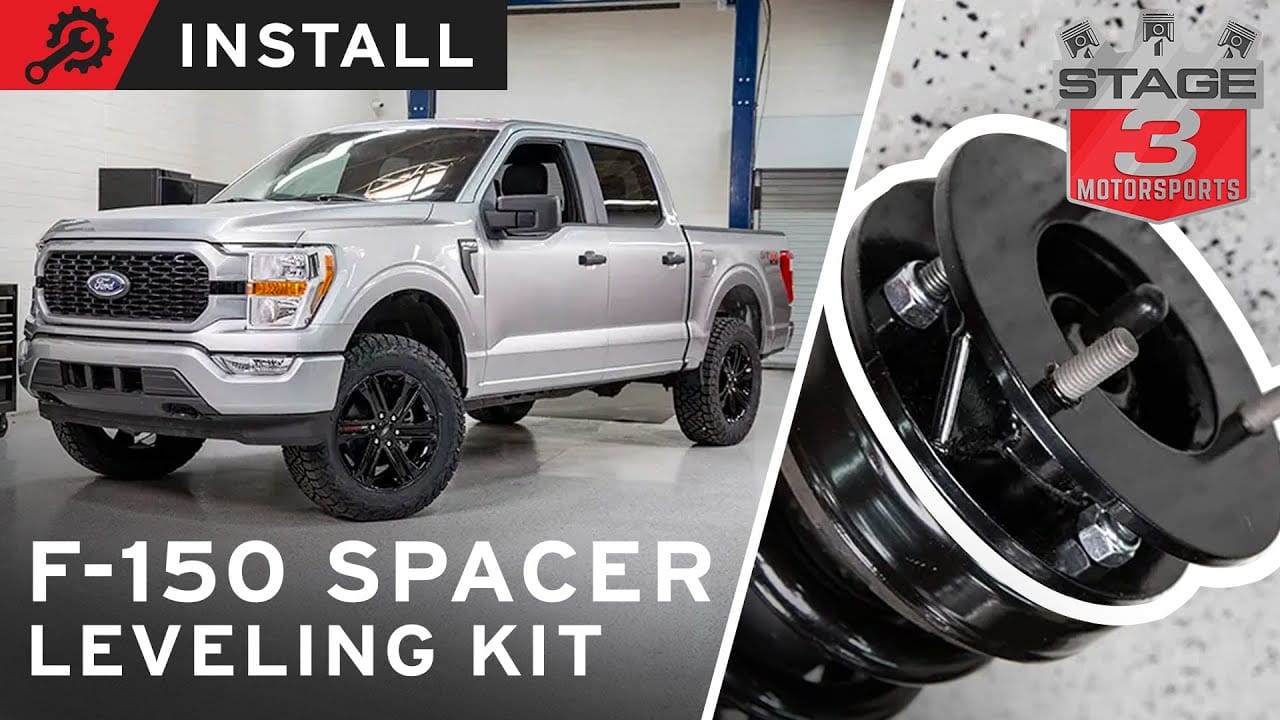
How to Install an F150 Leveling Kit: Torque Specs by Year
You might feel a bit overwhelmed thinking about where to start, but worry not. This guide is here to walk you through the process with ease. Imagine driving your F150 with a more aggressive look and improved balance—sounds exciting, right?
By the end of this article, you’ll have all the confidence you need to install a leveling kit yourself, saving money and gaining a rewarding DIY experience. Let’s dive in and explore how you can transform your truck today.
Key Steps Park on a Level Surface and Secure the Vehicle Loosen Lug Nuts Jack Up the Front of the Truck Remove the Front Wheels Disconnect the Sway Bar End Links and ABS Wire Remove the Strut Assembly Install the Leveling Kit Spacer Reinstall the Strut Assembly Reconnect the Sway Bar and ABS Wire Reinstall the Wheels Lower the Truck Torque Lug Nuts to Spec Get a Wheel Alignment Re-Check Torque After 100 Miles Re-Aim Headlights

Tools, Parts, And Torque Specs You Need
To install the F150 leveling kit, gather the right tools. A floor jack and jack stands are crucial for lifting the truck safely. You will need sockets and wrenches in the sizes your model year uses, a torque wrench, a spring compressor, and a pry bar. Some kits also require a drill. Safety gloves and goggles are a must, and thread locker is worth having on hand for the strut mount studs.
Torque specs matter more than most guides admit. The strut-to-spindle bolts, upper strut mount nuts, sway bar end links, and lug nuts all have different values, and they change by generation. Use the table below as a starting point and confirm against your truck’s service manual before you start.
| Fastener | 2004-2008 | 2009-2014 | 2015-2020 | 2021+ |
|---|---|---|---|---|
| Strut-to-spindle bolts | 85 ft-lbs | 85 ft-lbs | 76 ft-lbs | 76 ft-lbs |
| Upper strut mount nuts | 30 ft-lbs | 30 ft-lbs | 26 ft-lbs | 26 ft-lbs |
| Sway bar end link nuts | 35 ft-lbs | 35 ft-lbs | 35 ft-lbs | 35 ft-lbs |
| Lug nuts | 150 ft-lbs | 150 ft-lbs | 150 ft-lbs | 150 ft-lbs |
Torque values are typical published figures for stock hardware. Aftermarket kits sometimes ship their own fasteners with different specs, so read the kit instructions first.

Choosing The Right Leveling Kit
Selecting the best leveling kit for your F150 starts with knowing your drivetrain. On 2WD trucks, the front uses a coil spring over strut, and a spacer sits on top of the strut mount. On 4WD trucks, the same basic layout applies, but you also have a CV axle and an ABS wire running near the strut that you must not overstretch. Spacers are budget-friendly and easy to install. Coilovers offer better performance but cost more and often require more disassembly. Check your truck’s model year before buying, because strut bolt sizes and mount studs changed between 2004-2008, 2009-2014, 2015-2020, and 2021+.
Installation is easier with the right kit. Follow instructions carefully. Ensure you have all the tools needed. Some kits may need professional help. Safety is key, so take your time. Enjoy a smoother ride and a better look with your new leveling kit.
Preparation Steps
Park on a flat, hard surface and set the parking brake. Chock the rear wheels. Loosen the front lug nuts half a turn while the truck is still on the ground. Lift the front with a floor jack under the frame rail or the factory jack point, then lower it onto jack stands rated for the weight. Never work under a truck held up only by a jack. Wear gloves and goggles, and give yourself a realistic window: a first-timer should plan on 3 to 4 hours, while someone who has done this before can finish in about 2.
Choose a clean, open area for work. Gather all tools and equipment beforehand. Organize tools for easy access during installation. Maintain good lighting for better visibility. Keep manuals and guides within reach. Ensure sufficient space to move around the vehicle. Prepare a safe place to store the removed parts.
Removing Factory Components
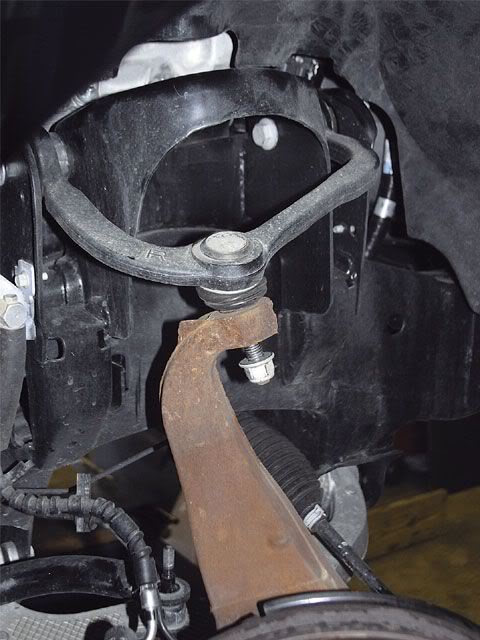
With the truck on jack stands, finish removing the lug nuts and pull the front wheels. Set them aside where they will not roll. Now disconnect the sway bar end links from the lower control arm on both sides. This lets the suspension droop far enough to remove the strut without forcing it. On 4WD trucks, also unclip the ABS wire and the brake line bracket from the strut so they do not get stretched when the strut comes out. A stretched ABS wire is one of the most common and most expensive mistakes in this job.
Support the lower control arm with a jack before you remove the strut. Take out the two large bolts holding the strut to the spindle, then remove the three or four nuts on the upper strut mount studs. Lower the jack slowly and pull the strut assembly out. If your kit requires you to reuse the coil spring, use a spring compressor and tighten it evenly on opposite sides. Uneven compression is how springs slip and how strut mount studs get stripped. Keep every removed bolt and nut in a labeled container.
Installing The Leveling Kit
With the strut on the bench, install the spacer on top of the upper strut mount. If your kit uses new studs, thread them in by hand before applying any torque. Apply a small amount of thread locker to the strut mount studs, then torque them in a star pattern to the value for your model year. Do not use an impact gun on these studs. They strip easily, and a stripped stud means the whole strut has to come back out. Once the spacer is seated, slide the strut back into the tower and start the upper mount nuts by hand.
Raise the lower control arm with the jack until the strut lines up with the spindle. Install the strut-to-spindle bolts and torque them to spec. Reconnect the sway bar end links and, on 4WD trucks, reattach the ABS wire and brake line bracket. Reinstall the wheels and hand-tighten the lug nuts. Lower the truck to the ground before you torque the lug nuts to 150 ft-lbs in a criss-cross pattern. Torquing while the wheel is in the air can let the wheel spin and give you a false reading.
Reassembling The Suspension
Begin by placing the suspension components back into their spots. Ensure each piece fits securely. Align the bolts and nuts carefully. Use your hands to start the threads. This helps prevent cross-threading.
Once aligned, use tools to tighten them. Make sure everything is snug. Check each component twice. A proper fit keeps the truck safe.
Put the wheels back onto the truck. Align them with the wheel studs. Start screwing the lug nuts by hand. This helps with alignment. Use a wrench to tighten each lug nut. Make sure they are tight in a criss-cross pattern. This prevents the wheel from being uneven. Check that all nuts are secure. This keeps the wheels safe during driving.
Final Checks And Adjustments
Before you drive, re-check every fastener you touched. Confirm the strut mount nuts, strut-to-spindle bolts, sway bar end links, and lug nuts are all at spec. Then drive straight to an alignment shop. A leveling kit changes the front ride height, which changes camber and toe, and no amount of measuring in your driveway will replace a proper alignment. After your first 100 miles, re-torque the lug nuts and the strut fasteners, then re-aim your headlights since the front of the truck now sits higher.
Aligning Wheels
Make sure the wheels are straight. Check the alignment after installing the kit. Use a measuring tape to verify the distance between wheels. If the distance is not equal, the wheels need adjusting. Turn the adjustment bolt slightly. This will help align the wheels. Check the steering wheel position. It should be centered when driving straight. Repeat this process if needed.
Test Drive And Evaluation
Take a test drive to check the installation. Listen for unusual noises. Feel the smoothness of the ride. Check if the steering feels normal. If the car pulls to one side, the alignment may be off. Stop the car and inspect again. A short drive helps evaluate any issues. Adjust as needed to ensure a safe ride.
Maintenance Tips
Regular inspections keep your F-150 in top shape. Check the leveling kit often. Look for any signs of wear or damage. Loose bolts can cause problems. Tighten them if needed. Examine the kit for rust. Rust can weaken the metal.
Don’t ignore strange noises. Noises might mean something is loose. Address it right away. Keep an eye on tire alignment. Incorrect alignment can affect handling. Rotate tires regularly for even wear.
Addressing common issues can prevent bigger problems. Sometimes, the truck might lean. This could be due to uneven installation. Adjust the kit to fix this. Suspension can feel rough after installation. Check if the kit is installed correctly. Make sure all parts are secure.
Common Mistakes That Damage Your Truck
The three failures that turn this job bad are all avoidable. First, stripped upper strut mount studs, usually caused by an impact gun or by torquing in a circle instead of a star pattern. Second, over-compressed coil springs, which happen when a spring compressor is tightened on one side more than the other. Third, damaged ABS wires and brake lines on 4WD trucks, which get stretched when the suspension droops without being unclipped first. Slow down at each of these points and the rest of the job is straightforward.
Keep the kit clean. Dirt can affect performance. Wipe it down with a damp cloth. Regular maintenance ensures safe driving.
Post-Install Alignment, Torque Re-Check, And Headlight Aim
Book an alignment the same day you finish. Ask the shop to set toe and camber to factory spec for your model year. Re-torque the lug nuts and strut fasteners after 100 miles, then again at 500 miles if anything moved. Finally, re-aim the headlights. Raising the front of the truck points the beams higher, and oncoming drivers will notice before you do.
Frequently Asked Questions
What Tools Are Needed For F150 Leveling Kit Installation?
To install an F150 leveling kit, you’ll need basic tools like a socket set, wrench, jack, and jack stands. Additionally, having a torque wrench and pry bar can be helpful. Make sure to have safety gear, such as gloves and goggles, to ensure a safe installation process.
How Long Does It Take To Install A Leveling Kit?
A first-time install on an F150 typically takes 3 to 4 hours. If you have done one before and have the right tools, plan on about 2 hours. Add an hour if you have to compress and reuse the factory coil springs, and add time for the alignment you should get the same day. Rushing the strut mount studs is the fastest way to turn a 2-hour job into a two-day job.
Does Installing A Leveling Kit Affect Ride Quality?
A leveling kit changes the geometry of the front suspension, so expect a slightly firmer ride and a bit more feedback through the steering. Most drivers notice the difference for the first few days and then stop thinking about it. The bigger changes are the improved ground clearance and the leveled stance. If the ride feels harsh or the truck pulls, stop driving and check your torque and alignment before anything else.
Will A Leveling Kit Void My F150 Warranty?
A leveling kit might not void your entire F150 warranty, but it can affect specific parts. It’s essential to check with your dealership or warranty provider before installation. They can provide detailed information about what aspects might be impacted by the modification.
Conclusion
Cost, Time, And DIY Vs Shop Decision
A spacer kit is one of the cheapest suspension upgrades you can make, and the install is well within reach for a home mechanic with a torque wrench and a spring compressor. If you are not comfortable compressing springs or you drive a 2021+ truck with hardware you have not worked on before, paying a shop is a reasonable call. Either way, budget for an alignment afterward. That is not optional.
Installing an F150 leveling kit can enhance your truck’s look. It provides a balanced stance and better ground clearance. Follow the steps carefully for a smooth installation. Ensure you have the right tools on hand. Safety is crucial, so take your time.
Double-check each step as you go. This process can be rewarding and worthwhile. Your truck will stand out with its new leveled appearance. Enjoy your improved driving experience. Happy driving!
Related posts:
 How Far Can You Drive Without an Alternator? Real Distances
 What Color Is Avalanche for Ford? The Definitive 2026 Guide
 How to Disengage 4WD in Ford F150: Easy Steps to 2H
 How to Fix Power Steering Assist Fault in Ford F150
 What Lug Pattern is a Ford F150: Unveiling the Perfect Fit for Your Ride
 How to Tell If Your F150 Has Remote Start: Easy Steps
 Does 2016 F150 Have Apple CarPlay? SYNC 3 vs SYNC 2 Guide
 Best 6X8 Speakers for Ford F150: Tested & Reviewed
 Best Adjustable Hitch for F150
 How to Change Battery in F150 Key Fob
 5 Best Ford F150 Bed Covers: Expert Picks & Quality Tested
 Best Tuners for Ford F150 EcoBoost to Boost Performance