How to Bypass a Ford Ignition Module: TFI, EDIS & COP Guide
To bypass the Ford ignition module, you first need to know which ignition system your Ford uses. On older TFI (Thick Film Ignition) models, the module is mounted on the side of the distributor and can be swapped out or worked around with a replacement spark source. On EDIS and coil-on-plug (COP) engines, the module function is handled by the PCM or a separate control box, so a simple jump wire will not work and the PCM will set fault codes or drop into limp mode. The methods below cover the common Ford setups, but confirm your system before you start cutting or jumping wires.
These steps will allow you to bypass the ignition control module and start the engine without using the module on TFI-style systems. Without a properly functioning ignition control module, a vehicle’s engine would fail to start or run inefficiently. Symptoms of a bad ignition control module include engine misfires, stalling, and difficulty starting the engine. On computer-controlled Fords, bypassing the module is not a permanent fix and can trigger a check engine light or put the PCM into limp mode.
What a Ford Ignition Module Does (and Why It Fails)
The ignition module is the switching device that tells the ignition coil when to fire. On older Fords it lives on the side of the distributor as a TFI module, on mid-1990s and later Fords it is a separate EDIS module, and on newer engines the coil driver is built into the PCM or into each coil-on-plug. Heat, vibration, and age are the usual killers, and the failure mode differs by system, which is why the same bypass trick does not work on every Ford.
TFI vs. EDIS vs. Coil-on-Plug: Know Your System
TFI systems use a distributor-mounted module and a single coil, so a direct coil feed can get you home. EDIS systems use a crank sensor and a module that fires a wasted-spark coil pack, and the PCM expects feedback from the module. Coil-on-plug systems have no separate module at all, so there is nothing to bypass in the traditional sense. Identify your system before you touch any wiring.
Methods To Bypass Ford Ignition Module
Bypassing the Ford ignition module may be necessary in certain situations to get your vehicle up and running. Whether you’re experiencing issues with the module or need to bypass it for other reasons, there are several methods you can try.
Method 1: Using A Jump Wire
One of the simplest ways to bypass the Ford ignition module on a TFI system is by using a jump wire. This method involves feeding the ignition coil directly from a switched power source instead of through the module. Here’s how you can do it:
- Locate the ignition module and the positive terminal of the ignition coil. On most TFI Fords the module is bolted to the distributor, and the coil is nearby on the fender or intake.
- Take a piece of wire and strip both ends to expose the metal.
- Connect one end of the wire to the BATT or IGN terminal of the ignition module harness. On common Ford TFI connectors this is the red/light green wire at the module plug.
- Connect the other end to the positive terminal of the ignition coil.
- Make sure the connections are secure and free from any loose wires.
- Once everything is connected, crank the engine and confirm spark at the coil. If there is no spark, recheck the ground and the module ground wire before assuming the module is the only fault.
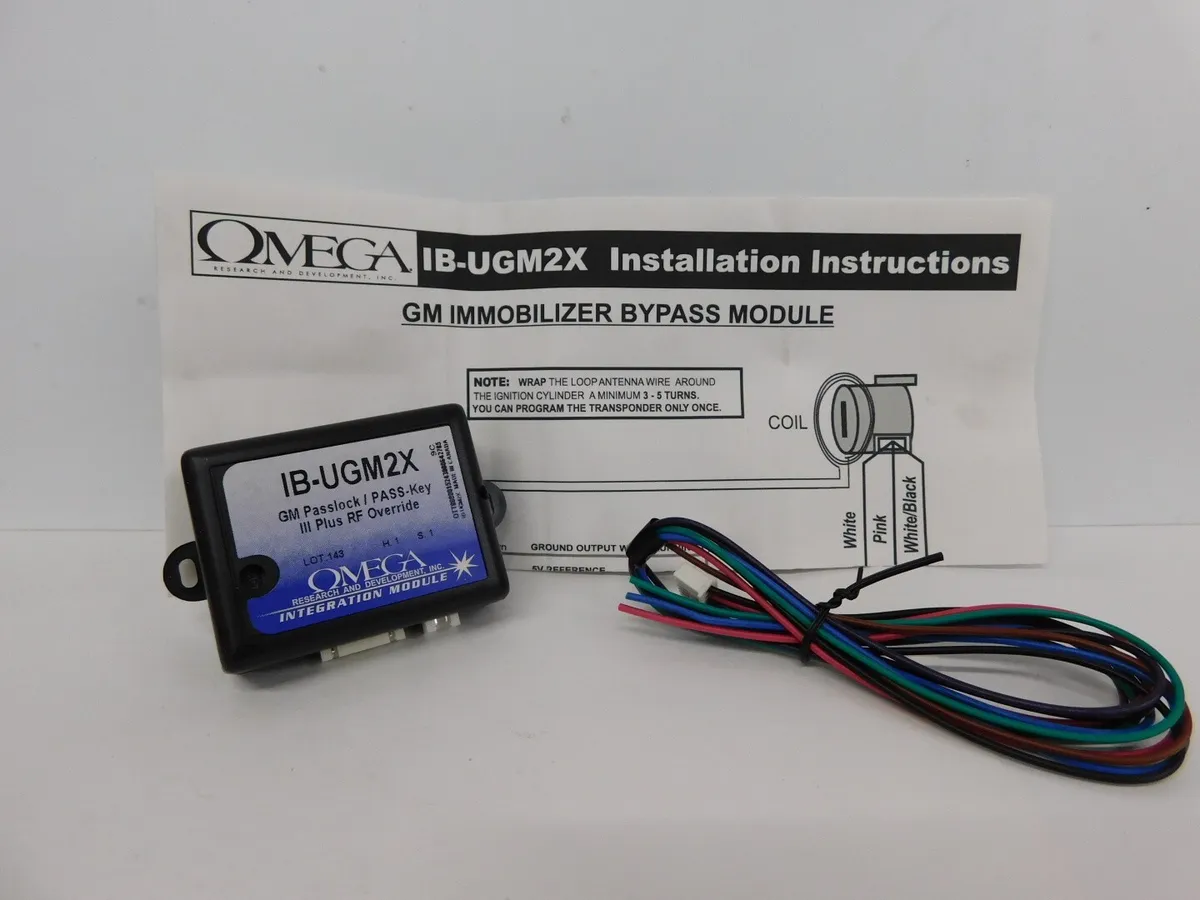
Method 2: Using A Bypass Module
If using a jump wire seems too complicated or risky for you, another option is to use a bypass module. A bypass module is specifically designed to bypass the ignition module and directly activate the ignition coil. Here’s how you can use it:
- Purchase a bypass module or aftermarket ignition box compatible with your Ford vehicle model and ignition type (TFI, EDIS, or COP).
- Follow the manufacturer’s instructions to properly install the bypass module. Most kits include a harness that plugs in between the factory module and the coil.
- Make sure all connections are secure and properly connected, and that any factory ground straps are reused.
- Once the bypass module is installed, start your vehicle to check if it runs smoothly and watch for a check engine light.
Method 3: Replacing The Ignition Module
If the above methods don’t work or you prefer a more permanent solution, replacing the ignition module is a viable option. Here’s how you can do it:
- Identify the exact make, model, year, and engine of your Ford so you get the right module. TFI modules, EDIS modules, and COP coil drivers are not interchangeable.
- Purchase a new ignition module that is compatible with your vehicle. Common Ford TFI part numbers include the Motorcraft DY-1075 and its aftermarket equivalents.
- Locate the old ignition module, usually found near the distributor on TFI engines or on the fender apron on EDIS engines.
- Carefully disconnect the electrical connections attached to the old module. Note the wire colors and positions before unplugging.
- Remove the screws or bolts securing the old module in place, and apply a fresh coat of thermal grease to the back of the new module before installing it.
- Install the new ignition module in the same location and secure it, then reconnect the harness and battery.
Keep in mind that if you’re not confident in performing any of these methods yourself, it’s always best to seek the assistance of a professional mechanic.
Diagnose Before You Bypass: Confirming Module Failure
Before you bypass anything, confirm the module is actually the fault. A no-start can come from a bad crank sensor, a failed fuel pump, a blown fuse, or a bad ignition switch, and bypassing the module will not fix any of those.
Fault Codes, No-Start, and Misfire Symptoms
Pull fault codes first if your Ford is OBD-I or OBD-II. Look for codes pointing at the ignition system, crank sensor, or cam sensor. A no-start with good fuel pressure and no spark at the coil points toward the ignition side, while a misfire that follows a specific cylinder often points to a coil or plug rather than the module.
Multimeter and Test-Light Checks With Expected Values
With the key on, you should see battery voltage at the coil positive terminal and at the module BATT or IGN feed. Use a test light on the coil negative while cranking: a steady flash means the module is triggering the coil, and no flash means the module or its trigger signal is missing. Check the module ground for less than 0.1 ohms to the battery negative. If the trigger signal is missing at the module but present at the crank sensor, the module is the likely fault.
Safety And Precautions
When it comes to bypassing a Ford ignition module, it is important to prioritize safety and take the necessary precautions. Ignition modules play a critical role in the functioning of the engine, and any mishandling can lead to potential dangers. To ensure a smooth and safe process, follow these safety measures:
Disconnecting The Battery
Before attempting any work on the ignition module, it is crucial to disconnect the battery. This step will minimize the risk of electrical shock or accidental activation of the ignition system. Locate the car’s battery and carefully disconnect the negative (-) terminal by loosening the bolt holding the cable in place. Once disconnected, secure the cable away from any metal surfaces to prevent accidental reconnection.
Use Of Protective Gear
When working with any automotive electrical components, it is essential to wear appropriate protective gear. This includes safety goggles, gloves, and a protective apron or clothing to shield yourself from any potential harm. These precautions will minimize the risk of injury from sparks, accidental contact with live wires, or exposure to harmful chemicals.
Consulting A Professional If Unsure
If you are unsure about bypassing the ignition module or face any difficulties during the process, it is advisable to consult a professional. An automotive technician or electrician with expertise in ignition systems will provide the necessary guidance and ensure the job is done correctly, minimizing the risk of further damage or safety hazards.
Risks, Limitations, and When NOT to Bypass
Bypassing the module on a computer-controlled Ford can cause the PCM to lose timing control, set a check engine light, and drop the engine into limp mode. On EDIS and COP engines the PCM needs the module feedback to schedule spark and fuel, so a bypass is a diagnostic step, not a repair. Do not bypass on a vehicle that still has to pass emissions testing, and do not bypass if the real fault is a crank sensor, wiring short, or PCM issue.
Cost Comparison: Bypass vs. Replacement
A jump wire or bypass module is the cheapest option and can be done with parts you may already have, but it is temporary on most Fords. A replacement TFI or EDIS module is a modest parts cost and restores factory behavior, while an aftermarket ignition box costs more but adds adjustability. For most daily-driven Fords, replacing the module is cheaper and safer than a permanent bypass.
By following these safety measures, you can bypass the Ford ignition module with confidence and peace of mind. Remember, prioritizing safety is crucial when working with any automotive electrical components.
When to Call a Professional
If you are not sure which ignition system your Ford uses, if the fault codes point at the PCM, or if the wiring harness has been cut or modified by a previous owner, stop and call a professional. An automotive technician or electrician with expertise in ignition systems will provide the necessary guidance and ensure the job is done correctly, minimizing the risk of further damage or safety hazards.

Frequently Asked Questions On How To Bypass Ford Ignition Module
Can You Bypass An Ignition Control Module?
On a TFI-style Ford you can bypass the module temporarily by feeding the coil directly, but on EDIS and coil-on-plug engines the module function is integrated with the PCM and cannot be bypassed without redesigning the ignition system. The ignition control module is essential for firing the spark in the engine, so without it, the engine won’t run efficiently or start at all on computer-controlled models.
Can A Car Run Without A Ignition Control Module?
A car cannot run without an ignition control module as it is responsible for telling the ignition coil when to fire the spark. On older Fords with a separate TFI module you can substitute an aftermarket ignition box, but the spark still has to be triggered by something. Without it, the engine would fail to start or run inefficiently.
What Are The Symptoms Of A Bad Ignition Control Module Ford?
Symptoms of a bad ignition control module in a Ford include engine failure to start or running inefficiently, misfires under load, stalling when hot, and a tachometer that drops to zero while cranking. Without a functioning module, the engine won’t run properly. On TFI models the module can often be tested with a multimeter before you decide to bypass it, and on EDIS or COP models you should pull fault codes first because the PCM may be the real fault.
How Do You Bypass A Bad Ignition Switch?
To bypass a bad ignition switch, connect the positive terminal of the battery to the positive side of the ignition coil. Also, connect the starter solenoid to the positive terminal of the battery. Unplug the ignition switch wire from the solenoid and short the solenoid’s terminal to where the ignition switch connects.
Conclusion
To bypass the Ford Ignition Module and get your engine running, follow the simple steps outlined in this blog post. By understanding the process and utilizing the right tools, you can successfully bypass the module and start your vehicle. Remember to exercise caution and consult a professional if needed.
Don’t let a faulty ignition module hold you back – take control of your Ford’s ignition system today!
Related posts:
 What Color Is Avalanche for Ford? The Definitive 2026 Guide
 How to Disengage 4WD in Ford F150: Easy Steps to 2H
 How Many O2 Sensors Does a Ford F150 Have
 What is 4A on F150: Unleashing the Power of 4A in Your Ford F150
 What Are Cam Phasers F150
How Much is a Windshield for a Ford F150: Find the Best Price Now!
 Best Aftermarket Radio For 2013 Ford F150: Expert Picks
 Best Floor Jack for F150
 How to Get a Spare Tire off a Ford F150
 How To Reset Oil Life 2018 Ford f150: Easy Peasy
 5 Best Ford F150 Bed Covers: Expert Picks & Quality Tested
 Best Tuners for Ford F150 EcoBoost to Boost Performance