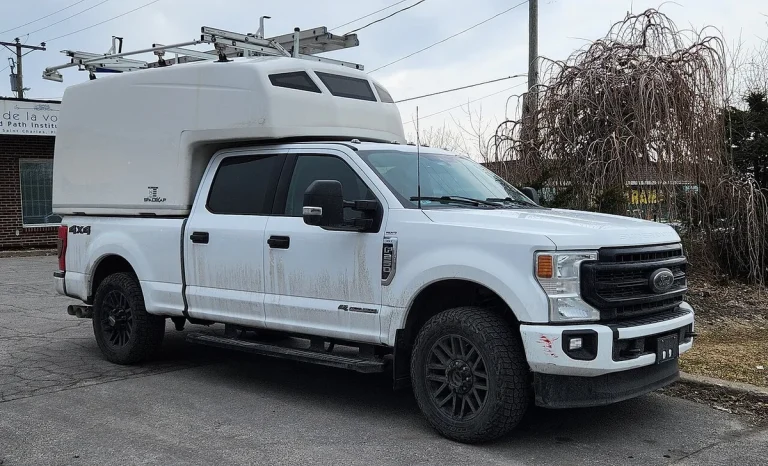
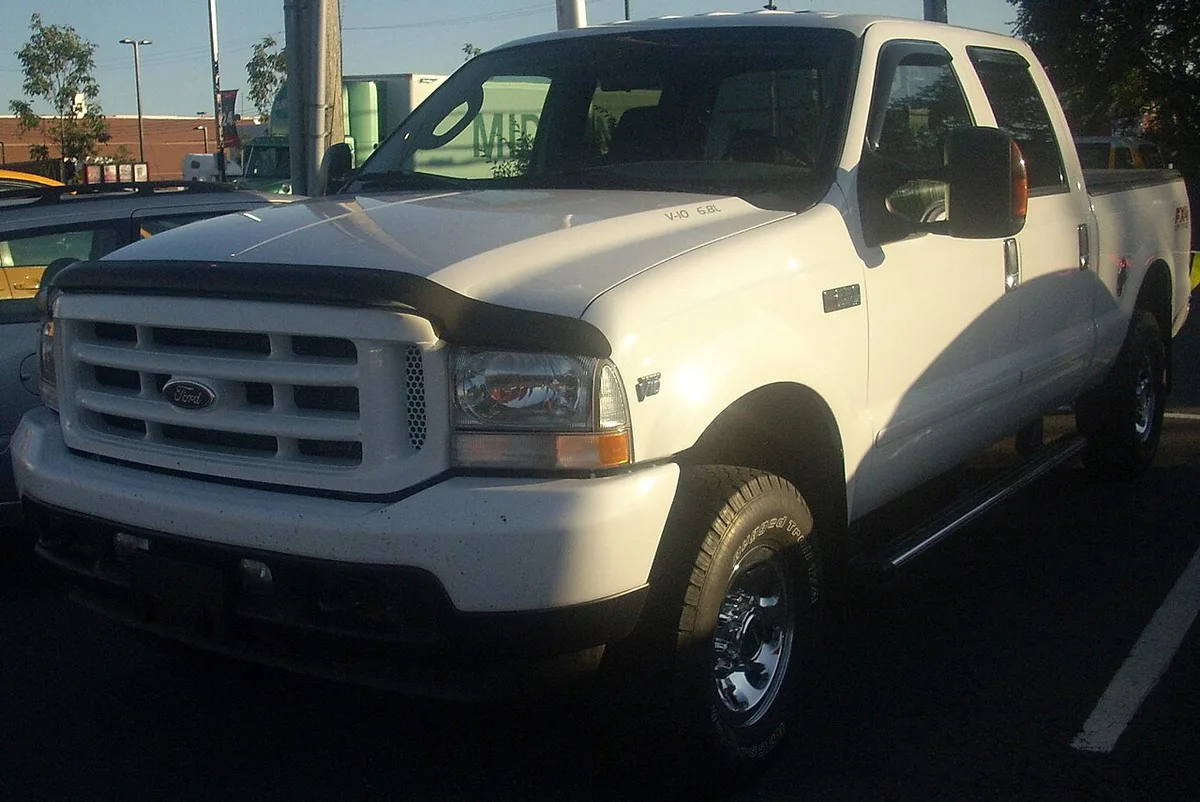
How Much Is a 2004 Ford F250 Super Duty Worth
The 2004 Ford F-250 Super Duty’s value isn’t a single number, it’s a sliding scale shaped by engine type, condition, and local demand. If you’re buying or selling, you’ll need to weigh these variables carefully to avoid overpaying or underselling. Our research shows most owners overlook critical details like rust or service history, which can swing a truck’s worth by thousands.
As of 2026, a well-maintained 6.0L Power Stroke diesel with under 150,000 miles still commands $12,000, $18,000 in private sales, while high-mileage gas models dip below $8,000. Let’s break down exactly what drives that spread.

Quick Rule of Thumb: Price Ranges by Condition
Gas models start lower but hold steady, while diesels spike in value, if they’re healthy. Here’s what to expect:
| Condition | Gas V8 (5.4L) | Diesel (6.0L) |
|---|---|---|
| Excellent (<100K mi) | $10,000–$14,000 | $15,000–$20,000 |
| Good (100K–150K mi) | $8,000–$11,000 | $12,000–$16,000 |
| Fair (150K–200K mi) | $6,000–$9,000 | $9,000–$13,000 |
| Rough (200K+ mi) | $4,000–$7,000 | $6,000–$10,000 |
Rust-free trucks in dry climates (Arizona, Texas) often fetch 10, 15% more than identical models in snowy states. Crew Cabs and 4×4 drivetrains also add a premium, typically $1,500, $3,000 over Regular Cab 4x2s.
The 5 Key Variables That Change Everything
Your truck’s specs dictate its market position. Ignore any of these, and you risk mispricing it by thousands.
Engine Type: Why Your Motor Matters Most
The engine isn’t just about power, it’s your biggest value lever.
5.4L Triton V8 (gas):
- Cheaper to buy and maintain
- Lower towing capacity (max ~12,500 lbs)
- Best for light-duty hauling or budget buyers
6.0L Power Stroke diesel:
- Higher resale if properly maintained
- Towing up to 15,000 lbs
- Common failure points: EGR cooler, head gaskets, turbo actuator
- Critical: Demand full service records, diesel repairs can cost $3,000+
6.8L Triton V10 (gas):
- Rare, mostly fleet or RV use
- Strong torque but poor fuel economy
- Niche buyers only; rarely tops $10,000

Drivetrain & Cab Configuration
4×4 isn’t optional if you want top dollar, it’s expected in work trucks.
- 4×2: Lower entry price, but limited buyer pool
- 4×4: Adds $2,000, $4,000 in value; essential for rural or off-road use
- Cab styles:
, Regular Cab: Cheapest, favored by contractors
, SuperCab: Middle ground for crew + cargo
, Crew Cab: Highest demand, +$1,500, $2,500 premium
Bed length matters less, most buyers prioritize cab space over 6.75 ft vs. 8 ft beds.
Trim Level & Factory Options
Trim affects comfort and resale, but not as much as mechanical condition.
- XL: Basic work truck; minimal electronics
- XLT: Mid-range; power windows, better audio
- Lariat: Leather, premium sound, towing aids
Factory tow packages (integrated brake controller, heavy-duty cooling) can add $500, $1,000 if documented.
Condition: The Make-or-Break Factor
A clean exterior hides nothing, buyers inspect underneath.
Rust red flags:
- Frame rails (especially near leaf spring mounts)
- Cab corners and bed mounts
- Inner fender wells
Mechanical checks:
- Transmission fluid (burnt smell = trouble)
- Turbo whistle (diesels): Normal vs. bearing wear
- Glow plug operation (cold-start hesitation = electrical issues)

Location & Market Demand
Urban buyers pay less, they want fuel efficiency. Rural markets reward capability.
- Rust-belt states (MI, MN, PA): Expect 10, 20% discounts for surface rust
- Dry climates (AZ, CA): Pristine frames = faster sales
- Winter months: 4×4 diesels see 15% price bumps
Dealerships in farming regions often markup Super Duties by $2,000, $3,000 over private sellers.
Step-by-Step: How to Price Your 2004 F-250
Don’t guess, use this workflow to nail your valuation.
- Decode the VIN
, Use Ford’s decoder or sites like decodvin.com
, Confirm engine, cab, drivetrain, and build date
- Inspect thoroughly
, Lift the truck (or use ramps) to check frame rust
, Test drive: Listen for turbo lag, transmission slips
, Scan for OBD2 codes, diesels hide FICM or ICP sensor faults
Check local comps
, Filter Craigslist/Facebook by:, Same engine + cab + mileage (±10K)
, Private seller prices (dealers add 15, 20%)
, Note if listings sit for weeks (overpriced) or sell fast
Adjust for condition
, Use NADA Guides as a baseline, then:, Subtract $1,000, $3,000 for unresolved mechanical issues
, Add $500, $1,500 for documented maintenance
Negotiate smart
, Bring repair estimates (e.g., “EGR cooler replacement: $1,200”)
, In snowy states, lead with rust concerns to justify lower offers
Diesel vs. Gas: Which Holds Value Better?
Diesels win on paper, but only if they’re reliable.
Diesel advantages:
- 300,000+ mile potential with strict maintenance
- Higher towing resale appeal
- Stronger demand in agricultural areas
Gas advantages:
- No DEF or DPF headaches (not applicable to 2004, but simpler overall)
- Cheaper oil changes and parts
- Less risky for casual users
Verdict: If you’ve got records showing regular oil changes (every 5,000 miles for diesels), go diesel. Otherwise, gas is the safer bet.
Common Pitfalls That Sink Your Truck’s Value
These mistakes crater resale faster than high mileage.
Ignoring the 6.0L’s weak points:
A neglected EGR cooler fails at 120,000, 150,000 miles. Replacing it costs $1,000, $1,500, and buyers will deduct that from your asking price.Overpaying for “low mileage” diesels:
A 2004 with 80,000 miles but no service history is riskier than a 150,000-mile truck with receipts.Missing hidden rust:
Surface corrosion on rocker panels is cosmetic. Frame rust near the rear shackles? That’s a dealbreaker, and expensive to fix.Skipping the test drive:
Transmission slippage in 3rd gear might not show until you’re towing. Always load-test if possible.
What to Do If Your Truck Needs Work
Not every 2004 F-250 is showroom-ready, and that’s okay if you price it right. The key is understanding which repairs add value and which ones just stop the bleeding.
Cost vs. value for common fixes:
- EGR cooler replacement (diesel): $1,200, $1,800. Adds $800, $1,200 to resale if documented.
- Transmission flush/service: $200, $400. Prevents slipping but won’t boost price, buyers expect it.
- Frame rust repair: $2,000, $5,000. Only worth it if rust is surface-level; structural damage kills value.
If your truck needs major work, price it as a “mechanic’s special.” List it 15, 20% below fair market value and disclose all issues upfront. Buyers hunting project trucks expect transparency, and they’ll walk if they find hidden problems.
Final Decision Guide: Is It Worth Buying (or Selling)?
Your answer hinges on three questions: What’s your budget? How will you use it? And how long do you plan to keep it?
Best buys right now:
- Crew Cab 4×4 diesels with full service records under 150K miles
- Gas models under 120K miles for buyers who tow occasionally
- XL trim trucks in rust-free states, clean, simple, and cheap
Walk away if:
- The diesel has no maintenance history and over 100K miles
- Frame rust extends beyond surface corrosion
- Transmission slips under load or the turbo spools inconsistently
Selling tip:
Price aggressively in winter if you’re in a snowy state, 4×4 demand peaks December through March. In summer, focus on towing capability; RVers and boaters are active buyers.

How to Spot a Well-Maintained Diesel
Diesel buyers pay premiums for proof, not promises. If service records are missing, look for these telltale signs of diligent care.
Under the hood:
- Clean oil cap and valve cover (no sludge buildup)
- Newer-looking fuel filters (changed every 10,000, 15,000 miles)
- Intact factory heat shielding (cheap to replace, often neglected)
On the road:
- Smooth cold starts (glow plugs working)
- No excessive black smoke under acceleration (injector health)
- Consistent turbo spool without lag (VGT actuator functioning)
A well-kept 6.0L will idle quietly and pull strong uphill. If it hesitates or stumbles, walk away, those are early warnings of FICM or HPOP issues that cost $2,000+ to fix.
Gas vs. Diesel: Long-Term Ownership Costs
Initial price is just the start, fuel, repairs, and maintenance dictate true cost of ownership.
Gas V8 (5.4L):
- Fuel: ~13 mpg combined (cheaper per gallon but lower efficiency)
- Maintenance: $600, $800/year (spark plugs, coils, basic servicing)
- Repairs: Rarely exceed $1,500 unless transmission fails
Diesel (6.0L):
- Fuel: ~16 mpg combined (more expensive per gallon but better highway economy)
- Maintenance: $1,000, $1,500/year (strict oil changes, fuel filters, EGR care)
- Repairs: $2,000, $4,000 common for major components
If you’ll drive under 12,000 miles annually, gas saves money. For heavy towing or high-mileage users, diesel’s durability justifies the premium, if maintained.
When to Walk Away from a Deal
Some trucks look good on paper but hide deal-breaking flaws. Here’s your exit checklist.
Immediate red flags:
- “Engine light’s been on for years, runs fine” (could be ICP sensor or FICM)
- “Just needs a tune-up” on a 200K-mile diesel (likely masking bigger issues)
- Rust penetrating frame crossmembers (structural weakness)
Test-drive failures:
- Transmission won’t shift into overdrive
- Steering wheel shakes at highway speeds (warped rotors or driveline issues)
- Excessive oil consumption (1 quart per 1,000 miles = internal wear)
Trust your gut, if something feels off, it probably is. There are plenty of clean F-250s out there; don’t settle for a money pit.
Private Sale vs. Trade-In: Which Pays More
Dealers offer convenience but slash your value. Private sales take effort but keep more cash in your pocket.
Trade-in pros:
- No hassles with test drives or negotiations
- Immediate payoff if you’re buying another vehicle
Trade-in cons:
- Dealers deduct 15, 25% for “reconditioning”
- Lowball offers common, especially for diesels needing work
Private sale pros:
- You set the price (and justify it with records)
- Cash buyers often pay 10, 20% more than trade-in value
Private sale cons:
- Time-consuming (photos, ads, meeting strangers)
- Risk of scams or no-shows
If your truck is clean and documented, private sale wins. If it needs work or you’re in a hurry, trade-in saves time.
Final Checklist Before You Buy or Sell
Run through this before committing, it’ll save you thousands.
For buyers:
- Verify engine type and service history via VIN
- Inspect frame, cab corners, and bed mounts for rust
- Test tow capacity with a loaded trailer if possible
- Get a pre-purchase inspection ($150 well spent)
For sellers:
- Detail the interior and undercarriage (rust treatment if needed)
- Gather all maintenance receipts
- Price competitively using 3+ local comps
- Disclose issues upfront to build trust
This isn’t just about money, it’s about finding a truck that won’t leave you stranded. Do your homework, and you’ll drive away happy.
Related posts:
 How Much Is a 2003 Ford F250 Super Duty Worth
 How Much Is a 2008 Ford F250 Super Duty Worth
 How to Unlock Ford F250 With Keys Locked Inside
 How Much Is a Ford F250
 When Did Ford Switch to Aluminum Body F250
 What Is the Best Year for Ford F250 6.7 Diesel
 How Wide Is a Ford F250
 How Much Is a 2001 Ford F250 Worth
 What Is the Towing Capacity of a Ford F250
 What Year Ford F250 to Avoid
 How Much Is a 2016 Ford F250 Worth
 How to Build a Ford F250