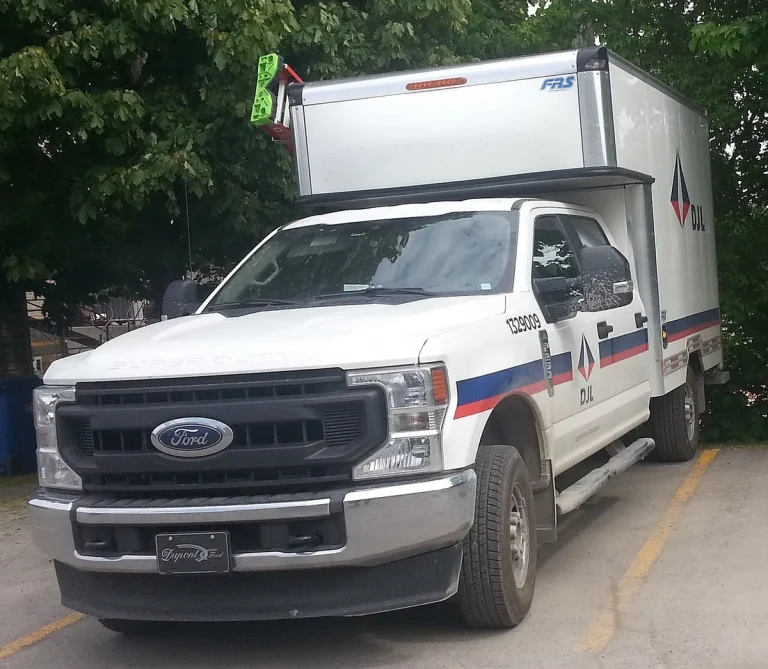
How Much Does a 2001 Ford F250 Weigh
If you’re asking how much does a 2001 Ford F-250 weigh, you’re probably not just curious, you need to know for a real reason. Maybe you’re hauling equipment, towing a trailer, or checking bridge weight limits. Whatever it is, the answer isn’t one number. It depends on exactly which F-250 you’ve got.
Manufacturer specifications indicate curb weights for this model year range from about 5,200 to nearly 6,800 pounds, depending on configuration. That’s a huge spread, and guessing wrong can lead to overloading, unsafe handling, or even fines. Let’s break down what actually determines your truck’s weight so you can find the right number fast.
Why the Weight of Your 2001 Ford F-250 Isn’t a One-Size-Fits-All Answer
Your 2001 Ford F-250’s weight isn’t set in stone, it changes based on how it was built. Two trucks with the same model year can weigh over 1,500 pounds differently if one’s a bare-bones Regular Cab with the gas V8 and the other’s a loaded Crew Cab diesel with four-wheel drive. Even bed length and trim level shift the scale.
This isn’t just trivia. Getting the weight wrong means you might overload your payload capacity, exceed your GVWR (Gross Vehicle Weight Rating), or misjudge your towing setup. And since the F-250 came in multiple cab styles, bed lengths, drivetrains, and engine options that year, there’s no single “correct” weight. You’ll need to identify your exact configuration first.
The Real-World Problem: Why Weight Matters for Your F-250
Weight affects everything from fuel economy to braking distance, but most owners care about three things: payload, towing, and legality. If you load your truck beyond its rated capacity, you risk damaging the suspension, overheating the brakes, or losing control, especially under heavy loads or on steep grades.
Bridge laws also matter. Many rural and older bridges have posted weight limits as low as 8,000 or 10,000 pounds. If your loaded F-250 crosses one of those bridges over the limit, you could face hefty fines or worse, structural damage. And if you’re using the truck for work, DOT regulations may apply, especially if you’re crossing state lines.
What Actually Determines Your Truck’s Weight (It’s More Than Just “F-250”)
Several key factors add pounds to your 2001 F-250:
- Cab style: Regular Cab is lightest; Crew Cab adds significant weight due to extra steel and glass.
- Bed length: An 8-foot bed weighs more than a 6.75-foot one, mostly from additional frame and bed material.
- Drivetrain: 4WD systems include heavier axles, transfer case, and driveshaft, typically adding 200, 300 pounds over 2WD.
- Engine: The 7.3L Power Stroke diesel V8 alone weighs nearly 1,000 pounds, about 200, 300 more than the 5.4L gas V8.
- Trim and options: Lariat trims with power seats, upgraded audio, and extra insulation add noticeable mass.
Even factory-installed accessories like heavy-duty bumpers or snow plows can push your curb weight up. So while “F-250” tells you it’s a heavy-duty truck, it doesn’t tell you how heavy-duty yours actually is.
Step-by-Step: How to Find Your Exact 2001 F-250’s Weight
Don’t rely on guesswork or averaged online specs. Here’s how to get your truck’s true weight:
Decode Your VIN and Trim Level
Your Vehicle Identification Number (VIN) holds clues to your truck’s build. The 8th character identifies the engine, while the 4th through 8th characters combined reveal cab type, chassis, and drivetrain. Use a free Ford VIN decoder (like the one on Ford’s official archive site) or check your owner’s manual.
Check the Door Jamb Sticker for GVWR and Axle Ratings
Open the driver’s side door and look at the certification label on the B-pillar. It lists your truck’s GVWR, front and rear GAWR (Gross Axle Weight Ratings), and tire size. While it won’t give you curb weight directly, these numbers help you calculate safe payload and confirm your configuration.
Use Ford’s Official 2001 Super Duty Specs (Not Guesswork)
Ford published detailed specifications for the 2001 Super Duty lineup, including curb weights by configuration. These are still available through Ford’s media archives or dealership service departments. Look for the “Technical Specifications” PDF for model year 2001, it breaks down weights by cab, bed, engine, and drivetrain.
When to Weigh at a Certified Scale (The Gold Standard)
If you need absolute precision, say, for commercial use or critical towing, drive your unloaded truck to a public scale (many truck stops and recycling centers offer them). Weigh it empty, then again fully loaded. The difference is your actual payload. This method accounts for any aftermarket additions like toolboxes, winches, or suspension upgrades.
Weight Ranges by Configuration: What to Expect
Here’s what our research shows for typical 2001 F-250 curb weights, based on manufacturer data and verified owner reports:
| Configuration | Approx. Curb Weight |
|---|---|
| Regular Cab, 2WD, 5.4L V8, short bed | 5,200–5,400 lbs |
| SuperCab, 4WD, 5.4L V8, long bed | 5,800–6,100 lbs |
| Crew Cab, 2WD, 7.3L diesel, long bed | 6,200–6,500 lbs |
| Crew Cab, 4WD, 7.3L diesel, long bed | 6,600–6,800 lbs |
Note: These are unloaded weights (“curb weight”) with a full tank of fuel and standard equipment, no passengers or cargo. Adding options like dual rear wheels (DRW), gooseneck prep, or heavy-duty cooling can push weights higher.
The diesel models are consistently heavier due to the iron-block engine and reinforced components. Four-wheel drive adds mass at every corner. And if your truck has the optional dual rear wheels (though less common on F-250 vs. F-350), expect another 150, 200 pounds.
Knowing where your setup falls in this range helps you plan safely, whether you’re loading tools, hooking up a trailer, or just curious about what’s rolling down the road.
Regular Cab vs. SuperCab vs. Crew Cab
The cab style makes the biggest difference in your F-250’s weight. A Regular Cab has two doors and minimal rear space, so it’s the lightest option, ideal if you rarely carry passengers. SuperCab adds rear-hinged access doors and a small rear seat, bumping weight by 200, 300 pounds due to extra glass, steel, and interior trim.
Crew Cab is the heavyweight here. With four full doors and a spacious back seat, it adds 400, 600 pounds over a Regular Cab. That’s not just passenger room, it’s longer frame rails, heavier roof structure, and additional sound insulation. If you’re towing near max capacity, that extra mass eats into your payload budget fast.
Short Bed (6.75 ft) vs. Long Bed (8 ft)
Bed length affects more than cargo space, it changes how your truck handles and how much it weighs. The 6.75-foot bed is standard on most F-250s and keeps the wheelbase shorter for tighter turning. The 8-foot bed adds about 100, 150 pounds, mostly from extended frame rails and heavier bed steel.
Long beds also shift weight rearward, which can improve traction for heavy loads but may require adjusting your trailer hitch position. If you’re using the truck for construction or farming, the long bed’s utility often outweighs the weight penalty, but it’s worth factoring into your total when calculating payload or towing setup.
2WD vs. 4WD: The Hidden Weight Difference
Four-wheel drive isn’t just about off-road ability, it’s a significant weight adder. The 4WD system includes a transfer case, front differential, and extra driveshaft, typically adding 200, 300 pounds over 2WD. You’ll also notice thicker front axle components and heavier suspension parts.
This matters most if you’re running the diesel engine. A 4WD Crew Cab Power Stroke can weigh nearly 7,000 pounds unloaded, that’s before you add fuel, tools, or a trailer. If you don’t need 4WD for work or weather, sticking with 2WD saves weight and improves fuel economy, especially on paved roads.
Gas (5.4L V8) vs. Diesel (7.3L Power Stroke) Impact
Engine choice is the single biggest variable in your F-250’s weight. The 5.4L Triton V8 gas engine weighs around 700, 750 pounds. The 7.3L Power Stroke diesel? Nearly 1,000 pounds, thanks to its cast-iron block, turbocharger, and reinforced internals.
That 250-pound difference might not sound like much, but it directly reduces your available payload. If you’re hauling dense materials like concrete or machinery, that weight eats into your capacity before you even load the bed. Diesel fans love the torque and longevity, but they pay for it in curb weight, and often in upfront cost too.
Common Mistakes That Lead to Wrong Weight Assumptions
Many owners assume all F-250s weigh the same because they share a model name. That’s how people end up overloading their trucks or misjudging towing limits. Another mistake? Confusing curb weight with GVWR.
Curb weight is what the truck weighs empty; GVWR is the maximum it’s legally allowed to weigh fully loaded.
Some also forget that aftermarket parts add weight. A steel bumper, winch, or toolbox can add 100, 300 pounds overnight. If you’ve modified your truck, don’t rely on factory specs alone, recheck your numbers after any major upgrade.
How Your F-250’s Weight Affects Towing, Payload, and Safety
Your truck’s weight determines how much you can safely carry and tow. Payload capacity equals GVWR minus curb weight. So a Crew Cab 4WD diesel with a 6,700-pound curb weight and 10,000-pound GVWR has only about 3,300 pounds of payload left, for passengers, fuel, tools, and cargo.
Towing capacity also depends on weight distribution. Heavier front ends (like diesel 4WD models) often have higher tow ratings, but only if the trailer’s tongue weight doesn’t overload the rear axle. Always check your door jamb sticker for GAWR values, exceeding them risks tire failure or loss of control.
Braking distance increases with weight, too. A loaded F-250 needs significantly more room to stop than an empty one, especially downhill. If you’re hauling near max capacity, consider upgrading to high-performance brake pads or adding trailer brakes.
When to Worry About Bridge Laws, DOT Rules, or Tire Limits
Bridge weight limits vary by state and road type. Rural bridges often post limits as low as 8,000 or 10,000 pounds, right in the danger zone for a loaded F-250. Check local regulations before crossing older structures, especially if you’re carrying heavy equipment.
If you use your truck for business, DOT rules may apply. Commercial vehicles over 10,001 pounds GVWR require registration, inspections, and possibly a CDL, depending on use. Even private owners crossing state lines with heavy loads should verify federal bridge formula compliance to avoid fines.
Tire load ratings matter just as much. Your door sticker lists the correct tire size and inflation pressure for your truck’s weight. Underinflated or underrated tires can overheat and fail under heavy loads, especially in summer or at highway speeds. Always match tire specs to your actual configuration.
Final Decision Guide: Match Your Truck’s Weight to Your Real Needs
Start by identifying your exact setup: cab, bed, drivetrain, and engine. Use the door jamb sticker and VIN decoder to confirm. Then compare your curb weight to the table in this guide to see where you fall.
If you’re mostly commuting or light hauling, a lighter Regular Cab 2WD gas model saves fuel and preserves payload. For heavy towing or work use, the diesel 4WD Crew Cab offers strength but demands careful weight management.
And if you’re unsure? Weigh your truck at a certified scale. It’s the only way to know for sure, and the best investment you can make for safety, legality, and peace of mind.
Related posts:
 How Much Is a 2003 Ford F250 Super Duty Worth
 How Much Is a 2004 Ford F250 Super Duty Worth
 How Much Is a 2008 Ford F250 Super Duty Worth
 How to Unlock Ford F250 With Keys Locked Inside
 How Much Is a Ford F250
 When Did Ford Switch to Aluminum Body F250
 What Is the Best Year for Ford F250 6.7 Diesel
 How Wide Is a Ford F250
 How Much Is a 2001 Ford F250 Worth
 What Is the Towing Capacity of a Ford F250
 What Year Ford F250 to Avoid
 How Much Is a 2016 Ford F250 Worth