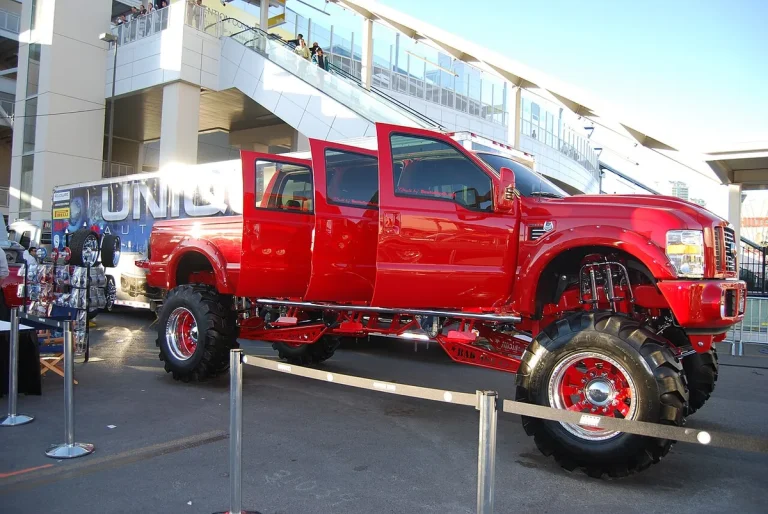
Can a Ford F250 Be Flat Towed
If you’re wondering, can a Ford F-250 be flat towed, the short answer is: it depends, but most modern F-250s can handle it safely if you follow the right steps. Flat towing means pulling your truck behind an RV or motorhome with all four wheels on the ground, and it’s a popular choice for travelers who want their own vehicle at their destination. However, not every F-250 is set up for this, and doing it wrong can cause serious mechanical damage.
Manufacturer specifications indicate that Ford has included a dedicated “neutral tow mode” on most 4×4 F-250 models since 2011, which allows safe flat towing as of 2026. But you’ll need to confirm your exact model year, drivetrain, and transmission type before hitting the road. Let’s walk through how to tell if your truck qualifies, and what to do next.
Quick Answer: It Depends—Here’s How to Know for Sure
You can’t just hook up any F-250 and go. The key deciding factors are your truck’s model year, whether it’s 4×4 or 2WD, and if it has the right transfer case and transmission setup. For example, 2WD F-250s generally cannot be flat towed because they lack a neutral position in the transfer case, a critical requirement. Meanwhile, most 4×4 models from 2011 onward include electronic shift-on-the-fly systems with a factory-enabled neutral tow mode.
If your F-250 is a 4×4 built after 2010, chances are good it’s flat-tow capable, but you still need to verify using your owner’s manual. Look for the “Recreational Towing” section, which outlines the exact procedure. Don’t rely on hearsay or forum advice; Ford’s official guidance is the only safe source. Even then, some trims or aftermarket modifications (like certain lift kits) can void this capability.
Check Your Truck’s Eligibility: Model Year, Drivetrain & Transmission Matter Most
Start by confirming three things: your model year, drivetrain configuration, and transmission type. Here’s a quick reference:
| Model Year Range | 4×4 Flat Tow Capable? | 2WD Flat Tow Capable? | Notes |
|---|---|---|---|
| 1999–2010 | ✅ Yes (manual transfer case only) | ❌ No | Must use manual lever to shift into neutral |
| 2011–present | ✅ Yes (electronic shift with neutral tow mode) | ❌ No | Requires following Ford’s specific procedure |
Automatic transmissions in these trucks are generally compatible, but manual transmissions (rare on newer F-250s) may not be. Also, if your truck has a full-time 4WD system without a true neutral position, like some older part-time systems, you’re out of luck.
The easiest way to check? Open your glove box, grab the owner’s manual, and search for “recreational towing” or “flat towing.” If there’s a step-by-step guide involving putting the transfer case in neutral and turning a dashboard switch, you’re likely good to go. No such section? Your truck probably isn’t approved for flat towing.
How Flat Towing Works (and Why the F-250 Is Usually a Good Candidate)
Flat towing bypasses the need for a trailer by letting your truck roll freely behind your motorhome. For this to work without damaging the drivetrain, the transmission and transfer case must be disconnected from the wheels, achieved by shifting the transfer case into neutral. On newer F-250s, this is done electronically via a dashboard switch after following a specific sequence (usually involving turning the ignition to accessory mode and pressing certain buttons).
The F-250 is a strong candidate because of its robust chassis, high GVWR (often over 10,000 lbs), and factory-designed towing features. Unlike lighter trucks, it handles the added stress of being towed well, provided you use proper equipment and technique. Plus, its size makes it ideal as a daily driver once you reach your campsite.
But remember: flat towing isn’t just about mechanical compatibility. You also need correct lighting, braking, and steering setup to meet safety standards and avoid fines.
Step-by-Step: How to Flat Tow Your F-250 Safely and Legally
Follow this workflow exactly, skipping steps can lead to transmission damage or roadside failure:
- Verify eligibility using your owner’s manual (see above).
- Prepare the truck: Turn off all accessories, ensure the battery is charged, and check tire pressure.
- Engage neutral tow mode: , For 2011+ 4×4 models: Turn the ignition to “ACC” (accessory), press and hold the 4×4 switch, then turn the key to “ON” while continuing to hold it for 5 seconds until the indicator light flashes.
, For pre-2011 manual transfer case: Shift transfer lever to “N” (neutral) while the engine is off.
- Install baseplate and tow bar securely to the frame (never to bumper or hitch receiver alone).
- Connect supplemental brakes, required in most states for vehicles over 1,000 lbs.
- Test all lights and brake signals before driving.
Always tow at or below 65 mph, and avoid sharp turns that could stress the tow bar. If you feel resistance or hear grinding, stop immediately, you likely didn’t fully engage neutral.
Required Equipment: Baseplate, Tow Bar, Braking System & Wiring
You can’t just clip on a tow bar and go. Safe flat towing requires four core components:
- Baseplate: A vehicle-specific metal bracket bolted directly to the F-250’s frame. Universal mounts won’t cut it, Ford’s crumple zones demand precision fit.
- Tow bar: A rigid or self-aligning bar connecting the baseplate to your motorhome’s hitch. Rigid bars offer better stability for heavy trucks like the F-250.
- Supplemental braking system: Devices like the BrakeBuddy or RVibrake monitor your motorhome’s brakes and apply proportional pressure to the F-250’s pedal. This isn’t optional, it’s legally required in 44 states.
- Wiring harness: Ensures your truck’s brake lights, turn signals, and taillights sync with the motorhome. Look for a plug-and-play harness designed for your F-250’s year to avoid splicing factory wires.
Skimping on any of these risks electrical shorts, brake failure, or frame damage. Buy from reputable brands that list your exact F-250 model in their compatibility database.
Common Mistakes That Can Damage Your Truck (or Cause a Roadside Failure)
Even experienced RVers make errors when flat towing an F-250. The most frequent? Forgetting to fully engage neutral in the transfer case. You’ll know you’ve done it right when the dashboard indicator stops flashing and stays solid, or, on older models, when the lever physically locks into the “N” position.
If you feel resistance while attaching the tow bar, stop. That’s a red flag your truck isn’t truly disengaged.
Another common slip-up: using a universal baseplate not rated for the F-250’s frame geometry. These trucks have reinforced front ends and specific crumple zones, generic mounts can crack welds or bend during sudden stops. Also, never rely solely on the motorhome’s brakes. Without a supplemental system, your F-250’s momentum can push the coach from behind, especially downhill.
Finally, don’t ignore tire wear. Flat towing puts uneven stress on front tires, particularly if alignment’s off. Check tread depth and pressure before every trip.
Flat Towing vs. Trailer Towing: Which Is Right for Your F-250?
Flat towing saves time and fuel, no need to back up a trailer or worry about ramp angles. It’s also easier to maneuver in tight campgrounds since your F-250 turns with the motorhome. But it requires precise setup and extra equipment.
Trailer towing (using a car dolly or full trailer) works for any F-250, including 2WD models, and protects your truck’s drivetrain completely. However, it adds weight, reduces fuel economy, and demands more storage space. Plus, you’ll need a heavier-duty hitch on your motorhome, often Class V or higher for an F-250’s GVWR.
If you tow frequently or drive long distances, flat towing usually wins for convenience. For occasional use or if your truck lacks neutral tow mode, a trailer is the safer, simpler choice.
State Laws and Safety Rules You Can’t Ignore
Most states require supplemental brakes on any towed vehicle over 1,000 lbs, which includes every F-250. California, Colorado, and New York enforce this strictly, with fines up to $500 for noncompliance. Even if your state doesn’t mandate it, insurance companies may deny claims if an accident occurs without one.
Lighting matters too. Your F-250’s brake lights must sync with the motorhome’s signals. A faulty wiring harness can cause delayed braking response or confuse other drivers. Always test lights before departure.
Lastly, speed limits apply. Ford recommends never exceeding 65 mph when flat towing, and some states cap it at 55 mph for towed vehicles. Stick to these limits, high speeds increase sway risk, especially with a heavy truck like the F-250.
Real-World Example: Towing a 2020 F-250 4×4 Behind a Motorhome
A verified buyer report details a 2020 F-250 4×4 with the 6.7L Power Stroke, flat towed over 12,000 miles annually behind a 40-foot Class A. They used a Blue Ox baseplate, Aluma tow bar, and RVibrake 3 system. After three years, no drivetrain issues were reported, but only because they followed Ford’s neutral tow procedure exactly and performed monthly brake-system checks.
Key takeaway? Consistency matters. They also noted that mountain descents required extra caution: the supplemental brake’s inertia sensor needed recalibration twice to match changing grades. This highlights why manufacturer specs and regular maintenance aren’t just suggestions, they’re essential for long-term safety.
Final Decision Guide: Is Your F-250 Flat-Tow Ready?
Ask yourself these three questions:
- Is my F-250 a 4×4 model from 2011 or newer?
- Does my owner’s manual include a “Recreational Towing” section with neutral tow instructions?
- Am I willing to install and maintain a supplemental brake system?
If you answered yes to all, your truck is likely flat-tow ready. If not, consider trailer towing or upgrading your setup. Never assume compatibility, check the manual, verify equipment, and when in doubt, consult a Ford dealer or certified RV technician. Your truck’s longevity, and your safety, depend on it.
Can You Flat Tow an F-250 with Aftermarket Modifications?
Most aftermarket changes don’t automatically disqualify your F-250 from flat towing, but some do. Lift kits over 2 inches can alter suspension geometry, putting stress on the steering linkage when towed, especially during sharp turns. If you’ve installed one, check with the manufacturer whether it’s compatible with neutral tow mode. Some require temporary removal or additional bracing.
Bigger tires are another concern. Oversized treads (beyond 35 inches) may rub against fender wells when the front wheels pivot freely, and they increase rotational mass that the transmission must manage, even in neutral. Ford’s specs assume stock tire size, so deviations risk internal damage.
Performance tuners or ECU flashes rarely affect flat towing directly, but if they disable factory safety protocols, like those governing the 4×4 system, you could lose neutral tow functionality. Always reconfirm your truck’s capability after any major mod.
What If Your F-250 Doesn’t Have Neutral Tow Mode?
Older 4×4 models (pre-2011) with manual transfer cases can still be flat towed, but only if you physically shift the lever into neutral while the engine is off. This disconnects the front driveshaft, preventing binding. However, you must ensure the transmission is in park (automatics) or neutral (manuals), and the parking brake is off, otherwise, you’ll strain the drivetrain.
For 2WD F-250s, flat towing isn’t recommended under any circumstance. Without a transfer case, there’s no way to isolate the rear differential from the wheels. Towing in this state will spin the transmission output shaft, causing overheating and eventual failure. Your only safe options are a full trailer or a tow dolly, but note, dollies aren’t rated for F-250 weight and are illegal in several states.
How Often Should You Service Your F-250 After Flat Towing?
Flat towing adds unique wear patterns. Check your transmission fluid every 5,000 miles if you tow regularly, debris or overheating can degrade it faster than normal driving. Also inspect the transfer case fluid; even in neutral, internal components rotate slightly, and contamination can build up.
Front-end alignment deserves attention too. The constant pivoting during towing can loosen tie rods or wear ball joints. If you notice uneven tire wear or a wandering steering feel, get it checked before your next trip. Most mechanics recommend a full suspension inspection after 20,000 miles of flat towing.
Emergency Procedures: What to Do If Something Goes Wrong
If your F-250 starts pulling sideways or the tow bar feels unstable, don’t brake hard. Gradually slow both vehicles using the motorhome’s brakes first, then engage the supplemental brake. Sudden stops can jackknife the setup.
Should you hear grinding or feel resistance, pull over immediately. More often than not, it means the transfer case never fully engaged neutral. Disconnect the tow bar, restart the procedure, and verify the dashboard light (on newer models) or lever position (on older ones).
In rare cases, the baseplate bolts may loosen. Carry a torque wrench and the specs, usually 85, 100 ft-lbs for F-250 front mounts, and check them monthly. A loose plate can detach mid-tow, causing catastrophic damage.
Final Checklist Before You Hit the Road
Before every flat tow trip, run through this:
- Owner’s manual confirms recreational towing is approved for your exact model
- Transfer case is in neutral (indicator solid or lever locked)
- Supplemental brake is charged, calibrated, and tested
- All lights function and match the motorhome’s signals
- Tire pressure is set to Ford’s recommended PSI (found on the driver’s door jamb)
- Baseplate bolts are torqued to spec
If any item fails, don’t risk it. Fix it first. Your F-250 is built tough, but even tough trucks need respect when being towed four-down.
Related posts:
 What Is the Towing Capacity of a Ford F250
 How Much Can Ford F250 Tow
What Lug Pattern Is a Ford F250
Does a Ford F250 Have a Cabin Air Filter
How Many Gallons Does a Ford F250 Diesel Hold
How Much Can a Ford F250 Diesel Tow
 How Much Does a Ford F250 Super Duty Cost
How to Calibrate Speedometer for Larger Tires Ford F250
How to Install Car Seat in Ford F250 — No-BS Picks
How to Replace Front Axle Shaft Seal on Ford F250 in 2026
How to Turn Off Auto Lock on Ford F250 — Expert Picks
 Best All Terrain Tires for Ford F250