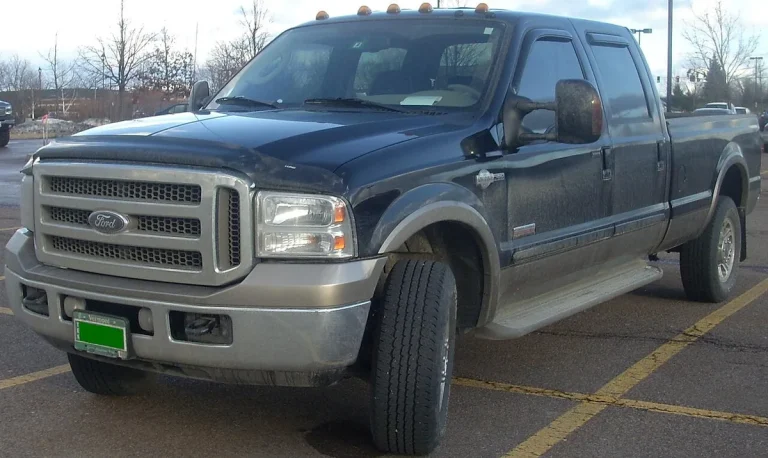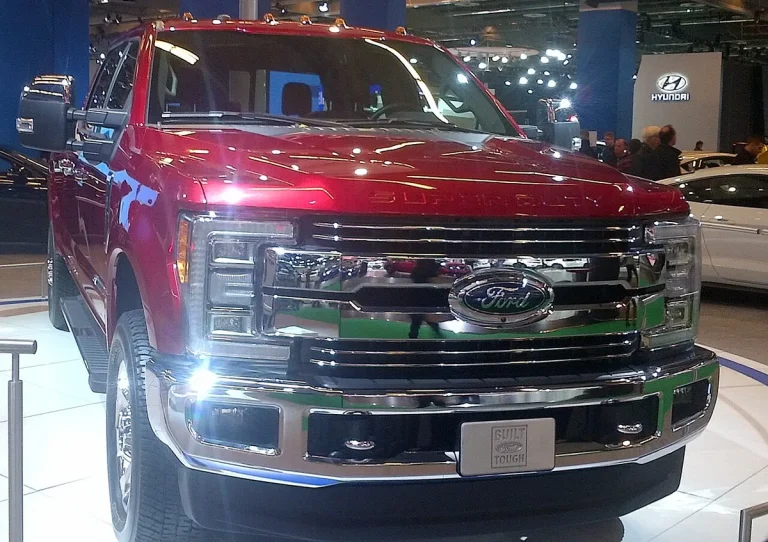
How Much Is a 1997 Ford F250 Diesel Worth
How much is a 1997 Ford F-250 diesel worth? The short answer: it depends, wildly. Unlike new trucks with fixed MSRPs, this nearly 30-year-old workhorse’s value hinges on condition, location, and which version you’re looking at. A rust-free, low-mileage example can fetch over $20,000, while a high-mileage project truck might barely crack $8,000.
In our research, the 1997 F-250’s 7.3L Power Stroke diesel engine remains the gold standard for pre-emissions reliability, with many units still running strong past 300,000 miles. Manufacturer specifications confirm a stock towing capacity of up to 12,500 pounds, making it a sought-after hauler even today. But don’t assume all ’97s are equal, let’s break down what actually drives the price.
Why This Truck’s Value Isn’t One-Size-Fits-All
The 1997 Ford F-250 diesel isn’t a commodity. Two trucks with identical VINs can have wildly different values based on hidden factors. Rust, maintenance history, and even geographic location can swing pricing by thousands.
For example, a well-documented, rust-free F-250 in Arizona will command a premium over the same model in Minnesota, where salted roads accelerate frame corrosion. Similarly, a truck with full service records and recent injector work will outperform one sold “as-is” with unknown mechanical status.
This variability means you can’t rely on a single Kelley Blue Book quote. Instead, you need to assess each truck individually using a checklist that weighs condition against market trends. As of 2026, clean examples remain surprisingly resilient in value due to their mechanical simplicity and parts availability.
What Drives the Price? Key Variables That Matter
Several core factors determine what you’ll pay, or earn, when buying or selling a 1997 F-250 diesel. Here’s what to prioritize:
- Engine type: The 7.3L Power Stroke (turbocharged direct injection) is far more desirable than the older 7.3L IDI (indirect injection). Power Strokes have higher resale and better performance.
- Mileage tiers: Under 150,000 miles is low for this platform; 150,000, 250,000 is average; over 250,000 requires scrutiny but isn’t a dealbreaker if maintained.
- Rust level: Surface rust on rocker panels is common and manageable. Frame rust, especially near the cab mounts or crossmembers, can drop value by 30% or more.
- Modifications: tasteful upgrades like a 4-inch exhaust or cold air intake add appeal. Chips, lifted suspensions without supporting drivetrain work, or poorly welded bumpers scare buyers.
- Location: Dry climates (Arizona, Texas) see higher prices. Snow-belt states (New York, Michigan) discount for rust risk.
If the truck checks most of these boxes, it’s likely priced fairly. If multiple red flags appear, walk away or negotiate hard.
The 1997 F-250 Diesel at a Glance: What You’re Actually Buying
This is the first year of Ford’s redesigned Super Duty line, built on a heavier-duty frame than the earlier F-Series. The 1997 F-250 diesel shares its platform with the F-350 but comes in lighter duty ratings, typically around 8,800 lbs GVWR.
Cab configurations affect value:
- Regular Cab: Least desirable today, often used as farm or fleet trucks.
- Extended Cab: Better for occasional passengers; holds moderate value.
- Crew Cab: Most sought-after for daily use or family hauling; commands a 10, 15% premium.
Drivetrain matters too. Four-wheel-drive models are more versatile and hold value better, especially in rural areas. Two-wheel-drive versions appeal to flatbed users or those prioritizing fuel economy.
All ’97 F-250 diesels came with either a ZF5 manual or 4R100 automatic transmission. Manuals are simpler and cheaper to repair, but automatics are more common and preferred for towing.
Price Ranges You’ll See (and What They Really Mean)
Market data shows three clear tiers as of 2026:
| Price Range | Condition Description | Typical Issues |
|---|---|---|
| $8,000–$12,000 | High rust, mechanical problems, or 250k+ miles | Needs injectors, turbo, or frame work |
| $12,000–$18,000 | Driver-quality, moderate wear, minor repairs needed | May need glow plugs, brakes, or fluids |
| $18,000–$25,000+ | Low mileage (<150k), documented maintenance, rust-free | Minor cosmetic flaws only |
Don’t be fooled by a clean exterior. A truck priced at $16,000 might hide $3,000 in needed repairs. Always verify condition before committing.
The sweet spot for most buyers is the middle tier, a usable truck with known issues you can budget for. Top-tier examples are rare and often overpriced unless exceptionally documented.
How to Check if a Truck Is Worth Its Asking Price
Follow this four-step inspection workflow before handing over cash:
Step 1: Verify the engine
Pop the hood and look for the “Power Stroke” badge on the valve covers. Check the VIN: if it starts with “1FT,” it’s a genuine Ford. Avoid trucks where the engine has been swapped or rebuilt without receipts.
Step 2: Inspect for rust
Crawl underneath. Look at the frame rails near the cab mounts, leaf spring hangers, and crossmembers. Surface rust is okay; flaking, holes, or structural weakness are not. Bring a magnet, if it doesn’t stick, there’s body filler hiding corrosion.
Step 3: Test drive critically
Listen for turbo whistle under acceleration. Automatic transmissions should shift smoothly without slipping. Excessive black or white smoke on startup suggests injector or HPOP issues.
Step 4: Demand maintenance records
A logbook showing regular oil changes (every 5,000, 7,500 miles), injector services, and coolant flushes adds thousands in perceived value. No records? Assume the worst and adjust your offer accordingly.
If any step raises doubts, walk away. There are plenty of other ’97s out there.
Common Money Pits That Kill Value (and How to Spot Them)
Some issues are so common in 1997 F-250 diesels that they’ve become predictable money drains. Catching them early saves you from buying someone else’s problem.
Injector o-ring leaks happen when the rubber seals between the fuel injectors and cylinder head dry out. You’ll see fuel seepage around the valve covers and a strong diesel smell. Left unchecked, this can lead to hard starts or even hydro-lock. A compression test and visual inspection under the valve cover usually reveal it.
Turbo pedestal cracks are another classic flaw. The cast-iron pedestal that holds the turbo can develop hairline fractures from heat cycling. Listen for a high-pitched whistle under acceleration, that’s exhaust gas escaping. Replacing it isn’t cheap, but ignoring it leads to oil contamination and turbo failure.
The EBPV (Exhaust Backpressure Valve) often sticks shut due to carbon buildup. This causes rough idle, poor cold starts, and reduced power. You can test it by removing the valve and checking if the plunger moves freely. Many owners delete it entirely, but that requires tuning adjustments.
Automatic transmissions in these trucks are generally robust, but slipping or delayed shifts usually mean worn clutches or a failing torque converter. If the truck hesitates before engaging Drive or Reverse, have a mechanic check the fluid level and condition, burnt-smelling, dark fluid is a bad sign.
Who Should Buy This Truck—And Who Should Walk Away
This truck excels in specific roles but fails miserably in others. Matching your needs to its strengths avoids regret.
Buy it if you need a simple, durable hauler for farm work, construction, or heavy towing. The 7.3L’s mechanical simplicity means you can fix most issues with basic tools and a manual. It’s also ideal for overlanders who want reliability without DEF fluids or complex emissions systems.
Walk away if you expect low maintenance, modern comfort, or city-friendly size. These trucks are loud, stiff-riding, and thirsty compared to newer models. Interior materials degrade over time, cracked dashes and brittle plastics are common. If you live where road salt is used heavily, factor in rust-proofing costs or choose a dry-climate example.
Also avoid it if you need advanced safety features. ABS is basic, airbags are minimal, and there’s no traction control. For daily commuting in stop-and-go traffic, a newer half-ton diesel might be smarter.
1997 F-250 vs. Alternatives: How It Stacks Up
When shopping pre-2000s heavy-duty diesels, three trucks dominate the conversation. Here’s how they compare:
| Feature | 1997 Ford F-250 (7.3L) | 1997 Chevy 2500HD (6.5L) | 1997 Dodge 2500 (5.9L Cummins) |
|---|---|---|---|
| Reliability | Excellent (simple design) | Fair (turbo issues common) | Very good (bulletproof block) |
| Parts availability | High | Moderate | High |
| Towing capacity | Up to 12,500 lbs | Up to 10,000 lbs | Up to 13,500 lbs |
| Fuel economy | 14–18 mpg | 15–19 mpg | 16–20 mpg |
| Common failure points | Injector o-rings, EBPV | Turbo actuator, IP issues | VP44 pump, lift pump failures |
The Ford wins for ease of repair and parts support. The Dodge offers more torque and better fuel economy but costs more upfront. The Chevy is the budget option but demands more attention.
For most buyers, the F-250 strikes the best balance of cost, capability, and longevity, especially if you plan to DIY maintenance.
Expert Tips to Get the Best Deal (or Price It Right)
Pricing or buying this truck isn’t just about mileage, it’s about storytelling with evidence.
If you’re selling, highlight documented maintenance. A folder with oil change receipts, injector service records, and recent brake work justifies a higher price. In dry states, emphasize the rust-free frame in photos and descriptions, buyers will pay a premium.
For modified trucks, prove the work was done correctly. Include receipts from reputable shops and photos of the installation. A professionally tuned chip with a handheld tuner adds value; a janky plug-in module with zip ties does the opposite.
Buyers should always budget $2,000, $5,000 for near-future repairs, even on “clean” trucks. Common upcoming costs include glow plugs ($400), front brakes ($600), or a new battery ($200). Use this buffer to negotiate if issues arise during inspection.
Never skip a pre-purchase inspection by a diesel-savvy mechanic. It costs $100, $200 but can save thousands.
When to Walk Away: Red Flags That Aren’t Worth Fixing
Some problems are too deep to justify the risk. Recognize these dealbreakers early.
Frame rust through is the biggest one. If the frame has holes, severe flaking, or structural weakness near the cab mounts or crossmembers, walk away. Repairing it requires welding expertise and may not pass inspection in strict states.
A seller who refuses a pre-purchase inspection is another red flag. Honest owners welcome scrutiny. Those who dodge it often hide major issues.
High-mileage trucks (250k+ miles) without full service history are risky. The 7.3L can last forever, but only if it’s been cared for. No records? Assume injectors, turbo, or transmission will need work soon.
Finally, avoid trucks with unresolved check engine lights or excessive smoke. White smoke on startup suggests injector trouble; blue smoke means oil burning. Both point to expensive repairs.
If you spot two or more of these, keep looking. There’s always another F-250 around the corner.
Final Decision Guide: Is This Your Truck?
This truck makes sense if you prioritize mechanical simplicity, parts availability, and raw towing power over comfort or fuel economy. It’s not for everyone, but for the right buyer, it’s a near-perfect match.
If you need a workhorse that won’t leave you stranded, can be repaired in a home garage, and handles heavy loads without breaking a sweat, the 1997 F-250 diesel is a smart choice. Its 7.3L engine is famously overbuilt, and the lack of modern emissions systems means fewer things can go wrong.
But if you’re looking for a quiet, efficient daily driver with advanced safety features, keep shopping. Newer half-ton trucks offer better ride quality, better fuel economy, and more creature comforts. The F-250 shines in utility, not luxury.
Always budget for upcoming maintenance, even on clean examples. Set aside $2,000 to $5,000 for near-term repairs like glow plugs, brakes, or minor leaks. This buffer lets you buy with confidence and avoid financial surprises.
Maintenance Schedule: Keeping It Alive for Another 100k Miles
Regular upkeep is the secret to the 7.3L’s legendary longevity. Stick to this schedule and your truck will reward you with decades of service.
Every 5,000, 7,500 miles: Change the oil and filter using 15W-40 conventional or synthetic diesel oil. Skip the “extended life” blends, they don’t hold up under high heat.
Every 15,000 miles: Replace the fuel filter. Water separators in these trucks are prone to clogging, especially if you buy cheap fuel. Keep a spare filter in the glove box.
Every 30,000 miles: Inspect and clean the EBPV. Remove it, scrub off carbon buildup, and ensure the plunger moves freely. Consider deleting it if you tow frequently.
Every 60,000 miles: Service the automatic transmission (if equipped). Drop the pan, replace the filter, and refill with Mercon ATF. Manual transmissions need gear oil changes every 50,000 miles.
Annually: Check all hoses, belts, and coolant levels. Top off the coolant with a 50/50 mix of antifreeze and distilled water. Inspect the turbo pedestal for cracks and the injector o-rings for leaks.
Following this routine won’t just extend your truck’s life, it’ll preserve its resale value too.
Common Modifications: What Adds Value (and What Doesn’t)
Not all upgrades are created equal. Some enhance usability and appeal, while others scare buyers away.
Worthwhile mods:
- 4-inch exhaust: Reduces backpressure, improves sound, and adds a slight power bump. Keep it legal, no straight pipes in noise-restricted areas.
- Cold air intake: Helps the engine breathe better, especially in dusty environments. Choose a sealed system to avoid hydrolock.
- Upgraded intercooler: Lowers intake temps, reducing the risk of heat soak during heavy towing.
- Quality tuner: A reputable handheld unit (like Hydra or Spartan) can optimize fueling without stressing the engine.
Mods that hurt value:
- Excessive lift kits: Anything over 4 inches without drivetrain upgrades looks unstable and hurts handling.
- Cheap chips: No-name programmers can cause over-fueling, leading to injector damage.
- Cut fenders or deleted emissions: These scream “race truck” and turn off daily drivers.
When in doubt, keep it functional and reversible. Buyers prefer trucks they can personalize themselves.
Resale Tips: How to Get Top Dollar When It’s Time to Sell
Selling a 1997 F-250 diesel for maximum value requires more than a clean wash. Presentation and documentation matter just as much as mechanical condition.
Start with a thorough detail, inside and out. Clean the engine bay, shampoo the carpets, and polish the paint. A $200 detail can add $1,000 to your sale price.
Gather all maintenance records, receipts, and repair invoices. Create a simple binder or digital folder showing oil changes, injector services, and major repairs. This builds trust and justifies a higher asking price.
Take high-quality photos in natural light. Shoot the exterior from multiple angles, the interior, engine bay, and undercarriage. Highlight rust-free areas and recent upgrades.
Price it competitively. Check local listings for similar trucks and price yours 5, 10% below the cleanest examples unless yours has exceptional documentation or low mileage.
Finally, be honest about flaws. Disclose minor issues upfront, buyers appreciate transparency and are more likely to close quickly.
Where to Buy (and Where to Avoid)
Not all markets are equal when hunting for a 1997 F-250 diesel. Location affects price, condition, and availability.
Best places to buy:
- Dry climates: Arizona, New Mexico, and West Texas have minimal rust and strong demand from rural buyers.
- Rural classifieds: Farms and ranches often sell well-maintained work trucks with full service histories.
- Specialty diesel forums: Enthusiast communities like Diesel Power Magazine’s forum have knowledgeable sellers.
Avoid:
- Snow-belt states without inspection: Trucks from Minnesota, Michigan, or upstate New York often hide severe frame rust.
- Online listings with no undercarriage photos: This is a red flag for hidden corrosion.
- Dealers who won’t allow inspections: Reputable sellers welcome third-party checks.
Always verify the seller’s story. Ask for VIN-specific details and cross-check them with Ford’s build sheets. If something feels off, walk away.
Frequently Asked Questions
How long do 7.3L Power Stroke engines last?
With proper maintenance, these engines routinely hit 300,000, 400,000 miles. Some have surpassed 500,000. The key is consistent oil changes and timely injector service.
Can I daily drive a 1997 F-250 diesel?
Yes, but expect a stiff ride, poor fuel economy in town (12, 14 mpg), and louder cabin noise. It’s doable if you don’t mind the trade-offs.
Are parts still available?
Absolutely. Ford still stocks many OEM parts, and aftermarket support is strong. Companies like Riffraff Diesel and Dieselsellerz specialize in 7.3L components.
Should I worry about emissions testing?
Pre-2004 diesels like the 1997 F-250 are exempt from DEF and DPF requirements in most states. However, some areas still test for smoke opacity, keep your injectors in good shape.
Is a manual transmission better?
Manually shifted ZF5s are simpler and cheaper to repair, but automatics are more common and better for towing. Choose based on your driving style and intended use.
Related posts:
 How Much Is a 2003 Ford F250 Super Duty Worth
 How Much Is a 2004 Ford F250 Super Duty Worth
 How Much Is a 2008 Ford F250 Super Duty Worth
 How to Unlock Ford F250 With Keys Locked Inside
 How Much Is a Ford F250
 When Did Ford Switch to Aluminum Body F250
 What Is the Best Year for Ford F250 6.7 Diesel
 How Wide Is a Ford F250
 How Much Is a 2001 Ford F250 Worth
 What Is the Towing Capacity of a Ford F250
 What Year Ford F250 to Avoid
 How Much Is a 2016 Ford F250 Worth