How Much Does a 2020 Ford F250 Cost
If you're asking how much does a 2020 Ford F250 cost, you're not alone, but the answer isn't as simple as a single price tag. This truck's value swings wildly based on trim, engine, mileage, and where you buy it. Whether you need a workhorse for hauling or a comfortable daily driver with serious towing power, the 2020 F-250 offers real capability, but only if you pay the right price.
In our research, the average used 2020 Ford F-250 Super Duty ranges from $35,000 to $65,000 as of 2026, with diesel models and higher trims pushing toward the top end. That spread reflects real-world variables like cab configuration, optional packages, and regional demand. Let’s break down what drives that number so you can spot a fair deal.
Why the 2020 Ford F-250’s Price Isn’t One-Size-Fits-All
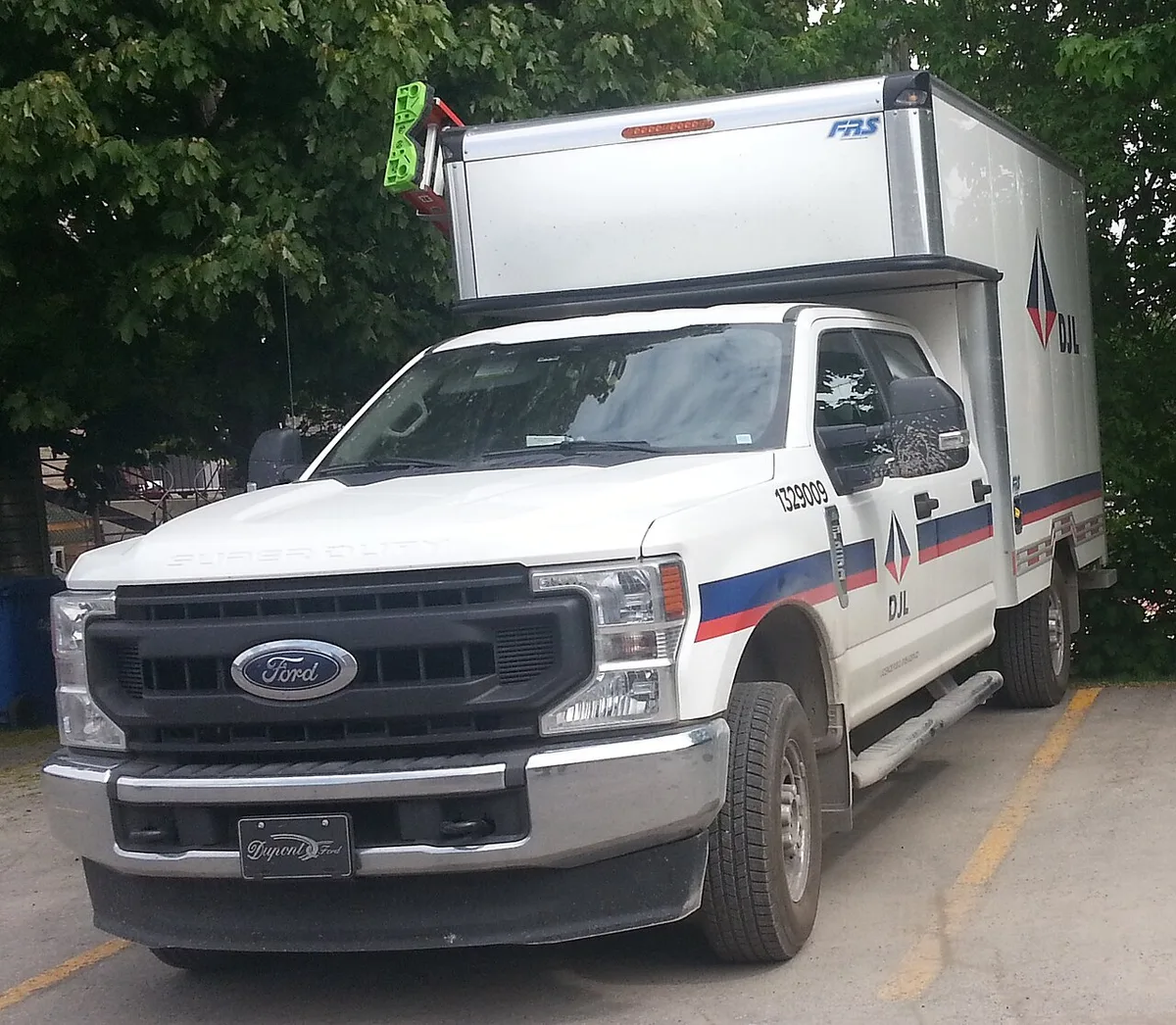
The 2020 Ford F-250 isn’t just one truck, it’s a whole lineup built for different jobs, budgets, and lifestyles. What you pay depends heavily on which version you choose. A base XL with a gas V8 and Regular Cab will cost far less than a loaded Limited Crew Cab diesel with every towing upgrade. Even two identical trims can differ by thousands based on mileage, service history, and whether it’s sold privately or through a dealership.
Trim level alone can shift the price by $15,000 or more. Engine choice matters just as much: the 6.7L Power Stroke diesel commands a premium over the 6.2L or 7.3L gas engines, not just upfront but in long-term maintenance. Then there’s cab and bed configuration, Crew Cab models hold their value better than SuperCab or Regular Cab, especially in family or commercial fleets. And don’t forget drivetrain: 4×4 adds cost and capability, but isn’t always necessary if you’re mostly on pavement.
What Drives the Cost: Key Variables That Change Everything
Several factors directly impact what you’ll pay for a 2020 F-250. Understanding these helps you compare apples to apples and avoid overpaying for features you don’t need.
- Trim level: From utilitarian XL to luxury Limited, each step up adds tech, comfort, and cost.
- Engine type: Gas engines (6.2L or 7.3L V8) are cheaper to buy and maintain; the 6.7L Power Stroke diesel offers more torque and towing but higher upfront and repair costs.
- Cab and bed: Crew Cab (four full doors) is most popular and holds value best; Regular Cab is rare and often cheaper but less practical for daily use.
- Mileage and condition: Low-mileage examples under 50,000 miles command top dollar; high-mileage trucks (100k+) drop sharply in value.
- Drivetrain: 4×4 typically adds $2,000, $4,000 over 4×2.
- Optional packages: FX4 Off-Road, Max Trailer Tow, and appearance packages can add $1,500, $5,000 to the original MSRP, and resale value.
These variables don’t exist in a vacuum. A high-mileage Lariat diesel might cost less than a low-mileage XLT gas model, depending on market demand and condition.
Real-World Price Ranges: What You’ll Actually Pay in 2024
Forget the old MSRP, today’s prices reflect supply, demand, and depreciation. As of 2026, here’s what buyers are actually paying across common configurations:
| Configuration | Private Sale Range | Dealer / CPO Range |
|---|---|---|
| XL Gas, Regular Cab, 4×2, 80k mi | $28,000–$34,000 | $32,000–$38,000 |
| XLT Gas, Crew Cab, 4×4, 60k mi | $38,000–$45,000 | $42,000–$50,000 |
| Lariat Diesel, Crew Cab, 4×4, 40k mi | $52,000–$62,000 | $58,000–$68,000 |
| Limited Diesel, low miles (<30k) | $60,000–$70,000+ | $65,000–$75,000+ |
CPO (Certified Pre-Owned) trucks carry a $3,000, $7,000 premium but include extended warranties and multi-point inspections. Private sales offer better prices but require more due diligence. Diesel models consistently sell for 15, 25% more than comparable gas trucks, though that gap narrows at higher mileages.
Regional differences also matter. In rural areas like Texas or the Midwest, where F-250s are work tools, prices run 5, 10% higher than in urban coastal markets. Rust-free examples from southern states often command a premium in snowy regions.
Gas vs. Diesel: Which Engine Fits Your Budget and Use?
Choosing between gas and diesel isn’t just about fuel type, it’s a long-term cost and usability decision. The 2020 F-250 offers three engine options: the 6.2L V8, the 7.3L “Godzilla” V8, and the 6.7L Power Stroke V8 diesel.
The 6.2L is the most affordable to buy and maintain, with lower repair costs and no DEF fluid or diesel particulate filter (DPF) concerns. It’s fine for light towing and daily driving but lacks the low-end torque needed for heavy trailers or frequent hauling.
The 7.3L gas V8, introduced in 2020, offers more power and reliability than the 6.2L, with simpler emissions systems. It’s a sweet spot for buyers who want robust performance without diesel complexity.
The 6.7L Power Stroke diesel delivers best-in-class towing (up to 21,000 lbs) and excels under heavy loads. But it costs $8,000, $12,000 more upfront, requires premium maintenance, and can suffer from expensive repairs if neglected. DEF fluid, DPF regeneration, and potential turbo issues add ongoing complexity.
If you tow rarely or under 10,000 lbs, a gas engine usually makes more sense. For frequent heavy towing, especially fifth-wheel RVs or commercial use, the diesel’s durability and torque justify the extra cost, provided you maintain it properly.
Trim Levels Decoded: What You Get (and Pay For) at Each Tier
Ford’s trim hierarchy directly affects both price and usability. Here’s what each level delivers:
- XL: Basic work truck. Vinyl seats, manual windows, minimal tech. Best for fleet use or buyers on a tight budget.
- XLT: The most popular trim. Adds cloth seats, power accessories, SYNC 3 infotainment, and better interior materials. A great balance of value and comfort.
- Lariat: Steps up to leather, dual-zone climate, larger touchscreen, and available safety tech like blind-spot monitoring. Ideal for daily drivers who still need capability.
- King Ranch: Western-themed luxury with premium leather, wood trim, and advanced towing aids. Appeals to buyers wanting comfort without sacrificing utility.
- Platinum: Near-luxury with massaging seats, premium audio, and full LED lighting. Competes with high-end SUVs in comfort.
- Limited: Top-tier with panoramic roof, adaptive cruise, and every available option. Rare and expensive, but the most refined F-250 available.
Higher trims hold value better in the used market, especially Lariat and above. But if you don’t need the extras, an XLT with key options often delivers the best bang for your buck.
Crew Cab, SuperCab, or Regular Cab? Matching Size to Need
The cab configuration you choose affects not just passenger space but also resale value and real-world usability. Crew Cab models dominate the used market because they offer four full doors and real back seats, ideal for families, crews, or anyone who regularly carries passengers. SuperCab trucks have smaller rear doors and jump seats, making them a compromise between cabin space and bed length. Regular Cab versions are increasingly rare and mostly appeal to commercial buyers who prioritize maximum bed utility over passenger comfort.
If you’re using the F-250 as a daily driver or hauling people regularly, Crew Cab is almost always the right call. It also commands the highest resale value, typically 8, 12% more than a comparable SuperCab. SuperCab makes sense if you occasionally need extra seating but want a longer bed (especially with the 8-foot option). Regular Cab is best left to dedicated work trucks where passenger space isn’t a factor.
Newer Isn’t Always Better: 2020 vs. 2021+ F-250 Models
You might wonder if spending more for a 2021 or newer F-250 is worth it. The 2020 model introduced the excellent 7.3L gas V8 and updated interior, but later years added minor tech tweaks like wireless Apple CarPlay and improved SYNC 4. However, those updates rarely justify a $5,000, $8,000 premium over a well-maintained 2020.
The 2020 holds up surprisingly well. It shares the same durable frame, proven powertrains, and core towing capabilities as newer models. Unless you specifically need the latest infotainment or a full factory warranty, a clean 2020 with service records often delivers better value. Plus, depreciation hits hardest in the first few years, so you’ve already avoided the steepest drop by buying used.
Where to Buy: Private Seller, Dealer, or CPO?
Each buying route has clear trade-offs. Private sellers usually offer the lowest prices but provide no warranty and require you to handle inspections and paperwork. Dealerships add markup but often include reconditioning and basic guarantees. CPO programs (like Ford’s Certified Pre-Owned) offer the most peace of mind with extended coverage, multi-point checks, and roadside assistance, but at a significant premium.
If you’re mechanically savvy or have a trusted mechanic, a private sale can save you $3,000, $5,000. But if this is your first heavy-duty truck or you’re buying diesel, CPO’s extra cost may be worth it for the protection against hidden issues. Always get a pre-purchase inspection regardless of where you buy, it’s cheap insurance against costly surprises.
Must-Check Before You Buy: Avoiding Costly Surprises
A clean Carfax doesn’t guarantee a healthy truck, especially with high-mileage diesels. Look for consistent oil change records, especially on Power Stroke engines, which are sensitive to neglect. Check for frame rust in northern states, where road salt accelerates corrosion. Listen for turbo whine or excessive smoke on diesel startups, and verify that DEF systems are functioning properly.
Also confirm all towing components work: trailer brake controllers, hitch receivers, and lighting harnesses. Many F-250s were fleet or rental vehicles, ask about usage history. A truck used for light duty will always outlast one that hauled heavy loads daily, even with similar mileage.
How to Negotiate Like a Pro: Using Market Data to Your Advantage
Start by pulling three to five comparable listings in your area using filters for trim, mileage, and engine. Note the asking prices, then subtract 5, 10% for dealer markup if you’re buying privately. Use any flaws, high mileage, missing service records, or cosmetic damage, as leverage points.
Timing matters too. Prices dip slightly in late winter when demand is lower, and dealers may be more flexible before new model year arrivals. Don’t rush: if a truck has been listed for over 30 days, the seller is likely motivated. And remember, walking away is your strongest tool.
There are plenty of F-250s out there; patience pays off.
Final Verdict: Is a 2020 F-250 Worth It for You?
The 2020 Ford F-250 makes sense if you need serious towing, frequent heavy hauling, or a durable work platform. It’s overkill for light-duty tasks, consider an F-150 instead, but unmatched in its class for capability and long-term reliability. If your use aligns with its strengths, it’s a smart buy at the right price.
Avoid it if you’re on a tight budget or don’t actually need heavy-duty performance. Gas models are more economical, but even those require higher insurance and fuel costs than lighter trucks. And unless you’re towing regularly, the diesel’s added expense rarely pays off.
Best for Heavy Towing, Commercial Use, or Rural Living
This truck shines when put to work. Farmers, contractors, and RV owners will appreciate its 21,000-pound max towing and rugged construction. The 2020’s updated interior and available tech make it comfortable for daily driving, too, something earlier Super Dutys lacked.
In rural areas with poor roads or harsh weather, the F-250’s durability and 4×4 capability justify its size. But in cities, its footprint and fuel consumption become real drawbacks. Match the truck to your environment.
When to Consider a Gas Model or Older Year
If your towing stays under 12,000 pounds, the 7.3L gas V8 offers nearly diesel-level torque with simpler maintenance. It’s also $8,000, $12,000 cheaper upfront and avoids DEF and DPF hassles. For buyers prioritizing value over max capability, it’s the smarter choice.
Older F-250s (2017, 2019) can save you $5,000, $10,000 but lack the 7.3L engine and updated infotainment. Only consider them if you find a well-maintained example with service records, and avoid high-mileage diesels without full histories.
Red Flags That Mean Keep Looking
Walk away if the seller can’t provide maintenance records, especially on diesel models. Excessive frame rust, mismatched paint, or a rebuilt title are major warning signs. Listen for unusual turbo noise, check for oil leaks, and verify all electronics work, SYNC systems are notorious for glitches if poorly maintained.
Also be wary of trucks priced significantly below market. That usually means hidden damage, neglected servicing, or a desperate seller. There are good deals out there, but they don’t look too good to be true.
Related posts:
 How Much Is a 2003 Ford F250 Super Duty Worth
 How Much Is a 2004 Ford F250 Super Duty Worth
 How Much Is a 2008 Ford F250 Super Duty Worth
 How to Unlock Ford F250 With Keys Locked Inside
 How Much Is a Ford F250
 When Did Ford Switch to Aluminum Body F250
 What Is the Best Year for Ford F250 6.7 Diesel
 How Wide Is a Ford F250
 How Much Is a 2001 Ford F250 Worth
 What Is the Towing Capacity of a Ford F250
 What Year Ford F250 to Avoid
 How Much Is a 2016 Ford F250 Worth