Guide to Is a 2005 Ford F250 Diesel a Good Truck
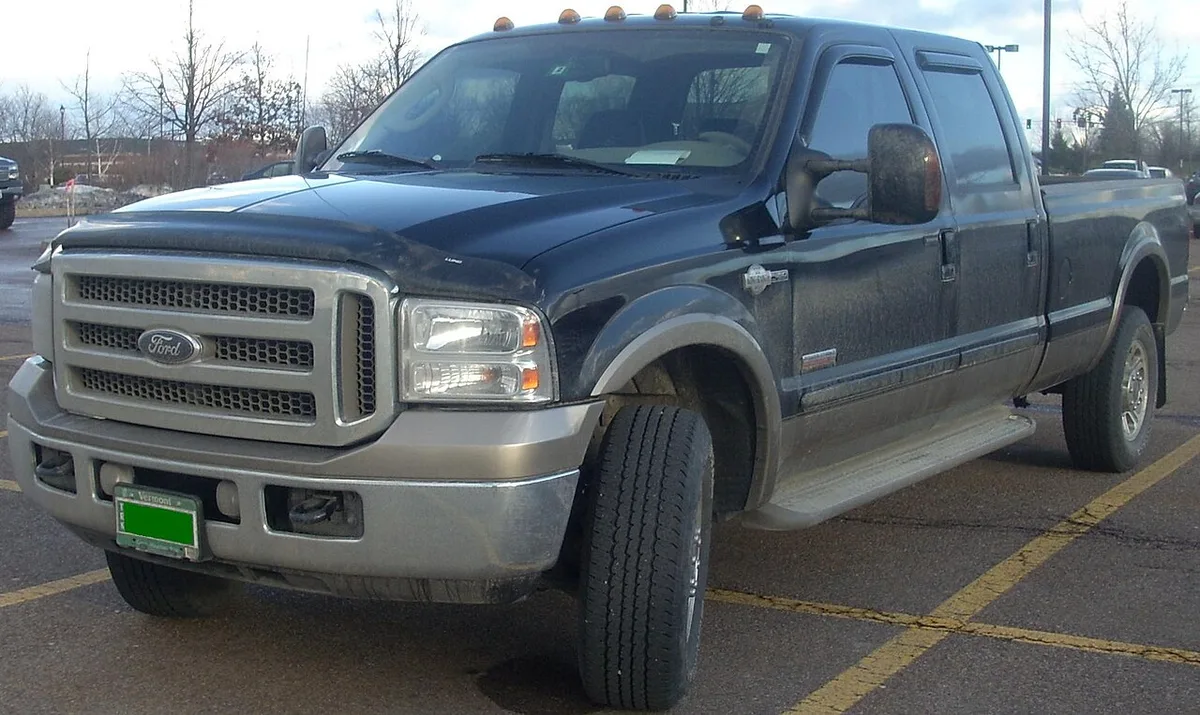
Is a 2005 Ford F-250 diesel a good truck? That depends less on the truck itself and more on what you need it to do, and how much mechanical sympathy you’re willing to give. This Super Duty with the 6.0L Power Stroke engine splits opinion for good reason: it’s a torque-heavy workhorse that can outlast newer trucks if treated right, but it punishes neglect with expensive repairs.
Manufacturer specifications indicate a towing capacity of up to 15,000 lbs when properly equipped, making it a serious contender for heavy-duty tasks. But as of 2026, the real question isn’t just about specs, it’s whether this aging diesel fits your lifestyle, budget, and tolerance for maintenance. Let’s walk through the decision step by step.
The Big Question: Why This Truck Divides Opinions
The 2005 Ford F-250 Super Duty with the 6.0L Power Stroke diesel sits in a weird spot in truck history. It’s not as bulletproof as the earlier 7.3L models, nor as refined as the later 6.7L engines, but it offers serious capability at a fraction of the cost of newer diesels. Aggregate reviews from owners and mechanics show a clear pattern: well-maintained examples are still going strong past 300,000 miles, while neglected ones often die early from preventable failures.
This isn’t a truck you buy and forget. It demands attention, especially to its cooling system, oil changes, and EGR components. If you’re looking for a no-fuss daily driver, this probably isn’t it. But if you need raw towing power and don’t mind rolling up your sleeves, it can be a smart buy.

What You’re Really Getting: Core Features at a Glance
Under the hood sits the 6.0L V8 turbo-diesel, making 325 horsepower and a stout 560 lb-ft of torque, numbers that still hold up for heavy hauling. It’s paired with the TorqShift 5-speed automatic transmission, known for durability when serviced regularly. You’ll find three cab configurations: regular, extended, and crew cab, with the latter being the most popular for families or work crews needing rear passenger space.
Payload capacity sits around 3,000 lbs, and gross vehicle weight rating (GVWR) can reach 10,000 lbs depending on axle and suspension options. Four-wheel drive is common, and dual rear wheels (DRW) were available for max stability under load. Unlike newer diesels, this one doesn’t use DEF fluid or have a DPF filter, just straight diesel combustion, which simplifies ownership in some ways but lacks modern emissions refinement.
Who Should Even Consider This Truck? (Use Cases That Fit)
This F-250 shines when the job calls for serious muscle. If you’re towing a fifth-wheel RV, hauling a gooseneck trailer with construction equipment, or running a small fleet for a contracting business, the 6.0L’s low-end torque makes hard work feel easy. Farmers, landscapers, and rural homeowners often favor these trucks for their reliability under load and parts availability.
But it’s less ideal for city commuters or anyone who values quiet, smooth operation. The engine is noisy, fuel economy hovers around 12, 16 mpg, and the ride is stiff compared to modern pickups. If your driving is mostly short trips with light loads, you’re better off with a gas V8 or a newer diesel.
The 6.0L Power Stroke Reality Check: Strengths and Weaknesses
Why It Can Be Great
The 6.0L delivers immediate, usable torque right off idle, perfect for pulling heavy trailers up steep grades without downshifting constantly. Many owners report 200,000+ miles with only routine maintenance, and the aftermarket support is massive. Upgrades like ARP head studs, a better oil cooler, or an EGR delete (where legal) can dramatically improve longevity.
Why It Can Be a Money Pit
The engine’s Achilles’ heels are well documented. The EGR cooler tends to clog or crack, the oil cooler can fail and cause overheating, and injector issues are common after 150,000 miles. Head gasket failures aren’t rare, especially if the truck has ever overheated. Repair costs for these issues often run $3,000, $7,000 at a shop, more than the truck’s value in many cases.
| Common Issue | Typical Fix Cost | Prevention Tip |
|---|---|---|
| EGR cooler failure | $800–$1,500 | Regular coolant flushes |
| Oil cooler clog | $600–$1,200 | Use OEM-spec coolant only |
| Injector failure | $2,000–$3,500 | Change fuel filters every 10k miles |
| Head gasket leak | $2,500–$4,000 | Install ARP studs preemptively |
Your Decision Branches: What Matters Most to You?
If you need heavy towing on a tight budget and can verify solid maintenance history, this truck makes sense. The upfront cost is low, $8,000 to $18,000 in today’s market, and it’ll handle real work. But if you’re not comfortable doing basic diagnostics or can’t afford surprise repairs, walk away.
DIYers with basic tools and patience will get the most value here. The engine is simpler than modern diesels, and countless forum threads and YouTube guides walk you through common fixes. But if you rely entirely on dealerships or shops, labor costs will eat your savings fast.
Rust-prone regions demand extra scrutiny. Check the frame, cab corners, and bed mounts thoroughly, water and salt accelerate corrosion, and frame rot can turn a good deal into a scrap project.
How to Buy Smart: The Pre-Purchase Checklist
Don’t let low mileage or a clean exterior fool you, this truck’s history matters more than its looks. Start by demanding complete service records, especially for oil changes, coolant flushes, and any work on the EGR or oil cooler. A well-documented truck with 200,000 miles is often a better bet than a low-mileage one with no paperwork.
Pop the hood and look for signs of recent repairs: new hoses, clean oil (not sludge), and no coolant leaks around the oil cooler. Check the ICP sensor, it’s a common failure point that causes hard starts. If the seller says “it just needs an oil change,” walk away. That’s code for “I haven’t maintained it properly.”
Red flags include white smoke on cold starts (possible head gasket issue), overheating history, or a transmission that hesitates to shift. Always take it for a test drive with a load if possible, listen for turbo whine, watch for black smoke under acceleration, and feel for transmission slippage. When in doubt, bring a mechanic or use a mobile inspection service.
Maintenance That Makes or Breaks This Truck
Oil changes aren’t optional, they’re survival. Stick to 3,000, 5,000 mile intervals using 15W-40 diesel-specific oil and a quality filter. The 6.0L is sensitive to fuel contamination, so replace fuel filters every 10,000 miles or sooner if you buy fuel from sketchy stations. Coolant flushes every 30,000 miles prevent EGR and oil cooler clogs, use only Motorcraft or Zerex G05 coolant.
Transmission care is just as critical. The TorqShift hates burnt fluid, so service it every 30,000, 50,000 miles with Mercon LV fluid and a new filter. Ignore this, and you’ll face a $3,000+ rebuild. Glow plugs and relays should be tested before winter, cold starts strain the entire system.
If you plan to keep the truck long-term, consider “bulletproofing”: ARP head studs, a built oil cooler, and an EGR delete (where legal). These upgrades cost $1,500, $3,000 but can prevent catastrophic failures. DIYers can tackle most jobs with basic tools, just don’t skip torque specs on head studs.
Real Costs: What You’ll Actually Pay (2024 Market)
Prices range from $8,000 for a rough project truck to $18,000 for a well-maintained, low-mileage example. Most fall between $12,000 and $15,000 with 150,000, 200,000 miles. That’s a steal compared to newer diesels, but factor in potential repairs. A single injector job can cost $2,500 at a shop.
Fuel economy averages 12, 16 mpg, worse in city driving or with heavy loads. Diesel prices vary by region, so check local rates, some areas charge 20, 30% more than gasoline. Insurance is slightly higher than gas trucks due to value and repair costs.
Hidden expenses include emissions testing in states like California, where older diesels face restrictions. Rust repair in snowy climates can run $1,000+ if the frame or cab mounts are compromised. Always budget $2,000, $3,000 extra for the first year of ownership.
Alternatives Worth Considering
The 2005 Chevy Silverado 2500HD with the 6.6L Duramax offers better reliability and parts availability but less low-end torque. It’s smoother and quieter, making it better for daily driving, but towing maxes out around 12,000 lbs, lower than the F-250’s 15,000 lbs.
Dodge’s 2005 Ram 2500 with the 5.9L Cummins is a legend for longevity and simplicity. The inline-six is easier to work on and more durable, but the interior feels dated, and crew cab models are rare. Expect to pay similar prices, but with fewer rust issues in northern states.
Newer options like the 2008+ Ford F-250 with the 6.4L or 6.7L Power Stroke fix many 6.0L flaws but cost $5,000, $10,000 more. The 6.7L (2011+) is the most reliable but adds complexity with DEF and DPF systems. If you can stretch the budget, it’s the safer long-term bet.
Common Mistakes That Sink Buyers
Skipping the inspection is the fastest way to regret your purchase. A $150 pre-buy inspection can save you $5,000 in repairs. Don’t assume a clean Carfax means a healthy engine, diesel issues often fly under the radar.
Ignoring maintenance records is another trap. A truck with no service history is a gamble, even if it runs well today. The 6.0L punishes neglect with sudden, expensive failures. Always ask for receipts, not just verbal assurances.
Overestimating towing capacity is dangerous. Check the door jamb sticker for your truck’s actual GVWR and axle ratings. A “15,000-lb capacity” claim assumes ideal conditions, real-world towing depends on gearing, brakes, and trailer type. When in doubt, stay 10, 15% below the max.
Finally, don’t buy based on price alone. A $7,000 truck needing $4,000 in repairs isn’t a deal, it’s a money pit. Focus on condition, history, and your ability to maintain it.
Safety and Legal Notes You Can’t Ignore
This truck meets 2005 EPA emissions standards, which means no DEF tank or DPF filter, just straightforward diesel combustion. That’s simpler for owners but can be a hurdle in states with strict diesel regulations. California, for example, restricts older diesel vehicles in certain zones, and emissions testing may flag high NOx levels. Always check local laws before buying, especially if you plan to register it in a metro area.
Safety features are basic by today’s standards. Dual front airbags and ABS come standard, but you won’t find electronic stability control, lane departure warnings, or automatic emergency braking. The high driving position gives good visibility, but blind spots are larger than in modern trucks. If safety tech is a priority, consider a newer model.
Frame rust is the silent killer here. In snowy or coastal regions, salt and moisture accelerate corrosion on the frame, cab mounts, and bed supports. A thorough undercarriage inspection is non-negotiable, pound on the frame with a rubber mallet; if it flakes or bends, walk away. Surface rust can be treated, but structural rot is a dealbreaker.
Final Verdict: Your Personal Decision Tree
If you need heavy-duty capability on a budget and can commit to regular maintenance, this truck makes sense. It’ll tow your trailer, haul your equipment, and last decades, if you respect its weaknesses. But if you want a hassle-free daily driver or can’t handle surprise repairs, look elsewhere.
For DIYers with basic tools, it’s a rewarding project. The engine is simpler than newer diesels, and upgrades like ARP studs or an oil cooler rebuild can bulletproof it. But if you rely entirely on shops, labor costs will erase your savings fast.
Ultimately, the 2005 F-250 diesel isn’t inherently good or bad, it’s conditional. Your homework, budget, and mechanical tolerance determine the outcome. Find a well-documented example, budget for upkeep, and it’ll serve you well. Skip the prep work, and you’ll pay for it later.
Related posts:
 Where Is Ford F250 Built
 Where Is Ford F250 Made
What Is the Gvwr of a Ford F250 Super Duty
How Long Is a Ford F250 Crew Cab
Are Ford F250 Aluminum Body
Are Ford F250 Diesel Reliable
How Do Ford F250 Auto Locking Hubs Work
Where Is Ford F250 Made
What Is the Gvwr of a Ford F250 Super Duty
How Long Is a Ford F250 Crew Cab
Are Ford F250 Aluminum Body
Are Ford F250 Diesel Reliable
How Do Ford F250 Auto Locking Hubs Work
 How Heavy Is a Ford F250 Super Duty
 How It Feels to Drive a Ford F250
 Meme
How It Feels to Drive a Ford F250
How It Feels to Drive a Ford F250 Meme
 How Long Do Ford F250 Diesel Last
 How Long Do Ford F250 Last