Can You Hotshot With a F150? Payload, CDL & Legal Limits
Yes, you can hotshot with a F150 pickup truck — but only within a narrow window of payload, trailer weight, and gross combination weight. Hotshot trucking involves driving pickups or other vehicles outfitted with a trailer to transport smaller, time-sensitive loads.
While larger trucks like the Nissan Titan XD are commonly used for hotshot trucking, a properly equipped F150 can handle the job for lighter, local, and expedited loads. The deciding factors are your truck’s actual payload rating, its GCWR, and whether your loaded combination stays under the 26,001 lb CDL line. We will explore the requirements and considerations for hotshot trucking with a F150, including the necessary qualifications, equipment, and regulations.
We will also discuss the benefits and challenges of using a pickup truck for hotshot trucking. So, if you’re considering starting a hotshot career with your F150, read on to find out everything you need to know to get started.

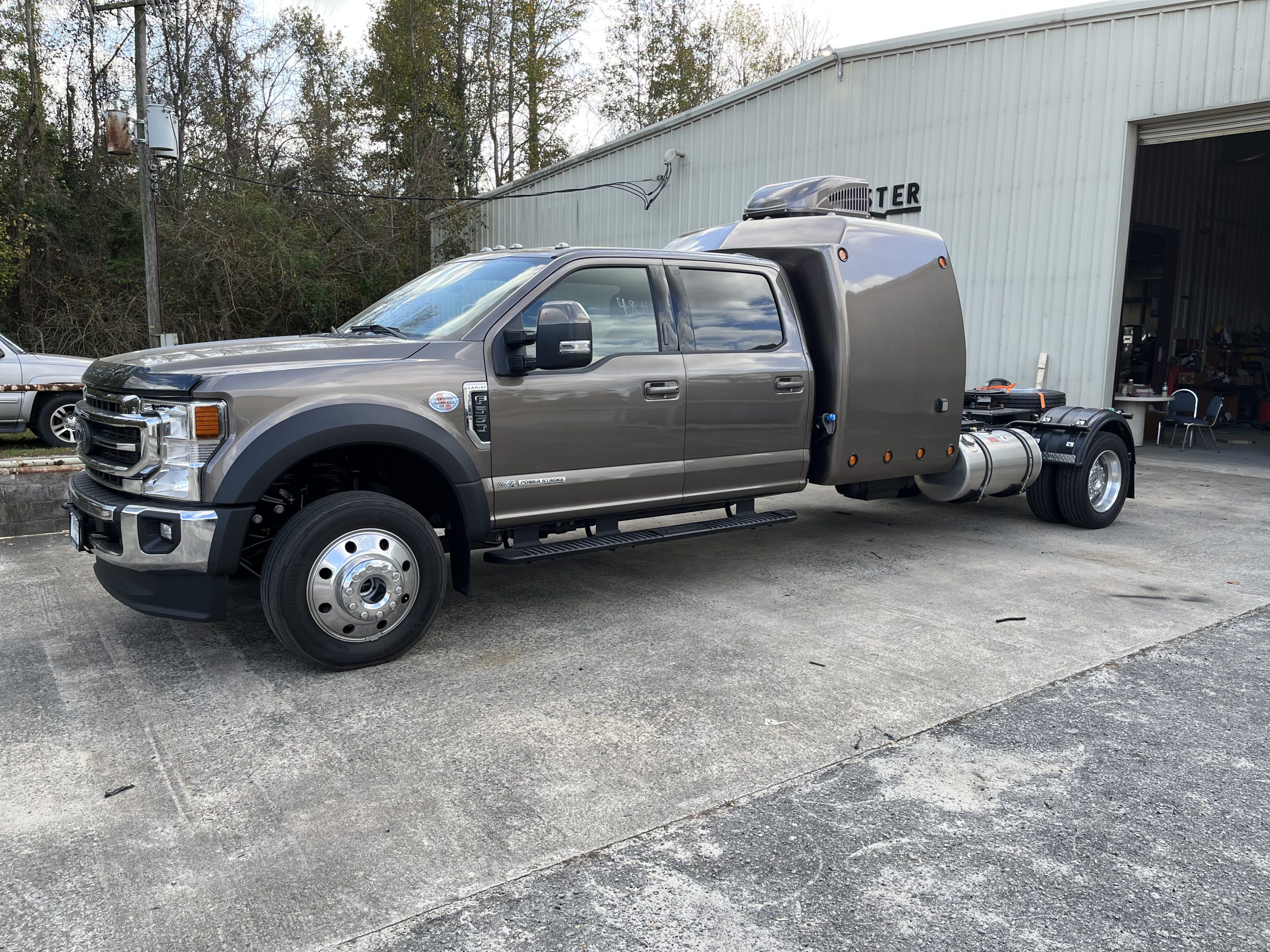
Credit: roadmastertruck.com
Understanding Hotshot Trucking
Hotshot trucking is a specialized type of trucking that involves transporting smaller, time-sensitive loads using a small truck or a pickup truck with a trailer. It is an ideal option for those who don’t have a full semi-truck and trailer setup but still want to break into the trucking industry. In this section, we will explore what hotshot trucking is, how to get started, the costs and insurance involved, as well as the CDL requirements for hotshot trucking.
What Is Hotshot Trucking?
Hotshot trucking is a type of trucking that involves hauling smaller loads using a smaller truck or a pickup truck with a trailer. Hotshots typically transport time-sensitive and urgent loads that need to be delivered quickly, such as expedited freight, auto parts, machinery, or construction equipment. Unlike traditional long-haul trucking, hotshots have the advantage of being nimble and able to navigate tight spaces and deliver loads faster.
Getting Started With Hotshot Trucking
If you’re interested in starting a hotshot trucking business, there are a few key steps you’ll need to follow. First, you’ll need to determine what type of truck you’ll use for your hotshot business. Some popular options include the Nissan Titan XD and Ford F-150 with the max tow package. These vehicles are equipped with towing capabilities and can handle the weight and size requirements of hotshot loads.
Next, you’ll need to obtain the necessary qualifications and requirements for hotshot trucking. This includes getting a commercial driver’s license (CDL), obtaining a medical card, and securing commercial driver’s insurance. Additionally, you’ll need to register your business with the state and obtain your MC number or operating authority.
Costs And Insurance
As with any business, there are costs associated with starting and running a hotshot trucking business. Depending on the type of truck and trailer setup you choose, the costs can vary. You’ll need to consider the cost of purchasing or leasing a suitable truck, trailer, and any additional equipment you may need. It’s also important to account for fuel expenses, maintenance and repairs, insurance premiums, and any licensing or permit fees.
Speaking of insurance, hotshot trucking requires commercial driver’s insurance to protect your business and assets. This insurance typically covers liability, cargo, and physical damage. It’s essential to shop around and compare insurance quotes from different providers to ensure you’re getting the best coverage at the most competitive rates.
Cdl Requirements For Hotshot Trucking
When it comes to the CDL requirements for hotshot trucking, it’s important to note that the specific requirements may vary by state. Generally, hotshot drivers are required to have a CDL if their truck and trailer combination meets certain weight criteria, typically exceeding 26,000 pounds. To obtain a CDL, you’ll need to pass a written knowledge test, a skills test, and a medical examination to ensure you’re physically fit for the job.

Credit: cmtruckbeds.com
Choosing The Right Truck For Hotshot Trucking
When it comes to hotshot trucking, choosing the right truck is crucial. Can you hotshot with a F150? Yes, but only if the numbers work. An F150 can pull a bumper-pull or gooseneck trailer, but its payload capacity and GVWR are far lower than a three-quarter-ton or one-ton truck. That means smaller loads, shorter routes, and a much tighter margin between what the truck can legally carry and what a load board actually offers.
Best Truck Options For Hotshot Trucking
F150 Payload and Towing Limits That Decide Everything
Payload and towing ratings on an F150 vary widely by cab, bed length, drivetrain, axle ratio, and trim. A base regular-cab work truck can carry far more than a loaded crew-cab Platinum with every option. The only number that matters for your specific truck is the payload rating on the driver’s door jamb sticker and the GCWR in your owner’s manual. Do not use the marketing brochure number — it is for the lightest possible configuration.
As a rule, a half-ton F150 is happiest with a trailer in the 5,000 to 7,000 lb range and a total combination well under 26,001 lbs GCWR. Gooseneck and 5th wheel trailers put more weight on the truck, which eats payload fast. Bumper pull trailers are lighter on the truck but usually cap your trailer weight lower.
When it comes to hotshot trucking, choosing the right truck is crucial for success. The type of truck you use can significantly impact your efficiency, performance, and overall profitability. In this section, we will explore some of the best truck options for hotshot trucking.Why Do Hotshot Drivers Use Pickup Trucks?
Pickup trucks are cheaper to buy, insure, and fuel than a Class 7 or Class 8 tractor. They fit into tighter delivery sites, park easily, and can be operated without a CDL as long as the combination stays under 26,001 lbs GCWR. That flexibility is why half-ton and three-quarter-ton trucks dominate non-CDL hotshot work.
Pickup trucks are the most popular choice among hotshot drivers, and for good reason. These versatile vehicles offer a range of benefits that make them well-suited for hotshot trucking. Let’s dive into some of the reasons why hotshot drivers prefer pickup trucks. – Maneuverability: Pickup trucks are known for their agility, allowing hotshot drivers to navigate tight spaces and congested urban areas with ease. – Versatility: With a pickup truck, hotshot drivers can quickly switch between hauling loads and ordinary daily use, making it a practical option for personal and professional purposes. – Fuel Efficiency: Compared to larger commercial trucks, pickup trucks tend to have better fuel efficiency, which can result in significant cost savings over time. – Lower Operating Costs: Pickup trucks generally have lower maintenance and insurance costs compared to larger trucks, making them a more affordable option for hotshot drivers.Considerations For Using A Box Truck
What Loads an F150 Can Actually Haul
An F150 hotshot setup works for palletized freight, small machinery, ATVs, parts, and expedited boxes that fit on a single-axle or tandem-axle trailer under 10,000 lbs GVWR. It does not work for full pallets of building materials, heavy equipment, or multi-pallet LTL loads that push the trailer over 10,000 lbs or the combination over 26,001 lbs GCWR. If a load board listing says 10,000 lbs or more of cargo, that load belongs on a bigger truck.
While pickup trucks are the preferred choice, some hotshot drivers opt for box trucks for specific purposes. It’s important to consider a few factors before deciding to use a box truck for hotshot trucking. – Payload Capacity: Box trucks typically offer higher payload capacity compared to pickup trucks, allowing you to haul larger and heavier loads. – Cargo Protection: Box trucks provide a fully enclosed cargo area, offering better protection against weather conditions, theft, and damage during transportation. – Driver Requirements: Driving a box truck may require additional licensing or permits, depending on the weight and size of the vehicle. It’s essential to ensure compliance with local regulations before operating a box truck. In conclusion, when it comes to hotshot trucking, choosing the right truck can make all the difference. Pickup trucks are the preferred choice for their maneuverability, versatility, fuel efficiency, and cost-effectiveness. However, for specific needs, box trucks can offer higher payload capacity and cargo protection. Evaluating your requirements and considering these factors will help you make an informed decision and set yourself up for success in the hotshot trucking industry.Requirements For Hotshot Trucking
When it comes to hotshot trucking, using an F150 is possible but limiting. Hotshot trucking typically favors larger trucks, such as the Nissan Titan XD or a Ford F250/F350, because they can handle heavier loads and meet the weight requirements of more load board listings. An F150 works best for light, high-value, expedited freight where the total trailer weight stays well inside its ratings.
Hotshot trucking is a popular option for independent truck drivers who want the freedom and flexibility of running their own business. However, before you hit the road as a hotshot driver, there are several requirements that you must meet. In this article, we will discuss the qualifications and requirements for hotshot trucking, including obtaining a driver’s license or CDL, getting commercial driver’s insurance, registering your business, and purchasing the necessary equipment.
Qualifications And Requirements
Before venturing into hotshot trucking, it is essential to ensure that you meet the qualifications and requirements set by the industry. This will not only help you stay compliant with the law but also ensure the smooth operation of your business.
Obtaining A Driver’s License Or Cdl
To operate a hotshot truck, you will need a valid driver’s license or a Commercial Driver’s License (CDL). The specific requirements vary depending on the weight and type of vehicle you plan to drive.
- If your truck’s GVWR is 26,001 pounds or more, you need a CDL. If it is under 26,001 pounds, a regular license may be enough — but the same rule applies to your combination. A trailer with a GVWR over 10,000 lbs towed by a truck under 26,001 lbs GVWR typically triggers a CDL in many states, so check your state’s rules before you buy a trailer.
- If your truck and trailer combination has a GCWR of 26,001 lbs or more, and the trailer exceeds 10,000 lbs GVWR, a CDL is generally required even if the truck itself is under 26,001 lbs.
- You may also need to pass a written knowledge test and a skills test to obtain your CDL, plus a DOT medical card if you operate in interstate commerce.
Getting Commercial Driver’s Insurance
As a hotshot trucking business owner, it is crucial to have commercial driver’s insurance to protect yourself, your truck, and your cargo. Commercial truck insurance typically provides coverage for liability, physical damage, cargo, and bodily injury.
When shopping for insurance, make sure to compare quotes from different insurance providers to find the best coverage at a competitive price.
Registering Your Business
To legally operate as a hotshot trucking business, you will need to register your business with the appropriate state agencies. The specific requirements may vary depending on your location, so it is important to research the registration process in your state.
Some common steps involved in registering your hotshot trucking business include:
- Filing your business name with the Secretary of State office
- Applying for an Employer Identification Number (EIN) from the Internal Revenue Service (IRS)
- Obtaining any necessary permits or licenses required by your state
Purchasing Necessary Equipment
One of the essential requirements for hotshot trucking is having the proper equipment to haul loads. This includes a reliable truck and an appropriate trailer. It is crucial to choose a truck and trailer combination that meets the weight and size requirements for hotshot trucking.
When purchasing equipment, consider factors such as the truck’s towing capacity, payload capacity, and fuel efficiency. Payload is the number that limits an F150 hotshot setup most — the weight of the trailer tongue, the driver, fuel, tools, and cargo all count against it. A gooseneck or 5th wheel hitch adds weight to the truck, while a bumper pull hitch is lighter but usually lowers your comfortable trailer weight. Make sure to invest in quality trailer equipment that can safely transport your loads.
Remember, hotshot trucking requires careful planning and compliance with various regulations. By meeting the qualifications and requirements, you can set yourself up for success in the hotshot trucking industry.
Insurance, Registration, and Cost Per Mile
Commercial insurance for a half-ton hotshot setup is usually cheaper than for a one-ton, but you still need commercial auto liability, cargo coverage, and possibly non-trucking or occupational accident coverage. Register the truck and trailer under your business, get your MC number or operating authority if you are running interstate, and keep your DOT number if applicable. Cost per mile on an F150 is lower on fuel than an F250/F350, but the truck works harder on every load, so maintenance and wear items like brakes and tires can add up faster than the fuel savings suggest.
Finding Hotshot Loads And Opportunities
Hotshot trucking is a thriving industry that offers great opportunities for pickup truck owners. Whether you have a pickup truck, a box truck, or simply want to explore local hotshot opportunities, there are various ways to find hotshot loads and maximize your potential profit.
How To Find Hotshot Loads For Pickup Trucks
If you have a pickup truck and want to venture into hotshot trucking, the first step is to find hotshot loads that match your truck’s capabilities. Here are some effective ways to find hotshot loads for pickup trucks:
- Join freight load boards such as DAT, Truckstop, or 123Loadboard. These platforms connect shippers and carriers, allowing you to find available hotshot loads.
- Establish relationships with freight brokers and logistics companies. Building connections with industry professionals can lead to consistent hotshot load opportunities.
- Utilize online marketplaces like GoShare, which connects pickup truck owners with local delivery and hotshot load requests.
- Network with other hotshot trucking professionals through forums, social media groups, or industry events. They may share load opportunities or provide valuable insights.
Hotshot Trucking Without A Trailer
If you don’t have a trailer but still want to engage in hotshot trucking, there are options available. Consider these alternatives:
- Partner with a trailer owner-operator who needs a reliable truck for transportation. You can work together and split the profits.
- Explore hotshot expedited services, where you drive other people’s freight using their trailers. This option allows you to be a driver without owning a trailer.
- Offer your services as a hotshot truck driver to trucking companies that have their own trailers. This way, you can transport their loads without the need for your own equipment.
Hotshot Trucking With A Box Truck
If you have a box truck instead of a pickup truck, you can still participate in hotshot trucking. Some hotshot opportunities are suited for box trucks, and here’s how you can find them:
- Research and reach out to industries that require expedited delivery, such as medical supply companies, event management, or specialty retailers.
- Advertise your box truck hotshot services on online platforms like Craigslist, local classifieds, or industry-specific forums.
- Attend trade shows or conferences related to industries that rely on expedited shipping. Make connections and market your box truck hotshot services to potential clients.
Local Hotshot Opportunities
Exploring local hotshot opportunities can be a great way to establish a customer base and secure consistent loads. Here are some tips on finding local hotshot opportunities:
- Contact local businesses in your area that may require expedited shipping services.
- Collaborate with farmers, contractors, or construction companies that need immediate transportation for equipment or materials.
- Establish relationships with local freight brokers or logistics providers who handle hotshot loads.
Remember, being proactive, building relationships, and utilizing online platforms are key factors in finding hotshot loads and opportunities. Stay persistent and keep exploring various channels to maximize your hotshot trucking success.
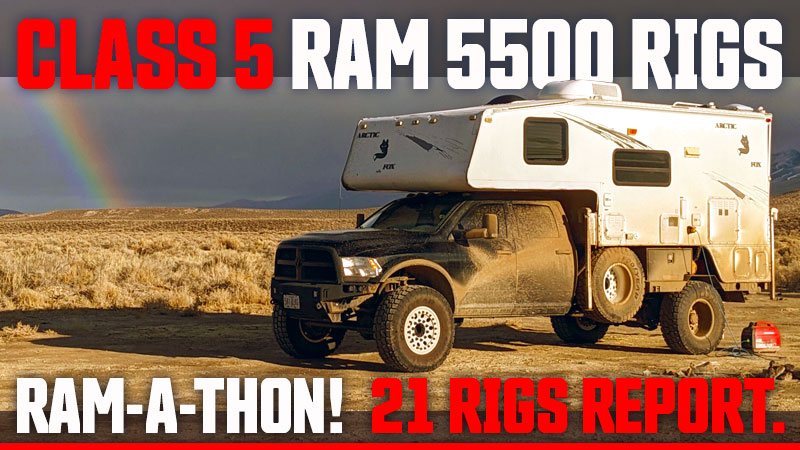
Credit: www.truckcampermagazine.com
Frequently Asked Questions Of Can You Hotshot With A F150
What Size Truck Do I Need For Hotshot Trucking?
For hotshot trucking, the size of truck you need can vary. Many hotshot drivers use pickups or other vehicles with a trailer. It’s essential to comply with regulations and obtain a driver’s license or CDL, commercial driver’s insurance, and necessary permits. A three-quarter-ton or one-ton truck opens up more load board listings because it can legally haul heavier trailers without crossing the CDL threshold.
The Nissan Titan XD is a popular choice for hotshot trucking, but an F250 or F350 is more common because of its higher payload and GCWR.
The Nissan Titan XD is a popular choice for hotshot trucking.
What’s The Best Truck For Hotshot?
The best truck for hotshot is one that keeps your loaded combination under 26,001 lbs GCWR while still hauling enough weight to be profitable. The Nissan Titan XD is often recommended for starting a hotshot business, but many drivers choose an F250 or F350 for the extra payload. They drive pickups or vehicles with a trailer.
How To Start A Hot Shot Business With A Pickup Truck?
To start a hot shot business with a pickup truck, follow these steps: 1. Get the necessary licenses and permits, including a driver’s license or CDL, and commercial driver’s insurance. 2. Obtain your MC number or operating authority and register your business with the state.
3. Purchase the required equipment, such as a trailer, to transport goods. 4. Research and find hot shot loads for pickup trucks through platforms like GoShare. 5. Ensure you meet all the qualifications and requirements for hotshot trucking.
Can I Hot Shot With A 1500?
Yes, you can hot shot with a 1500, but only for light loads. A half-ton truck like an F150, Silverado 1500, or Ram 1500 can pull a small trailer with expedited freight as long as the total combination stays under 26,001 lbs GCWR and the trailer GVWR stays under 10,000 lbs. Heavier loads belong on a three-quarter-ton or one-ton truck.
Conclusion
To hotshot with a F150 is possible, but it comes with its own set of challenges. The F150 may not have the same towing capacity as larger trucks, so it’s important to carefully consider the weight and size of your load. Start by checking the payload sticker on your driver’s door jamb, then subtract the weight of your hitch, trailer tongue, passengers, and cargo. If the remaining number is positive and your loaded GCWR stays under 26,001 lbs, you are legal to run that load.
Additionally, you’ll need to ensure your F150 is properly equipped with the necessary trailer hitch and towing capabilities. While hotshotting with an F150 is feasible, it may not be the most ideal choice for heavy or oversized loads. Ultimately, it’s crucial to assess your specific needs and capabilities before embarking on a hotshot journey with an F150.
Related posts:
 How Far Can You Drive Without an Alternator? Real Distances
 What Color Is Avalanche for Ford? The Definitive 2026 Guide
 How to Disengage 4WD in Ford F150: Easy Steps to 2H
 Ford F150 Power Steering Assist Fault: Fix by Year, Codes & Cost
 What Lug Pattern is a Ford F150: Unveiling the Perfect Fit for Your Ride
 Does My F150 Have Remote Start? 3 Easy Ways to Check
How Much is a Windshield for a Ford F150: Find the Best Price Now!
 Best Aftermarket Radio For 2013 Ford F150: Expert Picks
 Best Floor Jack for F150
 How to Get a Spare Tire off a Ford F150
 5 Best Ford F150 Bed Covers: Expert Picks & Quality Tested
 Best Tuners for Ford F150 EcoBoost to Boost Performance