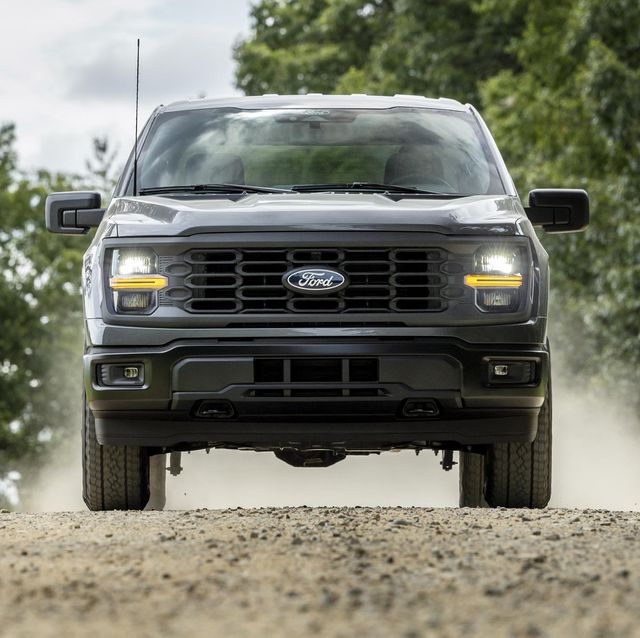
If you’re exploring Ford’s premium features, you’ve likely come across the term “CCD system” when looking at Ford F150 models. But what exactly is it, and why should it matter to you? The Continuously Controlled Damping (CCD) system is a cutting-edge suspension technology that Ford has integrated into select F150 models to significantly improve driving dynamics. Whether you’re cruising on smooth highways or tackling rough terrains, the CCD system optimizes your driving experience by constantly adjusting the suspension to provide the best possible comfort and control.
Let’s dive deeper into how this system works and the benefits it offers for your F150.
The Continuously Controlled Damping (CCD) system on the Ford F-150 is an adaptive suspension that provides a smooth and agile ride by automatically adjusting the shocks to suit the road surface and selected Terrain Management System (TMS) mode. The CCD system monitors a variety of data points, including:
suspension position, vehicle load, speed, road conditions, body movement, steering, and braking.
The CCD system can adjust the suspension damping within milliseconds to provide enhanced vehicle control. The CCD system also works with the Tow/Haul mode to provide a smooth drive when towing a trailer.
How Does the CCD System Work?
The CCD system uses a network of sensors and advanced algorithms to monitor road conditions in real-time, up to 500 times per second. These sensors track various parameters, including the vehicle’s speed, steering, braking, and even the roughness of the road surface. Based on this information, the system automatically adjusts the suspension’s damping force to ensure a smoother ride.
In simpler terms, it’s like having a highly intuitive shock absorber that knows when to stiffen or soften the suspension based on the type of road you’re driving on. For instance, if you’re driving on a bumpy dirt road, the CCD system will soften the suspension, making the ride less jarring. On the other hand, if you’re speeding down the highway, it will stiffen the suspension to reduce body roll and improve handling.
Benefits of the CCD System on the F150
Enhanced Ride Comfort The most noticeable benefit of the CCD system is its ability to provide a smoother ride. For F150 owners who often find themselves driving in various conditions—city streets, highways, or off-road—the system adapts to each situation, reducing vibrations and harsh impacts from uneven surfaces.
Improved Handling The CCD system doesn’t just focus on comfort; it also enhances the vehicle’s handling. By stiffening the suspension during high-speed maneuvers, it reduces body roll, ensuring that the truck remains stable and responsive during sharp turns. This balance between comfort and control is ideal for drivers who want both smooth driving and precise handling, especially in the versatile Ford F150.
Superior Off-Road Capabilities For F150 enthusiasts who enjoy taking their trucks off-road, the CCD system is a game-changer. The system adjusts itself to handle rocky trails, dirt paths, and other challenging terrains by softening the suspension when needed, ensuring better traction and reducing the risk of damage from hard impacts.
Increased Safety Safety is another key benefit of the CCD system. By adjusting the suspension based on real-time driving conditions, the F150 can maintain better traction and stability, reducing the likelihood of accidents caused by loss of control. For instance, on slippery or wet roads, the CCD system can improve grip by optimizing suspension stiffness.
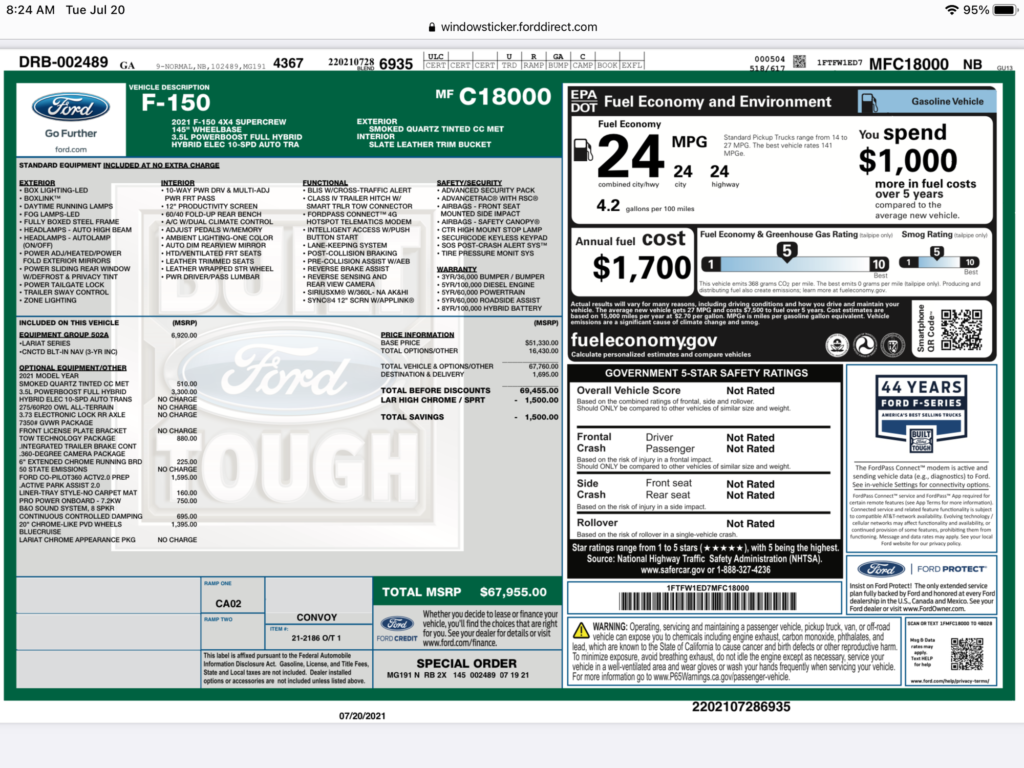
The Continuously Controlled Damping system is usually available on higher-end trims of the Ford F150, such as the Platinum and Limited models. It’s often bundled with other premium features, like the 360-degree camera system and advanced driver-assistance technologies. However, the availability of the CCD system may vary depending on the specific year and trim level of the F150 you’re considering.
If you’re purchasing a new Ford F150, it’s a good idea to check with your local dealership or refer to resources like Road Momentum to confirm whether the CCD system is included in the package you’re interested in. Many F150 owners find that the CCD system, along with other high-end features, provides an enhanced driving experience that’s well worth the investment.
Is the CCD System Worth It?
Now, you might be wondering—should you go for an F150 equipped with the CCD system? The answer largely depends on how and where you plan to drive your truck. If you’re someone who frequently travels long distances, tackles rough terrains, or simply values a smooth and controlled ride, then the CCD system is worth considering.
While it does come at an additional cost, the benefits in ride comfort, handling, and safety make it a valuable feature, especially if you’re opting for higher trims where the system comes as part of a premium package.
How to Experience the CCD System Firsthand
To truly appreciate the capabilities of the CCD system, it’s best to experience it firsthand. Many Ford dealerships offer test drives of F150 models equipped with this feature. During a test drive, you’ll notice how seamlessly the system adapts to different road conditions, providing both comfort and control.
Additionally, you can consult trusted automotive sources like Road Momentum to read real-world reviews from F150 owners who have experienced the benefits of the CCD system. These reviews often highlight how the system performs in a variety of conditions, helping you make a more informed decision.
Conclusion
The Continuously Controlled Damping (CCD) system is a standout feature on select Ford F150 models, offering a superior blend of comfort, handling, and safety. Whether you’re driving on smooth highways or rugged off-road trails, the CCD system ensures that your F150 delivers an optimal ride experience by adapting its suspension in real time.
If you’re in the market for a new F150, and ride quality is a top priority, the CCD system is certainly worth considering. Not only does it make your driving experience smoother, but it also enhances the overall safety and performance of the vehicle. For more insights and details on how the CCD system performs in real-world scenarios, head over to Road Momentum, where you can find comprehensive reviews and expert analysis on all things related to the Ford F150.
The most common reasons for hesitation when accelerating in an F150 are dirty fuel injectors and poor ignition. Dirty fuel injectors lead to a loss of power and engine misfires, while issues with spark plugs or ignition coils can also cause hesitation. Thoroughly cleaning the throttle body and ensuring that the throttle position and mass…
To fix the rear cup holder in a Ford F150, start by removing the cup holder from the vehicle. Then, disconnect any pilot light harnesses if present. Finally, pull the cup holder free and proceed with the necessary repairs or replacement. A broken rear cup holder in your Ford F-150 can be annoying—especially when your…
Yes, Ford does provide loaner cars for warranty work. You can request a loaner car from your local Ford dealership if your vehicle is in for warranty work. Imagine this scenario: You’re driving down the road, enjoying the smooth ride in your Ford, when suddenly, a strange noise catches your attention. The car isn’t performing…
To turn off the Ford door chime, you can use the FORScan software and make the necessary code changes or set the headlights to the auto setting. This will disable the chime when the door is opened. It is also possible to toggle the door chime using HomePro. Remember to always close your door before…
The cost of leasing a Ford F150 can vary depending on several factors such as location, trim level, and lease term. However, according to TrueCar, the starting lease price for a Ford F150 is around $27,335. This price may fluctuate based on individual dealerships and promotional offers. Understanding Ford F150 Leasing Leasing a Ford F150…
A bad crankshaft position sensor is a common cause of a Ford F150 not starting. This can be caused by ignition issues, battery issues, starter failure, engine timing, and battery charge issues. If your car won’t start, it could be due to a weak battery, a busted starter, faulty electrical connections, or bad spark plugs….

 How Far Can You Drive With A Dead Battery
 how much is a replacement key for Ford F150
 What is a Ford Csp : Everything You Need to Know
 How To Identify A Ford Transmission: Tips and Techniques
 How to Reset Tpms Ford F150: Quick and Easy Steps
 How to Bypass O2 Sensor on Ford F150: A Foolproof Guide
 Which F150 Has Adaptive Cruise Control
 How Much are Ford F150 Brake Pads? Find the Best Prices Here!
 Does 30 Oz Yeti Fit in Cup Holder? Find Out Now!
 How Much is a Leveling Kit for F150? Find the Best Deals!
 What Size Toolbox Fits Ford F150: Find the Perfect Fit
 What Is Included In F150 300A Package