How Much Does a Ford F250 Super Duty Cost
How much does a Ford F-250 Super Duty cost? The short answer: it depends, a lot. This isn’t a one-price-fits-all truck. Whether you’re hauling equipment, towing a fifth-wheel, or just need a rugged daily driver, the final price hinges on configuration, location, and timing.
In our research, the 2024 base Ford F-250 Super Duty starts around $43,000 for an XL Regular Cab with the 6.2L gas V8 and rear-wheel drive. But most buyers opt for upgrades that push real-world prices well past $60,000, and fully loaded models can exceed $90,000. Let’s break down exactly what drives that number so you can figure out what your F-250 will actually cost.
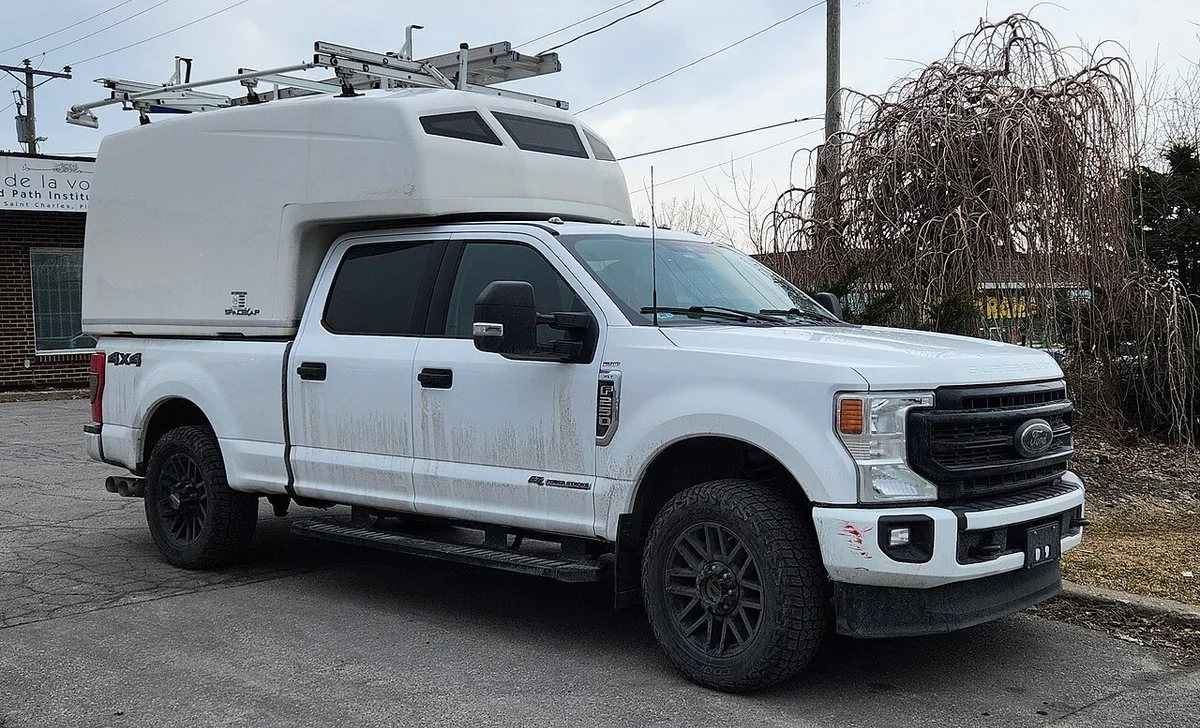
Why the Ford F-250 Super Duty Price Isn’t Just One Number
The F-250 isn’t a single product, it’s a platform with dozens of valid builds. Ford offers six trim levels, three engines, three cab styles, two bed lengths, and two drivetrains. Each choice changes the price, sometimes by thousands of dollars. Add optional packages like the Tremor off-road suite or Max Trailer Tow, and the range widens even more.
Then there’s the new vs. used divide. A three-year-old F-250 with 40,000 miles might save you $15,000 off a comparable new model, but you’ll miss out on the latest tech and full warranty coverage. Regional demand also plays a role: rural dealers in farming or oil country often charge more due to higher interest, while urban lots may discount to move inventory.
What Actually Determines Your F-250’s Cost
Your final price is a sum of five key variables: trim, engine, cab, bed, and drivetrain. Get clear on these before you even look at stickers.
Trim Levels: From Workhorse XL to Luxury Limited
Trim dictates everything from upholstery to tech. The XL is pure utility, vinyl seats, basic radio, steel wheels. It’s perfect if you’re buying for a crew or fleet. Step up to XLT and you get cloth seats, Ford’s SYNC 3 infotainment, and alloy wheels.
Lariat adds leather, dual-zone climate, and more driver aids.
King Ranch and Platinum bring luxury touches like massaging seats and premium audio, while the Limited tops the range with massaging front seats, a panoramic roof, and adaptive cruise. Here’s how MSRPs stack up for a Crew Cab 4×4 gas model as of 2024:
| Trim | Starting MSRP |
|---|---|
| XL | $48,500 |
| XLT | $55,200 |
| Lariat | $63,800 |
| King Ranch | $72,100 |
| Platinum | $76,400 |
| Limited | $84,900 |
Engine Choice: Gas vs. Diesel and the Price Gap
You’ve got three engine options. The 6.2L V8 gas is standard on XL and XLT, it’s reliable but thirsty under load. The 7.3L V8 gas (standard on Lariat and up) offers better low-end torque and towing. But the real workhorse is the 6.7L Power Stroke V8 Turbo Diesel.
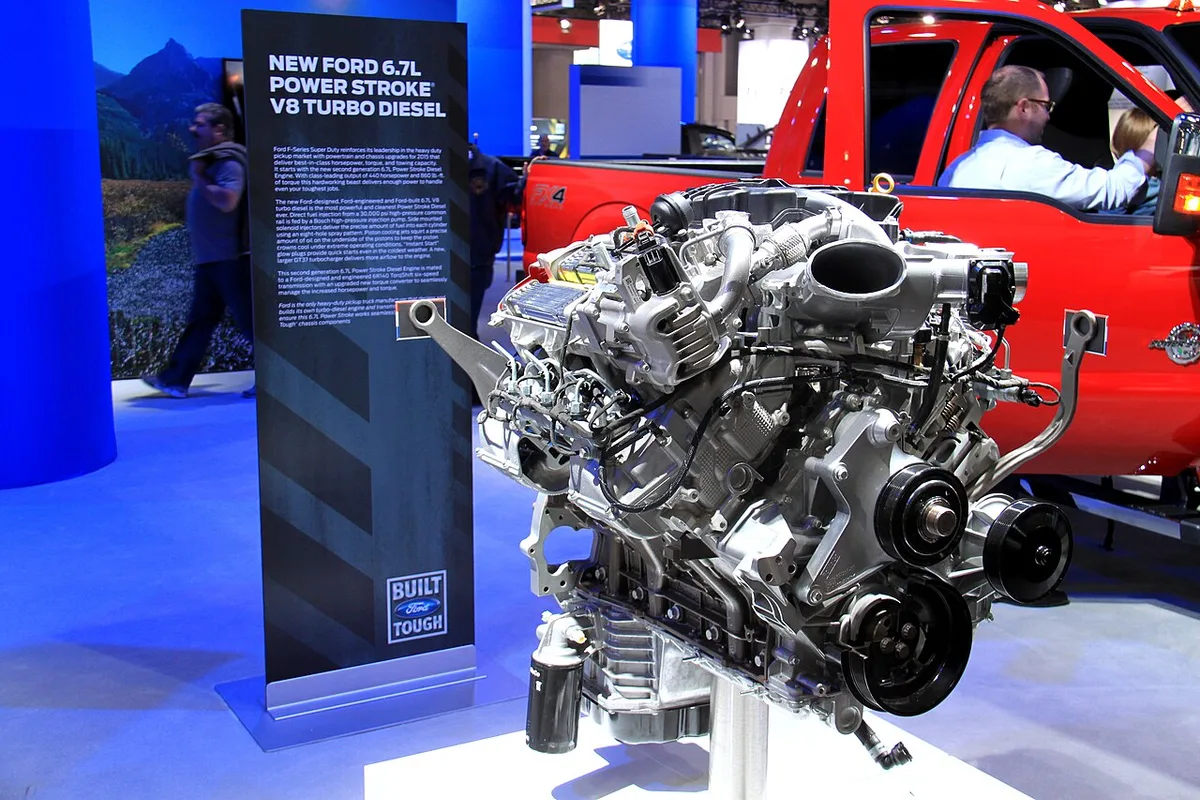
Diesel adds $9,000, $12,000 to the price but delivers 475 hp and a massive 1,050 lb-ft of torque. It’s the only choice if you’re towing over 15,000 lbs regularly. Just remember: diesel maintenance costs more, and you’ll need to factor in DEF fluid and occasional DPF regeneration.
Cab, Bed, and Drivetrain: How Configuration Changes the Price
Cab size affects passenger space and price. Regular Cab is cheapest but only seats three. SuperCab adds rear-hinged doors and tight back seats, good for tools, not people. Crew Cab is the sweet spot for most buyers: four full doors and usable rear seating.
Expect to pay $2,000, $3,500 more than a Regular Cab.
Bed length matters if you haul loose materials. The 6.75-ft bed is standard on Crew Cabs; the 8-ft bed adds about $500 but gives you serious cargo volume.
Finally, drivetrain. Rear-wheel drive (4×2) is standard and cheaper, but if you’re in snow, mud, or hauling heavy loads, 4×4 is non-negotiable. It adds $4,000, $5,000 and improves resale value.
New vs. Used: Which Makes Sense for You?
New F-250s come with the latest safety tech, a 3-year/36,000-mile bumper-to-bumper warranty, and 5-year/60,000-mile powertrain coverage. You also get access to current incentives, Ford often offers $1,000, $3,000 in rebates on Super Duty models.
Used F-250s (3, 5 years old) typically cost 25, 35% less than new. A 2021 Lariat Crew Cab 4×4 diesel might list for $55,000 versus $75,000 new. But check the maintenance history carefully, diesels need consistent care. Also, older models may lack features like blind-spot monitoring or wireless CarPlay.
If you’re on a tight budget and don’t need the newest tech, a certified pre-owned (CPO) F-250 from a Ford dealer can be a smart middle ground. CPO trucks get a 7-year/100,000-mile powertrain warranty and a 12-month/12,000-mile comprehensive warranty.
Real-World Pricing Breakdown (2024 Models)
MSRP is just the starting point. Here’s what actual buyers are paying:
Base Model to Fully Loaded: MSRP Ranges
- XL Regular Cab 4×2, 6.2L gas: $43,000, $46,000
- XLT Crew Cab 4×4, 7.3L gas: $58,000, $62,000
- Lariat Crew Cab 4×4, diesel, FX4 package: $70,000, $75,000
- Platinum Crew Cab 4×4, diesel, Max Trailer Tow: $80,000, $85,000
- Limited Crew Cab 4×4, diesel, all options: $88,000, $93,000
These are out-the-door estimates including typical dealer fees but before taxes or incentives.
Dealer Markups, Incentives, and Hidden Fees
In high-demand areas, some dealers add $5,000, $10,000 in “market adjustments.” Always ask for the out-the-door price upfront. On the flip side, Ford frequently offers conquest cash (for switching from a competitor) or loyalty bonuses (if you’ve owned a Ford before).
Watch for add-ons like fabric protection, VIN etching, or nitrogen fills, they’re rarely worth the cost. And don’t forget destination charges ($1,795) and documentation fees ($300, $800, varies by state).
How to Figure Out What Your F-250 Will Cost
Start by matching your real-world needs to the right configuration. If you’re towing a 18,000-lb fifth-wheel weekly, you’ll need the diesel, 4×4, and Max Trailer Tow package, no question. But if you’re just hauling tools to job sites, a gas XLT Crew Cab might save you $15,000 without sacrificing capability.
Use Ford’s online build-and-price tool to configure your ideal setup. It’ll show you MSRP, available incentives, and even local inventory. But remember: it doesn’t include dealer fees, taxes, or potential markups. Always cross-check with at least three dealers before committing.
Step 1: Match Trim and Engine to Your Needs
Ask yourself: who’s riding in this truck, and what are you putting in or behind it? Crew Cab is worth the extra cost if you regularly carry passengers. Diesel makes sense only if you tow heavy or drive long distances, otherwise, the fuel and maintenance savings rarely offset the upfront premium.
For most buyers, the Lariat trim with the 7.3L gas engine strikes the best balance of comfort, capability, and cost. It includes key features like blind-spot monitoring and dual-zone climate without the luxury markup of King Ranch or Platinum.
Step 2: Use Ford’s Build Tool (and Know Its Limits)
The build tool is great for seeing how options stack up. Add the FX4 package? That’s $1,000 for skid plates and off-road tuned shocks. Max Trailer Tow?
Another $2,500 for the gooseneck hitch, upgraded cooling, and trailer brake controller.
But the tool won’t show you regional pricing differences or current dealer inventory. A Platinum in Texas might be $5,000 cheaper than the same truck in California due to demand and emissions rules. Always call dealers with your exact configuration to get real quotes.
Step 3: Get Multiple Quotes and Negotiate Smart
Don’t accept the first offer. In our research, buyers who got three or more quotes saved an average of $3,200 off MSRP. Start negotiations from the invoice price, not MSRP. Ford dealers typically have a 5, 7% margin, so there’s room to move.
Ask specifically about current incentives: conquest cash, loyalty bonuses, or commercial rebates. If you’re trading in, get that appraisal separate from the new truck price, it’s harder for dealers to lowball both at once. And never let them bundle add-ons you don’t want into the deal.
Common Money Traps When Buying an F-250
Dealers love to upsell on protection packages. Fabric guard, paint sealant, and VIN etching sound useful but rarely justify their $800, $1,500 price tags. These services are cheap for dealers to provide and pure profit.
Another trap: financing through the dealership without shopping your own rate. Even with 0% APR offers, you might get a higher vehicle price to offset the incentive. Always compare with credit unions or banks first.
And watch for “market adjustment” fees in high-demand areas. If a dealer adds $7,500 for “high demand,” walk away. There’s almost always another dealer willing to sell at or below MSRP, especially if you’re flexible on color or exact options.
Who Should Buy an F-250 (And Who Shouldn’t)
The F-250 shines when you need serious towing or payload. If you’re pulling a heavy camper, hauling livestock trailers, or running a business that depends on a work truck, it’s worth the investment. Its durability and resale value are hard to beat.
But if you’re just commuting or towing under 10,000 lbs occasionally, consider an F-150 or even a heavy-duty half-ton like the Ram 1500 with the Hemi V8. You’ll save $10,000, $15,000 upfront and get better fuel economy, easier parking, and lower insurance.
Also, skip the F-250 if you’re sensitive to ride quality. Even with the available adaptive suspension, it’s stiffer than lighter trucks, fine for work, less ideal for daily comfort.
F-250 vs. the Competition: When It’s Worth the Premium
The Chevrolet Silverado 2500HD and Ram 2500 are the closest rivals. The Silverado offers a smoother ride and slightly better fuel economy with its gas engines, but Ford’s diesel torque and towing numbers lead the segment.
Ram’s interior is more refined, especially in Limited trim, but Ford’s SYNC 4 system is more responsive and integrates better with smartphones. In payload and gooseneck towing, the F-250 consistently outperforms both.
If you’re choosing based on capability alone, the F-250 is the benchmark. But if cabin comfort or fuel efficiency tops your list, test-drive all three. Real-world ownership costs over five years are nearly identical across brands when similarly equipped.
Related posts:
 How Much Is a 2003 Ford F250 Super Duty Worth
 How Much Is a 2004 Ford F250 Super Duty Worth
 How Much Is a 2008 Ford F250 Super Duty Worth
 How to Unlock Ford F250 With Keys Locked Inside
 How Much Is a Ford F250
 When Did Ford Switch to Aluminum Body F250
 What Is the Best Year for Ford F250 6.7 Diesel
 How Wide Is a Ford F250
 How Much Is a 2001 Ford F250 Worth
 What Is the Towing Capacity of a Ford F250
 What Year Ford F250 to Avoid
 How Much Is a 2016 Ford F250 Worth