How Long Does It Take to Build a Ford F250
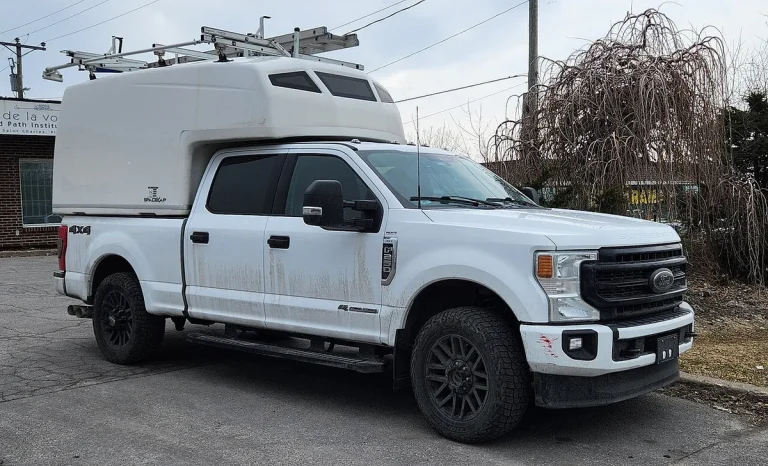
How long does it take to build a Ford F-250? The answer isn’t one number, it’s a spectrum shaped by how you’re getting your truck. Whether you’re ordering fresh from the factory, buying one already on a lot, or wrenching one together yourself, your timeline shifts dramatically based on choices you make before the first bolt turns.
In our research, factory orders for the 2024 Ford F-250 Super Duty average 8 weeks from order confirmation to delivery at your local dealer, though complex configurations can stretch that to 12 weeks or more. That window doesn’t include shipping time or potential delays, which means understanding your path is just as important as knowing the clock.

The Real Answer Depends on How You’re Building It
If you’re ordering a new F-250 directly from Ford, you’re in the factory queue. If you’re pulling a used chassis and rebuilding it in your garage, you’re on a completely different timeline. And if you’re working with a custom shop, you’re trading cash for speed and expertise. Each route has its own rhythm, bottlenecks, and decision points.
Your engine choice, cab configuration, drivetrain, and optional packages all feed into how long the process takes. A base-model XL with a 7.3L gas V8 might zip through production, while a Limited trim with the High Output 6.7L Power Stroke diesel and Tremor Off-Road Package could sit in line for months. Even buying in-stock isn’t always instant, regional inventory varies, and popular combos disappear fast.
Factory Order: From Click to Keys
Placing a factory order starts with your Ford dealer locking in your configuration and submitting it to the production system. Once accepted, your truck gets slotted into the build schedule at the Kentucky Truck Plant, Ford’s dedicated Super Duty facility. From there, manufacturer specs confirm the typical cycle is 6, 12 weeks, with 8 weeks as the median for most buyers as of 2026.
What you spec matters. Crew Cab 4×4 models with diesel engines and luxury interiors take longer due to higher demand and more assembly steps. If you add niche packages like the Camper Package or high-capacity trailer tow setup, expect another 1, 2 weeks. Dealers can often give you a production week estimate, but don’t treat it as a guarantee, supply chain hiccups still happen.
Buying In-Stock: The Fastest Path
If you need wheels tomorrow, an in-stock F-250 is your best bet. Many dealers keep a rotating selection of popular trims and powertrains on the lot, especially XLT and Lariat models with gas engines. You can often drive away within days, sometimes the same day, if the exact truck you want is nearby.
The trade-off? Limited customization. You’re choosing from what’s already built, which means compromises on color, interior, or tech features. Inventory apps and dealer websites let you filter by location, but rural areas may have fewer options.
Still, for buyers prioritizing speed over specs, this route delivers.
DIY Build: A Labor of Love (and Time)
Building an F-250 from scratch, whether restoring a salvage chassis or assembling a kit, isn’t a weekend project. In our research, experienced builders report 3 to 6 months for a clean, road-ready truck, while weekend warriors often stretch to 18 months or more. The critical path usually runs through the drivetrain: engine mounting, transmission mating, and electrical integration eat up most of the time.
You’ll also face parts sourcing delays, especially for OEM components like axles, steering boxes, or factory ECUs. And if you’re swapping in a modern diesel, emissions compliance adds another layer of complexity. This path rewards patience and mechanical skill, but it’s not for anyone needing a work truck next month.
Custom Shop Builds: Paying for Speed and Skill
Professional custom shops offer a middle ground: you get a tailored F-250 without doing the wrenching yourself. These builds typically run 2, 6 months, depending on the shop’s backlog and how radical your modifications are. A mild lift and exhaust might take 8 weeks; a full frame-off resto with a built engine could push toward 6 months.
What you’re paying for isn’t just labor, it’s expertise in sourcing parts, avoiding compatibility issues, and ensuring everything passes inspection. Reputable shops provide timelines upfront and update you weekly, but always build in a buffer. Rush jobs often lead to cut corners or rework, which costs more in the long run.
The Hidden Delays Nobody Talks About
Even with a solid plan, surprises pop up. Parts shortages, especially for the 6.7L Power Stroke diesel or Tremor Off-Road Package, can add weeks to your timeline. In our research, Ford’s own dealer portal occasionally flags “allocation delays” for high-demand combos, pushing production slots back without warning.
Shipping from the Kentucky Truck Plant to your local dealer usually takes 1, 2 weeks, but rail or trucking bottlenecks happen. Winter storms, port backups, or carrier shortages can stall delivery, even if your truck rolled off the line on schedule. Always ask your dealer for a VIN and track it through Ford’s production status tool, it’s the only way to spot hiccups early.
Mistakes That Add Months to Your Build
Ordering without confirming your production slot is the fastest way to get stuck in limbo. Some dealers will take your deposit and config, but not lock in a build week until inventory opens up, leaving you waiting indefinitely. Always get a written confirmation with an estimated production week before you pay.
Another trap: assuming “build time” means “delivery time.” It doesn’t. Your truck still needs to be prepped, inspected, and transported. And if you skip the pre-delivery inspection (PDI), you might miss defects that require rework, adding another 1, 2 weeks to your wait.
Best Option for Your Situation
Need it now? Buy in-stock. You’ll sacrifice some customization, but you’ll drive away fast. Want every spec exactly right?
Factory order, but budget 10, 12 weeks, not 6. Love the project and have the skills? DIY, but treat it as a long-term hobby, not a quick fix.
If you want pro results without the hassle, a custom shop is worth the premium. Just vet them carefully: ask for past build timelines, check their parts sourcing process, and avoid shops that promise unrealistically fast turnarounds.
Final Checklist Before You Commit
Confirm production lead times with your dealer, don’t rely on generic estimates. Map your must-have features against nice-to-haves; dropping one optional package can shave weeks off your wait. And always set a timeline buffer. Add 2 weeks to any quoted date.
Surprises happen, and padding your schedule keeps frustration low.
Before you sign anything, double-check the VIN assignment process. Once your truck is built, changes are nearly impossible. If you’re close to a decision boundary, say, between a gas and diesel engine, know that the diesel will likely take longer. Make the call early, or you’ll restart the clock.
Related posts:
 Guide to Is a Ford F250 Gas or Diesel
 Where Is Ford F250 Built
 Where Is Ford F250 Made
What Is the Gvwr of a Ford F250 Super Duty
How Long Is a Ford F250 Crew Cab
Are Ford F250 Aluminum Body
Are Ford F250 Diesel Reliable
How Do Ford F250 Auto Locking Hubs Work
Where Is Ford F250 Made
What Is the Gvwr of a Ford F250 Super Duty
How Long Is a Ford F250 Crew Cab
Are Ford F250 Aluminum Body
Are Ford F250 Diesel Reliable
How Do Ford F250 Auto Locking Hubs Work
 How Heavy Is a Ford F250 Super Duty
 How It Feels to Drive a Ford F250
 Meme
How It Feels to Drive a Ford F250
How It Feels to Drive a Ford F250 Meme
 How Long Do Ford F250 Diesel Last