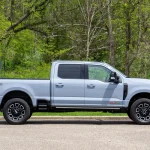
How to Make Ford F250 Ride Softer — Real Buyer Picks
If you’ve ever driven a Ford F-250 on anything other than glass-smooth pavement, you know exactly why people search “how to make ford f250 ride softer.” The Super Duty’s factory suspension is built to haul heavy loads, not pamper your spine. It’s stiff by design, engineered for maximum payload and towing, not daily-driver comfort. That trade-off shows up the second you hit a pothole or railroad crossing.
Manufacturer specifications indicate the F-250’s rear leaf springs carry a spring rate of 600, 800+ lbs/in as of 2026, nearly double what you’d find in a light-duty truck. That’s great for work, but it turns empty-bed cruising into a bucking bronco ride. The good news? You don’t need a new truck to fix it.
Small, smart adjustments can dramatically smooth things out without sacrificing capability.
Why Your Ford F-250 Rides So Rough
The F-250’s harsh ride isn’t a defect, it’s a feature. Ford tunes these trucks for worst-case scenarios: max payload, max tongue weight, rough job sites. The suspension prioritizes control under load over comfort when empty. That means stiff springs, firm shocks, and minimal suspension travel when you’re just commuting.
Front and rear setups both contribute. Newer models use coil springs up front, but they’re still calibrated for heavy-duty use. Out back, multi-leaf springs are stacked for strength, not softness. Even the tires play a role, LT (Light Truck) tires often run at high pressures (50, 80 psi max), which transmits every bump straight into the cab.
Combine that with a rigid frame and short wheelbase, and you’ve got a recipe for a jittery, uncomfortable ride on normal roads.
What Actually Controls Ride Softness (It’s Not Just the Shocks)
Most people blame shocks first, but ride quality is a system. Shocks control how fast the suspension moves, they dampen bounce, but they don’t set the baseline stiffness. That’s governed by springs (or air springs), tire sidewall flex, and even how the cab mounts to the frame.
Think of it like this: springs are the mattress, shocks are the motion-control layer on top. You can’t fix a rock-hard mattress with a better topper. On the F-250, the rear leaf springs are the biggest culprit. They’re designed to stay flat under 2,000+ pounds, so with no load, they’re overly firm.
Front coil springs are less extreme but still stiffer than passenger-truck setups. Tires matter just as much, low-profile or high-PSI LT tires offer almost no cushion.
Your Truck’s Setup: The First Clue to a Better Ride
Before buying anything, check your current configuration. It dictates what’ll work, and what won’t.
- Cab type: Crew Cab models have a longer wheelbase, which naturally smooths ride quality compared to Regular Cab.
- Drivetrain: 4x4s often feel harsher due to added weight and driveline stiffness, though the difference is subtle.
- Engine: Diesel F-250s carry ~200 lbs more weight over the front axle, which can slightly soften front-end feel but increase rear-end bounce when unloaded.
- Factory options: Trucks with the Heavy-Duty Trailer Tow Package or Max Trailer Tow often have even stiffer rear springs. FX4 Off-Road Package adds thicker shocks and skid plates, great for trails, rough for pavement.
- Mod history: If you’ve leveled the front or added a lift, you’ve likely made the ride worse by reducing suspension droop and increasing spring preload.
Knowing your setup helps you avoid fixes that backfire. For example, adding air bags to a truck already running stiff helper springs can double down on harshness.
Quick Fixes That Make an Immediate Difference
You don’t need tools or parts to start. These cost nothing and take minutes.
Check your tire pressure. Most F-250 owners run LT tires at max sidewall pressure (e.g., 65 or 80 psi) even when unloaded. That’s overkill. Ford’s door-jamb sticker lists the correct cold pressure, usually 35, 45 psi for daily driving. Drop to that, and you’ll notice less vibration and better bump absorption immediately.
Inspect your shocks. Worn shocks don’t just leak, they lose damping control, letting the springs oscillate longer after each bump. If your truck bounces more than once or twice after hitting a dip, your shocks are likely shot. Replacing them with quality aftermarket units (like Bilstein 5100s) can restore stability without adding stiffness.
Unload unnecessary weight. That toolbox, spare fuel jug, or dog kennel in the bed? Every extra pound increases spring preload. Remove what you don’t need for your trip.
These tweaks won’t turn your F-250 into a luxury sedan, but they’ll dial back the worst of the harshness, and they’re free or cheap.
When to Upgrade: Shocks, Springs, or Air Suspension
If quick fixes aren’t enough, it’s time to upgrade, but choose based on your use case.
Shocks only work best if your current springs are fine but damping is poor. Good for trucks with high mileage or off-road abuse. Bilstein 5100 or Fox 2.0 shocks improve control without changing ride firmness much. Budget: $200, $400.
Spring upgrades mean swapping rear leafs for progressive-rate or softer constant-rate sets. Brands like Deaver or Atlas offer “daily driver” leaf packs that soften empty-bed ride while maintaining load capacity. Front coil springs are harder to change without affecting alignment, most owners skip this unless leveling.
Air suspension (like Air Lift or Firestone kits) is the most flexible fix. You keep factory springs but add adjustable air bags between the axle and frame. Inflate them slightly (5, 15 psi) to soften the ride when unloaded; add more when towing. It’s reversible, tunable, and preserves payload.
Cost: $300, $800.
Pick shocks if you’re on a tight budget and just need better control. Go air if you want on-the-fly adjustability. Swap springs only if you’re committed to a permanent change and don’t mind potential alignment or warranty implications.
Air Helper Bags vs. Full Air Suspension: Which One’s Right for You?
Air helper bags (like Firestone Ride-Rite or Air Lift 5000) bolt onto your existing leaf springs and add adjustable air support. They’re simple, affordable, and preserve factory ride height. Fill them slightly when unloaded to cushion bumps; add pressure when hauling. Most kits operate between 5, 100 psi, but you’ll rarely need more than 10, 15 psi for comfort.
Full air suspension replaces your rear leaf springs entirely with air springs and often includes compressors, tanks, and electronic controls. It’s smoother, more tunable, and eliminates the harshness of metal-on-metal leaf contact. But it’s costly ($1,200, $2,500), complex to install, and may require professional alignment.
Choose helper bags if you want a reversible, budget-friendly fix that still lets you tow heavy. Go full air only if you’re committed to maximum comfort and don’t mind the expense and maintenance.
Tire Pressure and Tire Choice: The Hidden Lever for Comfort
Your tires are the first line of defense against bumps. Most F-250 owners run LT tires at max pressure, say, 65 or 80 psi, because that’s what the sidewall says. But Ford’s door-jamb sticker lists the correct cold pressure for your actual load, usually 35, 45 psi for daily driving. Drop to that, and you’ll absorb more road chatter instantly.
Tire type matters too. P-metric tires (like P275/65R18) have softer sidewalls and ride quieter than LT tires, but they can’t handle max payload. If you rarely tow over 10,000 lbs, swapping to P-metrics is a cheap win. For mixed use, look for LT tires with lower load ranges (LT265/70R17 E instead of F), they flex more and feel less rigid.
Always check pressure cold, before driving. Heat builds pressure, and adjusting hot gives false readings.
Leveling Kits and Ride Quality: The Trade-Off You’re Probably Missing
Leveling kits (usually 2, 3 inches of front lift) level the F-250’s factory rake for a tougher look. But they shorten suspension droop travel and increase spring preload, making the front end stiffer. On rough roads, that means more jarring over dips and potholes.
If you’ve already leveled and regret the harshness, consider a mild kit (1.5 inches) or pair it with softer front shocks. Some owners add a rear drop hanger to the leaf springs, restoring some rear suspension travel without losing height. Avoid kits that use spacers on coil springs, they don’t change spring rate but can reduce available compression.
Remember: leveling improves aesthetics and slight front clearance, but it rarely improves ride. If comfort is your goal, skip it or compensate with other mods.
Step-by-Step: Tuning Your Suspension for Daily Driving
Start with tire pressure. Check the door-jamb sticker, not the tire sidewall. Set all four tires to the recommended cold pressure for your current load, usually 35, 45 psi unloaded.
Next, inspect shocks. Look for oil leaks, dented bodies, or excessive bounce (more than one rebound after a curb drop). Replace with quality monotube shocks like Bilstein 5100s, they’re firm but controlled, not harsh.
If you’re adding air bags, install them per the manual but start low: 5, 10 psi unloaded. Test drive on a rough road. Add 2, 3 psi at a time until the ride feels controlled but not bouncy. Never exceed 20 psi unless towing.
Finally, remove unnecessary weight from the bed. Even 100 lbs of tools adds preload to the rear springs. Keep only what you need for your trip.
Mistakes That Make the Ride Harsher (Even with Upgrades)
Adding air bags without adjusting pressure is the top error. Running them at 30+ psi unloaded turns your truck into a buckboard. Use just enough to level the ride when loaded, 5, 15 psi is typical for comfort.
Installing leveling kits without upgrading shocks compounds stiffness. The new geometry needs better damping. Pair any lift with quality shocks tuned for daily driving.
Overinflating tires after a suspension mod is another trap. More air doesn’t equal better ride, it equals more vibration. Stick to door-jamb specs.
Lastly, don’t mix mismatched components. Soft rear springs with stiff front shocks create unbalanced handling. Keep your setup harmonized: if you soften the rear, consider matching front damping.
Real Costs: From $200 to $1,500+ Solutions
You don’t need to break the bank to soften your F-250’s ride. Start cheap: a set of quality shocks (Bilstein 5100s or KYB Gas-a-Just) runs $200, $400 for all four corners and makes a noticeable difference in control. Pair that with correcting tire pressure, free, and you’ve already improved comfort significantly.
Mid-range fixes include air helper bags ($300, $600 installed) or progressive-rate rear leaf springs ($500, $900). These offer real tuning ability without major surgery. If you tow occasionally but hate the empty-bed harshness, helper bags are the sweet spot: reversible, adjustable, and effective.
Full air suspension ($1,200, $2,500) is for those who prioritize comfort above all else. It eliminates leaf spring stiffness entirely but adds complexity, maintenance, and potential reliability concerns. Only go this route if you’ve tried everything else and still can’t tolerate the ride.
Safety First: Don’t Sacrifice Stability for Comfort
Softer isn’t always safer. The F-250’s stiff suspension keeps it stable under heavy loads and during emergency maneuvers. Over-softening the rear can increase body roll, reduce steering response, and even affect trailer sway control.
Never remove factory overload springs unless replacing them with an equivalent-rated system. These aren’t just for show, they’re part of the load-rated design. Similarly, avoid extremely low tire pressures; below 30 psi, you risk tire overheating and blowouts, especially when towing.
If you add air bags, always maintain at least 5 psi when unloaded per manufacturer specs. This ensures the bags don’t bottom out and lose support. And never exceed your truck’s Gross Axle Weight Rating (GAWR), check the door-jamb sticker. Comfort mods shouldn’t compromise the engineering that keeps you safe when it matters.
Final Decision Guide: What to Do Based on Your F-250 and Your Needs
If you drive unloaded daily and rarely tow: start with tire pressure correction and new shocks. Add air helper bags if needed. Avoid leveling kits, they’ll make things worse.
If you tow frequently but want better empty-bed comfort: install air helper bags and keep tire pressure at door-jamb specs. Consider P-metric tires if your loads stay under 10,000 lbs.
If you’ve already leveled your truck and regret the harshness: upgrade to tuned shocks (Bilstein 5100s work well with mild lifts) and add slight rear air support. Don’t stack multiple stiffening mods.
If you’re building a dedicated daily driver: progressive leaf springs or full air suspension are options, but weigh the cost and complexity. Most owners find helper bags plus shocks deliver 80% of the benefit for 20% of the price.
Stick to reversible mods where possible. You can always add more later, but undoing a full suspension swap is expensive and time-consuming.
Related posts:
 What Year Ford F250 to Avoid
 Does a 2001 Ford F250 Have a Cabin Air Filter
Does a Ford F250 Have a Cabin Air Filter
How Long Is a Ford F250 Extended Cab
How Many Catalytic Converters Does a Ford F250 Have
 How Many Tons Can a Ford F250 Haul
 How Much Does a 2019 Ford F250 Weigh
How Much Is a 1995 Ford F250 Worth
How to Disable Tpms on Ford F250 — Ranked & Reviewed
How to Replace Body Mount Bushings Ford F250 2026
How to Replace Rear Brake Pads on Ford F250: Expert Picks
 Best Ladder Rack for Ford F250