How to Get a Spare Tire off a Ford F150
Knowing how to get that spare tire off your truck can save you time, money, and a lot of frustration. Imagine the confidence and peace of mind you’ll feel, knowing you can handle the situation swiftly and get back on the road in no time.
This guide will walk you through the simple steps to safely and efficiently remove the spare tire from your Ford F150, so you’re prepared for any unexpected bumps in the road. Stay with us, and by the end of this article, you’ll have the knowledge and skills you need to tackle a flat tire without breaking a sweat.
Key Steps
- Park the Truck on a Level Surface and Engage the Parking Brake
- Locate the Spare Tire Access Hole (near the rear license plate or bumper)
- Retrieve the Tire Changing Tools (jack kit, rod, and crank handle)
- Assemble the Crank Handle or Extension Rod
- Insert the Tool into the Access Hole
- Turn the Crank Counterclockwise to Lower the Spare Tire
- Lower the Tire Fully to the Ground
- Disconnect the Retaining Cable or Latch from the Tire
- Slide the Spare Tire Out from Under the Truck
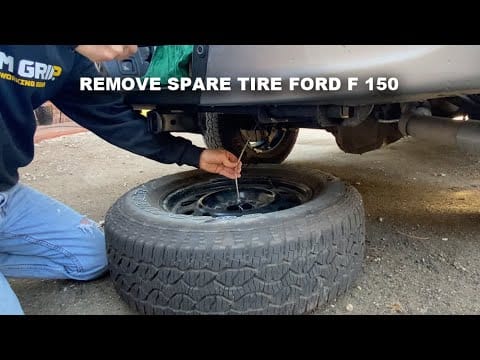
Tools Required
Several tools are needed to remove the spare tire from a Ford F150. A jack is essential to lift the truck safely. The lug wrench helps loosen the bolts holding the tire. A tire iron can also be useful in this process. It’s important to have the spare tire key to unlock the tire. Without it, removing the tire becomes difficult. Having a flashlight is handy if you’re working in low light.
Keep a pair of gloves to protect your hands. A tire pressure gauge ensures the spare is ready for use. Always double-check your tools before starting. It helps avoid any delays or mishaps. Safety should be the top priority during this task.
Locating The Spare Tire
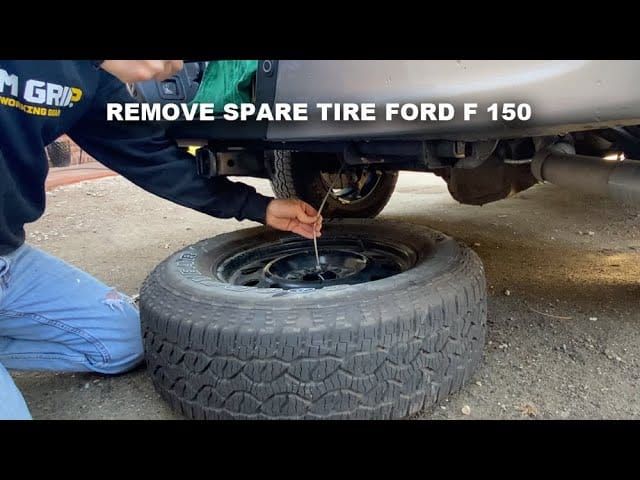
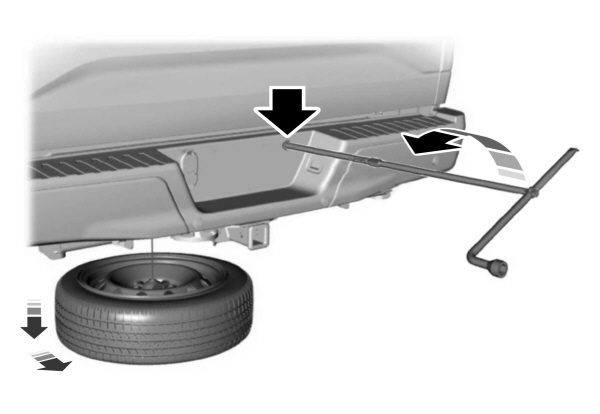
The spare tire is under the truck bed. Look under the back end of the truck. You will find the spare tire mounted there. It is attached with a cable. Use a tool called a tire iron. It helps you to lower the tire. Find the hole in the bumper. This is where you insert the tire iron. Turn the tool counterclockwise. The tire will slowly come down. Keep turning until the tire touches the ground. Now, you can remove it easily. Make sure the truck is on flat ground. Safety first!
Accessing The Spare Tire
Locate the access cover near the back of the truck. It’s part of the bumper. Use your key to open the cover. Turn the key slowly. The cover will pop open. Pull it gently to remove it. This will give you access to the spare tire.
Find the jack handle inside the truck. It’s usually behind the seat. Take the handle and insert it into the hole. Turn the handle to lower the tire. Keep turning until the tire reaches the ground. Now the tire is ready to be used.
Lowering The Spare Tire
To start, find the spare tire winch near the back of the truck. This tool helps lower the tire. Look for a small hole near the bumper. The spare tire winch connects here. Use a long rod to engage the winch. Push the rod into the hole. Turn it slowly. The tire begins to lower.
Cranking the winch mechanism requires patience. Insert the rod fully. Twist it clockwise. The tire will descend. Keep turning until the tire touches the ground. Check its position. Make sure it’s safe to remove.
Once engaged, continue to crank the winch. The tire moves down gradually. Inspect the winch cable. Ensure it doesn’t tangle. Stop cranking when the tire is free. Remove it carefully. Avoid injury. Now, the tire is ready for use.
Detaching The Spare Tire
Find the retainer under the truck. It’s a metal piece holding the tire. Use a wrench to loosen the bolt. Turn it counterclockwise. This releases the retainer. Keep turning until the retainer is free. The tire will drop slightly. Be careful with your fingers. The retainer can be sharp. Set it aside after removing.
The tire hangs by a cable. It’s strong but easy to handle. Use the jack handle to turn the hoist mechanism. Turn it until the tire touches the ground. Push the cable through the center hole. The tire is now free. Pull it out gently. The cable will retract automatically. Make sure the tire is safe to use. Check for any damage.
Storing The Spare Tire Tools
Tools are important to store safely. A jack and a wrench are essential. Keep them in the truck’s designated compartment. This ensures they are easy to find. Tools must be clean and dry. This prevents rust and damage. Check the tools regularly. Make sure they are in good condition. A tool kit bag can be helpful. It keeps everything in one place.
Label your tools if needed. This helps in quick identification. Ensure all tools are present before a trip. Missing tools can be a problem. Spare tire tools are critical for emergencies. Stay prepared and organized. This saves time and stress on the road.

Frequently Asked Questions
How Do I Locate The Spare Tire On A Ford F150?
The spare tire is usually located underneath the bed of the Ford F-150. It’s mounted on a cable system, which can be accessed by lowering the tire using a special tool that fits into a hole near the rear bumper.
What Tools Are Needed To Remove The Spare Tire?
You’ll need a lug wrench and a spare tire removal tool. The removal tool is often part of the vehicle’s jack kit. These tools are essential for loosening the tire’s retaining nut and safely lowering the tire from its storage position.
Can I Remove The Spare Tire Without A Tool?
It’s challenging to remove the spare tire without the specific tool. The removal tool is designed to fit into the mechanism that lowers the tire. Improvising can be difficult and may cause damage to the vehicle or the tire.
How Long Does It Take To Remove The Spare Tire?
Removing the spare tire from a Ford F150 usually takes about 10 minutes. This process includes gathering tools, lowering the tire, and disconnecting it from the cable system. Ensure you follow proper safety measures throughout the process.
Conclusion
Removing a spare tire from a Ford F150 is simple. Follow the steps carefully. Start with the right tools. Locate the spare tire under the truck bed. Use the jack handle to lower the tire. Ensure it’s safe to handle.
Store it securely in your vehicle. Regular checks can prevent future issues. Knowing this process saves time during emergencies. You’re now ready to tackle any flat tire situation. Safe travels!
Related posts:
 How Far Can You Drive With A Dead Battery
 how much is a replacement key for Ford F150
 What is a Ford Csp : Everything You Need to Know
 How To Identify A Ford Transmission: Tips and Techniques
 How to Reset Tpms Ford F150: Quick and Easy Steps
 How to Bypass O2 Sensor on Ford F150: A Foolproof Guide
 Which F150 Has Adaptive Cruise Control
 How Much are Ford F150 Brake Pads? Find the Best Prices Here!
 Does 30 Oz Yeti Fit in Cup Holder? Find Out Now!
 What is a Cam Phaser in a F150? Unraveling the Mystery
 How Much is a Leveling Kit for F150? Find the Best Deals!
 What Is The F150 Sport Package