
How Long Is the Bed on a Ford F250
If you're asking "how long is the bed on a Ford F-250," you're not alone, and the answer isn't as straightforward as you'd think. Unlike smaller trucks, the F-250 comes in multiple bed lengths, and which one you get depends on choices made at purchase. Most buyers assume all Super Duty trucks share the same cargo space, but that’s a common trap.
In our research, manufacturer specifications confirm two standard bed lengths for the Ford F-250 as of 2026: 6.75 feet and 8 feet. The right choice hinges on your cab configuration, work needs, and even where you park. Let’s walk through what actually determines your bed size, and how to avoid mismeasuring.
Why Your F-250’s Bed Length Isn’t Always What You Expect
Truck buyers often walk into dealerships thinking bed length is a free choice, but on the F-250, it’s locked to your cab type. You can’t spec an 8-foot bed with every cab, and some configurations force a shorter bed whether you like it or not. This isn’t a marketing gimmick, it’s engineering reality.
The Ford F-250 uses a body-on-frame design where the cab and bed share structural mounting points. That means Ford engineers had to balance wheelbase, turning radius, and payload distribution when pairing cabs with beds. As a result, not all combinations exist. If you want maximum cargo space, you’ll need the right cab.
And if you prioritize passenger room or tight-space maneuverability, you might sacrifice bed length. Understanding this trade-off upfront saves frustration later.
The Two Real Bed Lengths (And Why They Matter)
There are only two factory bed lengths available on the Ford F-250: 6.75 feet (81 inches) and 8 feet (96 inches). No in-betweens, no custom cuts. Both offer the same width between wheel wells, about 50 inches, and similar depth around 21 inches. But that extra 15 inches in length makes a real difference in what you can haul.
An 8-foot bed fits full 4×8 sheets of plywood flat without overhang, handles standard pallets end-to-end, and gives you room for long tools or lumber. The 6.75-foot bed still carries most DIY loads but requires careful stacking or partial overhang for larger materials. If you regularly move construction supplies, landscaping gear, or equipment, that foot-and-a-quarter adds up fast. But if you mostly use your truck for commuting with occasional hauling, the shorter bed may suit you better.
How Cab Type Dictates Your Bed Options
Here’s the rule that trips up most buyers: your cab configuration determines which bed lengths are available. The F-250 offers three main cab styles, Regular Cab, SuperCab, and Crew Cab, and only some pair with the long bed.
- Regular Cab: Available with either 6.75-ft or 8-ft bed. This is your best bet if you want maximum cargo space and don’t need rear seats.
- SuperCab: Comes with a 6.75-ft bed only. The extended rear access doors and small back seats shift the frame, blocking the 8-ft option.
- Crew Cab: Also limited to 6.75-ft beds. The full rear seat row needs more wheelbase, so Ford doesn’t offer the long bed here.
So if you’re set on an 8-foot bed, your only real choice is the Regular Cab. Want rear seats? You’re stuck with 6.75 feet. This isn’t arbitrary, it’s about maintaining proper weight distribution and chassis integrity.
Trying to force a mismatched combo can compromise towing stability and payload capacity.
Measuring Right: Interior Dimensions vs. Marketing Numbers
Don’t rely on exterior photos or dealer claims, measure the interior yourself. Truck beds are measured from the inside of the bulkhead (behind the cab) to the inside of the tailgate when up. Wheel wells cut into the floor, so true usable width is just under 50 inches.
Manufacturer specs list interior dimensions, but real-world wear, bed liners, or aftermarket parts can shrink that space. A spray-in liner might steal half an inch per side. A heavy-duty toolbox mounted behind the cab eats into length. Always measure from flat surface to flat surface, ignoring curves or reinforcements.
And remember: cargo volume matters more than just length. Depth and width affect how you pack gear, especially if you’re loading irregular items like generators or compressors.
Short Bed (6.75 ft) vs. Long Bed (8 ft): Pros and Cons
Choosing between these two isn’t just about space, it’s about how you use your truck day to day. Each has clear strengths and compromises.
| Feature | 6.75-ft Bed | 8-ft Bed |
|---|---|---|
| Cargo Length | 81 inches | 96 inches |
| Garage Fit | Fits most standard garages | May not fit in tight spaces |
| Maneuverability | Tighter turning radius | Longer wheelbase, wider turns |
| Passenger Space | Available with SuperCab/Crew Cab | Only with Regular Cab |
| Hauling Efficiency | Good for partial loads | Handles full sheets/pallets flat |
| Urban Use | Easier parking and driving | Challenging in cities |
If you need rear seats or frequently drive in tight areas, the 6.75-ft bed makes sense. But if you’re a contractor, farmer, or weekend warrior hauling full material loads, the 8-ft bed’s extra space pays off. Just know you’ll sacrifice passenger room and parking ease. There’s no perfect answer, only the right fit for your workflow.
Real-World Use Cases: Which Bed Fits Your Work?
If you’re hauling mulch for weekend landscaping, a 6.75-foot bed handles two cubic yards comfortably with room for tools. But try moving three pallets of shingles, each 4×4 feet and 300 pounds, and you’ll wish you had that extra foot. Contractors loading full skids of drywall or lumber regularly hit the limits of the short bed, forcing partial overhang or multiple trips.
Farmers and ranchers often prefer the 8-foot bed for feed bags, small bales, or portable fencing. The flat floor lets you slide heavy items in without snagging wheel wells. Meanwhile, suburban DIYers who mostly move furniture, appliances, or garden supplies find the 6.75-foot bed plenty capable, and far easier to park. Your work rhythm, not just cargo size, should drive the choice.
Common Mistakes When Checking or Buying an F-250 Bed
Buyers often assume all F-250s on the lot have the same bed length, but that’s rarely true. We’ve seen shoppers walk away disappointed because they didn’t check the door jamb sticker or VIN before signing. Another trap: measuring the exterior instead of the interior. The sheet metal adds inches you can’t use for cargo.
Some folks also forget that bed accessories eat into usable space. A heavy-duty toolbox mounted behind the cab can steal six inches of length. Spray-in liners reduce width by nearly an inch total. Always measure after installing any add-ons, and double-check specs against your actual model year, Ford tweaked bed dimensions slightly between 2017 and 2020 during the aluminum-body transition.
How to Confirm Your Exact Bed Length (Step-by-Step)
Start by locating the door jamb sticker on the driver’s side, it lists cab type, bed code, and GVWR. Look for “WB” (wheelbase): 142 inches usually means a 6.75-foot bed; 156, 172 inches indicates an 8-foot bed. If the sticker’s missing, use Ford’s free VIN decoder online. Enter your 17-digit VIN, and it’ll show exact build specs including bed length.
For physical verification, grab a tape measure. Place it against the bulkhead (the wall behind the cab) and stretch it to the inside of the closed tailgate. Measure at floor level, avoiding any curves or reinforcements. Subtract half an inch if you have a drop-in liner.
This gives your true cargo length, the number that matters when loading.
Matching Bed Accessories to Your Model Year
Not all bed caps, tonneau covers, or racks fit every F-250. Ford changed bed rail heights and stake pocket locations between generations. A 2011 bed cover won’t sit right on a 2023 model, even if both are 6.75 feet. Always cross-reference your model year and bed code before buying.
Aftermarket brands like TruXedo, Extang, and UnderCover list compatibility by exact trim and year. Check their fit guides carefully, some covers require drilling, others use clamp systems that won’t work with factory bed rails. If you’ve added a liner or step bumper, confirm clearance too. A few millimeters can mean the difference between a snug fit and constant rattling.
Payload and Towing: Why Bed Length Isn’t the Whole Story
A longer bed doesn’t automatically mean higher payload or towing capacity. Those numbers depend on engine, axle ratio, suspension, and frame strength, not cargo box size. An F-250 with the 6.7L Power Stroke diesel and 4.30 rear gears can tow over 20,000 pounds regardless of bed length.
That said, bed length affects weight distribution. Heavier loads placed farther from the rear axle increase tongue weight on gooseneck trailers, improving stability. But overloading the bed, even an 8-footer, can exceed your truck’s payload rating fast. Manufacturer specs confirm most F-250s handle 3,200 to 4,200 pounds, but always check your door sticker for the exact number.
Never guess.
Final Decision Guide: Which F-250 Bed Is Right for You?
If you need rear seats or regularly drive in tight urban areas, the 6.75-foot bed with SuperCab or Crew Cab is your only real option. It fits standard garages, handles most DIY loads, and keeps passengers comfortable. But if you’re a contractor, farmer, or weekend hauler moving full material sheets, the 8-foot bed on a Regular Cab gives you unmatched cargo space, just accept the parking challenges.
Your workflow matters more than specs alone. Measure your typical loads, check your garage clearance, and test-drive both configurations if possible. Don’t let bed length be an afterthought, it’s locked at purchase and hard to change later.
What if I need both passenger space and long cargo?
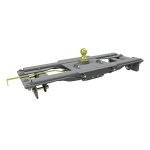
Consider a flatbed conversion or trailer instead. Some buyers add a small utility trailer for oversized items while keeping Crew Cab comfort. Others opt for a gooseneck hitch, which moves heavy loads behind the rear axle, freeing bed space for tools or gear.
Can I modify my bed length after purchase?
Not practically. Cutting or extending the frame compromises structural integrity and voids warranties. Aftermarket flatbeds exist but cost thousands and require professional installation. Stick with factory specs, they’re engineered for safety and performance.
Which bed holds its value better?
Resale data shows 8-foot beds command slight premiums in rural and commercial markets, while 6.75-foot beds sell faster in suburban areas. Crew Cab models move quickest overall due to passenger appeal. Match your choice to your region’s buyer demand if resale matters.
Final tip: Always verify before you buy
Check the door jamb sticker, decode your VIN, and measure twice. Bed length affects everything from parking to payload distribution. Get it right the first time, and your F-250 will serve you well for years.
Related posts:
 How Much Can Ford F250 Tow
Does a 2011 Ford F250 Have a Cabin Air Filter
How Long Is the Bed of a Ford F250
How Much Can a 2008 Ford F250 Tow
 How Much Does a 2023 Ford F250 Weigh
How Much Is a 1999 Ford F250 Diesel Worth
How to Engage 4 Wheel Drive Ford F250: Worth Buying
How to Jack up a Ford F250
How to Replace Body Mount Bushings Ford F250 2026
How to Replace Rear Brake Pads on Ford F250: Expert Picks
How to Start a Ford F250 Without Key: Tested & Reviewed
 Best Gooseneck Hitch for Ford F250