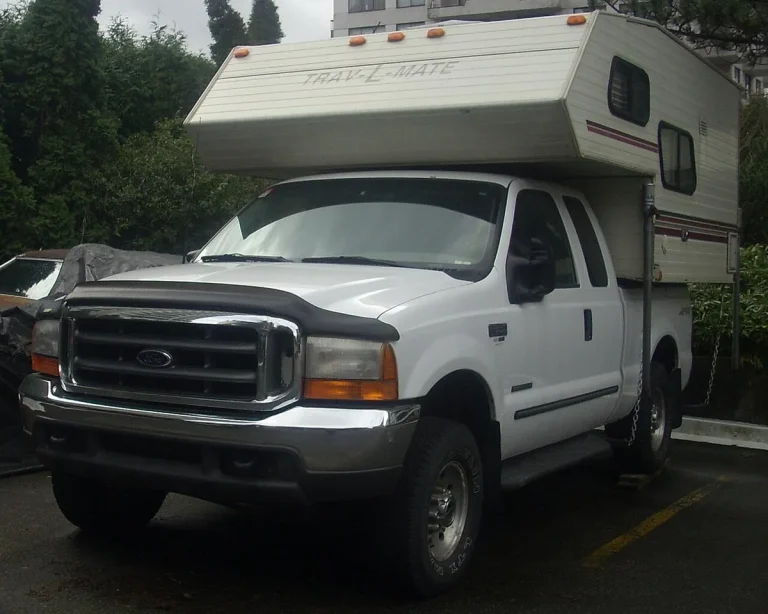
How Wide Is the Bed of a Ford F250 (Honest Picks)
If you’re wondering how wide is the bed of a Ford F-250, you’re probably trying to figure out whether your plywood, toolboxes, or gear will actually fit, without guessing. The answer isn’t just one number, because Ford offers multiple bed configurations, and usable space depends on where you measure. Manufacturer specifications indicate the interior floor width between wheel wells typically ranges from 61 to 62 inches as of 2026, but that’s only part of the story. To get the full picture, we need to break down what “width” really means for your truck’s cargo area.
The F-250’s bed width changes based on cab type, bed length, and whether you’ve got a Styleside or Flareside design. Even accessories like bed liners or toolboxes can shrink your real-world loading space. In the sections below, we’ll walk through each factor that affects usable width, show you how to measure accurately, and help you avoid common mistakes when planning your next haul.
Why Bed Width Isn’t Just One Number
Truck beds aren’t simple rectangles, they’re shaped by wheel wells, cab mounts, and body contours that eat into flat loading space. The Ford F-250 is no exception. If you only look at exterior dimensions (which hover around 96, 98 inches including mirrors), you’ll overestimate what actually fits inside. Real usable width is measured at floor level, between the inner edges of the wheel wells, where your cargo sits.
That’s why Ford publishes both interior and exterior specs, and why you should care about the difference.
Different model years and trims can shift these numbers slightly, but the core issue remains: wheel wells intrude about 9 inches on each side, creating a narrower “flat floor” zone. This means two loads with the same external footprint might fit in one F-250 configuration but not another. Understanding this distinction saves you from showing up to the lumberyard only to realize your 4×8 sheets won’t lie flat.
Interior vs. Exterior Width – What Actually Matters for Loading
When planning a haul, always prioritize interior bed width, specifically the floor measurement between wheel wells. For the Ford F-250, that’s consistently around 61, 62 inches across recent model years. In contrast, the total interior width (including the curved sections over the wheel wells) stretches closer to 79 inches, but you can’t stack heavy or rigid items there without risking damage or instability. Exterior width, including fenders and mirrors, is nearly 8 feet, but it’s irrelevant for cargo fit.
Here’s a quick reference for key width measurements:
| Measurement Type | Approximate Width (inches) |
|---|---|
| Interior floor (between wells) | 61–62 |
| Total interior width | ~79 |
| Exterior width (with mirrors) | 96–98 |
| Tailgate opening width | 60–61 |
If you’re loading sheet goods, appliances, or pallets, the floor width is your limiting factor. Always measure your cargo’s narrowest dimension against this number, not the truck’s overall width.
Ford F-250 Bed Styles: Styleside vs. Flareside
Ford offers two main bed styles for the F-250: Styleside and Flareside (also called “stepside” in older models). Styleside is the modern, smooth-sided design with integrated wheel arches that blend into the body, it’s what most buyers choose today. Flareside features pronounced rear fender flares that stick out beyond the bed walls, giving a retro look but reducing interior width slightly due to thicker sidewall contours.
In practice, Styleside beds provide marginally more usable floor space because the wheel wells are less intrusive and the interior walls are straighter. Flareside models, while visually distinctive, can cost you up to an inch of effective width on each side. If maximum cargo capacity is your priority, Styleside is the clear winner. Most fleet buyers and contractors opt for Styleside for this reason, while Flareside appeals more to collectors or custom builders focused on aesthetics.
Wheel Wells and the Real Usable Floor Width
Wheel wells are the arched metal housings that cover the rear wheels, and they’re the biggest thief of flat bed space. On the F-250, each wheel well intrudes roughly 9 inches into the bed, leaving a central flat zone of about 61, 62 inches. That’s why a standard 4-foot-wide sheet of plywood fits snugly, but anything wider than 62 inches will either rest on the wheel wells (unstable) or hang over the sides.
You’ll also notice the floor isn’t perfectly level where the wheel wells meet the bed floor, there’s a slight ramp-up. This means long, rigid items like ladders or framing lumber may rock if not secured properly. For heavy or precision loads, always center your cargo over the flat section and use tie-downs anchored to the bed rails, not the wheel well edges.
Cab and Bed Length Combinations That Affect Width
The F-250 comes in three cab styles, Regular Cab, SuperCab, and Crew Cab, paired with either a 6.75-foot (short) or 8-foot (standard/long) bed. Surprisingly, bed length doesn’t change interior width, but cab size affects how the bed is mounted and where structural reinforcements sit. Crew Cab models, for example, have slightly different frame rails that can influence tailgate alignment and interior contouring near the cab bulkhead.
More importantly, shorter beds (6.75 ft) often appear on SuperCab configurations, which may include additional storage compartments or rear-hinged doors that limit rear access. If you need both wide cargo space and easy loading from the sides, a Crew Cab with the 8-foot bed gives you the most consistent interior dimensions and full-width access. Regular Cab trucks offer simplicity but fewer modern amenities and tighter rear access.
How to Measure Your F-250 Bed Accurately
Grab a tape measure and start at the widest point between the inner wheel wells, right at floor level. Don’t measure from the top of the bed rails, those are higher and wider than the actual cargo floor. Pull the tape tight across the flat section, avoiding the curved ramps near the wheel wells. You should get a reading between 61 and 62 inches on most recent F-250 models.
Next, measure the total interior width at the same height, including the space over the wheel wells. This usually hits around 79 inches, but remember: that extra width isn’t stable for heavy or flat loads. Also check the tailgate opening width, typically 60 to 61 inches, because even if your cargo fits inside, it won’t load properly if the gate opening is too narrow.
If you’ve added a bed liner, toolbox, or drop-in divider, measure again with those in place. Rubber or plastic liners can shave off half an inch on each side, and crossover toolboxes often block the front third of the bed. For precision, lay a straightedge across the wheel wells and measure down to the floor to confirm true flatness.
Common Mistakes When Judging Bed Space
One of the biggest errors is assuming all F-250 beds are identical. They’re not, Styleside and Flareside models differ, and older trucks (pre-2017) had slightly narrower interiors. Another trap is relying on exterior dimensions; your 80-inch-wide appliance won’t fit just because the truck looks wide from the outside.
People also forget that cargo height matters. Tall items like refrigerators or stacked pallets can hit the cab’s rear window or roof if the bed is too short, even if the width is fine. And don’t overlook tie-down placement: Ford mounts D-rings near the wheel wells, so wide loads might not anchor securely if they overhang those points.
Finally, many buyers ignore how bed accessories shrink usable space. A spray-in liner adds texture but not width, while a retractable tonneau cover requires clearance above the bed rails. Always account for these additions before committing to a load plan.
Will a 4×8 Sheet of Plywood Fit Flat? Real-World Fit Test
Yes, but only if you’re using the standard 4-foot width. A typical 4×8 sheet of plywood measures 48 inches wide, which slips easily into the F-250’s 61-inch floor zone with room to spare. You can even load two sheets side by side if they’re thin enough to flex slightly over the wheel wells.
However, rigid materials like MDF or solid wood panels over 62 inches wide won’t lie flat without bridging the wheel wells. That creates uneven pressure and risks cracking or shifting during transit. For anything wider than 62 inches, consider tilting the load diagonally or using a trailer.
In our research, contractors report that 4×8 sheets fit best in Crew Cab models with the 8-foot bed, where the longer wheelbase reduces cab interference. SuperCab trucks with the 6.75-foot bed work too, but you’ll have less overhang room at the rear. Always secure sheets with ratchet straps anchored to the bed’s front tie-downs, not the tailgate.
Comparing F-250 Bed Width to F-150, F-350, and Competitors
The F-250’s bed width is nearly identical to the heavier-duty F-350, both share the same platform and interior dimensions. That makes sense, since payload differences come from suspension and frame strength, not bed size. But compared to the half-ton F-150, the F-250 offers about 3 extra inches of floor width, thanks to its broader Super Duty frame.
Against rivals, the F-250 holds its own. The Chevy Silverado 2500HD matches it at roughly 61 inches between wheel wells, while the Ram 2500 comes in slightly narrower at 59, 60 inches. Ford’s advantage is consistency: unlike some competitors, it hasn’t changed bed dimensions significantly across recent generations.
If you’re choosing between these trucks solely for cargo width, the F-250 and F-350 are virtually interchangeable. But if you need maximum width with minimal wheel well intrusion, the F-250’s Styleside design beats the Ram’s more pronounced arches and the Silverado’s deeper well contours.
Best Bed Configuration for Contractors vs. Daily Drivers
Contractors prioritize flat, wide floors for tools, materials, and equipment. For them, the Crew Cab with the 8-foot Styleside bed is ideal, it delivers the most consistent interior width, full-length access, and enough cab space for crew or gear. The longer bed also reduces overhang when hauling lumber or pipes.
Daily drivers who occasionally tow or haul might prefer the SuperCab with the 6.75-foot bed. It’s easier to park, gets better fuel economy, and still fits most weekend project materials. Just remember: the shorter bed means more overhang for long items, so secure everything properly.
Avoid Regular Cab models unless you rarely carry passengers or need maximum bed length relative to overall vehicle size. They’re rare now and lack modern comforts, but they do offer the longest possible bed for their wheelbase. For most users, Crew Cab strikes the best balance between usability and cargo capacity.
Official Ford Specs by Model Year (Key Data Table)
Ford’s published dimensions have remained remarkably consistent since the 2017 redesign, but minor tweaks appear in earlier models. For the 2020, 2026 F-250 Super Duty, interior bed width between wheel wells holds steady at 61.5 inches, while total interior width (including wheel well arches) measures 78.8 inches. The tailgate opening is 60.5 inches wide, just enough for most standard loads without forcing.
Pre-2017 models (2011, 2016) show nearly identical numbers, though some owners report a half-inch less floor width due to slightly thicker wheel well flanges. If you’re shopping used, always verify with a tape measure, as aftermarket modifications or corrosion can alter factory specs. Ford’s official documentation lists these under “Cargo Bed Dimensions” in the owner’s manual or online configurator.
Here’s a quick reference for recent years:
| Model Year | Floor Width (in) | Total Interior Width (in) | Tailgate Opening (in) |
|---|---|---|---|
| 2020–2026 | 61.5 | 78.8 | 60.5 |
| 2017–2019 | 61.5 | 78.8 | 60.5 |
| 2011–2016 | ~61.0 | ~78.5 | ~60.0 |
Always cross-check with your VIN if precision matters, Ford occasionally updates tolerances without changing published specs.
Accessories That Shrink Your Usable Width
Bed liners seem harmless, but they’re sneaky space thieves. Spray-in liners add texture and protection, yet they can reduce floor width by up to 0.5 inches total due to coating buildup near the walls. Drop-in plastic liners are worse, they often include raised ribs or thicker sidewalls that cut another inch off each side. Measure after installation, not before.
Toolboxes are another common culprit. Crossover models mount directly behind the cab and typically span 60, 65 inches, blocking access to the front third of the bed. If your cargo needs that zone, consider side-mount or chest-style boxes that tuck beside the wheel wells. Even soft tonneau covers require rail clearance, which can limit how high you stack items near the bed walls.
Other offenders include bed extenders, cargo nets with rigid frames, and aftermarket tie-down systems that protrude inward. Before buying any accessory, check its installed dimensions, not just the product description. A few inches lost here and there add up fast when you’re trying to fit that last sheet of drywall.
Safety and Legal Limits for Overhanging Loads
If your cargo sticks out beyond the tailgate, you’re legally required to mark it. Federal guidelines (and most state laws) mandate red flags during the day and red lights at night for any load extending more than 4 feet past the rear bumper. On the F-250, that means loads longer than 12 feet in an 8-foot bed need proper signaling.
Width-wise, anything overhanging the sides by more than 4 inches must also be marked with flags or reflectors. This is especially critical for wide items like plywood sheets or machinery parts. Don’t assume “it fits inside the mirrors” is enough, law enforcement measures from the outermost point of the vehicle, including mirrors.
Securement matters too. FMCSA rules require at least two tie-downs for loads under 10 feet, and more for heavier or irregular items. On the F-250, use the factory-installed D-rings near the wheel wells, but avoid anchoring to plastic bed rails or the tailgate itself. If your load shifts, even a perfectly measured bed won’t prevent an accident.
Final Checklist: Picking the Right F-250 Bed for Your Needs
Start by listing your most common cargo: Is it wide but short (like sheet goods), or long and narrow (like pipes)? Match that to a bed length, 8-foot for overhang-heavy loads, 6.75-foot for city driving and occasional hauls. Then confirm interior width: Styleside beats Flareside if every inch counts.
Next, consider cab size. Crew Cab gives you passenger space and consistent bed access, while SuperCab offers tighter parking. Avoid Regular Cab unless you’re running a dedicated work truck with no passenger needs. Always measure your actual gear against the 61, 62 inch floor zone, not the truck’s exterior.
Finally, factor in accessories early. Buy liners and toolboxes after confirming your critical load dimensions. And remember: Ford’s specs are a starting point. Real-world fit depends on what you’re hauling, how you secure it, and whether your local laws allow the overhang.
When in doubt, test with a mock load before committing.
Related posts:
 What Year Ford F250 to Avoid
 Does a 2001 Ford F250 Have a Cabin Air Filter
How Long Is a Ford F250 Extended Cab
 How Many Tons Can a Ford F250 Haul
 How Much Does a 2019 Ford F250 Weigh
How Much Is a 1995 Ford F250 Worth
How to Disable Tpms on Ford F250 — Ranked & Reviewed
How to Remove Ford F250 Radio for 2026: Worth Your Money
How to Replace Ford F250 Side Mirror in 2026 (Worth Buying)
Roll Down Windows With Remote Ford F250
How to Turn 4×4 on Ford F250 (Worth Your Money)
 Best Windshield Wipers for Ford F250