How Long Does It Take to Order a Ford F250
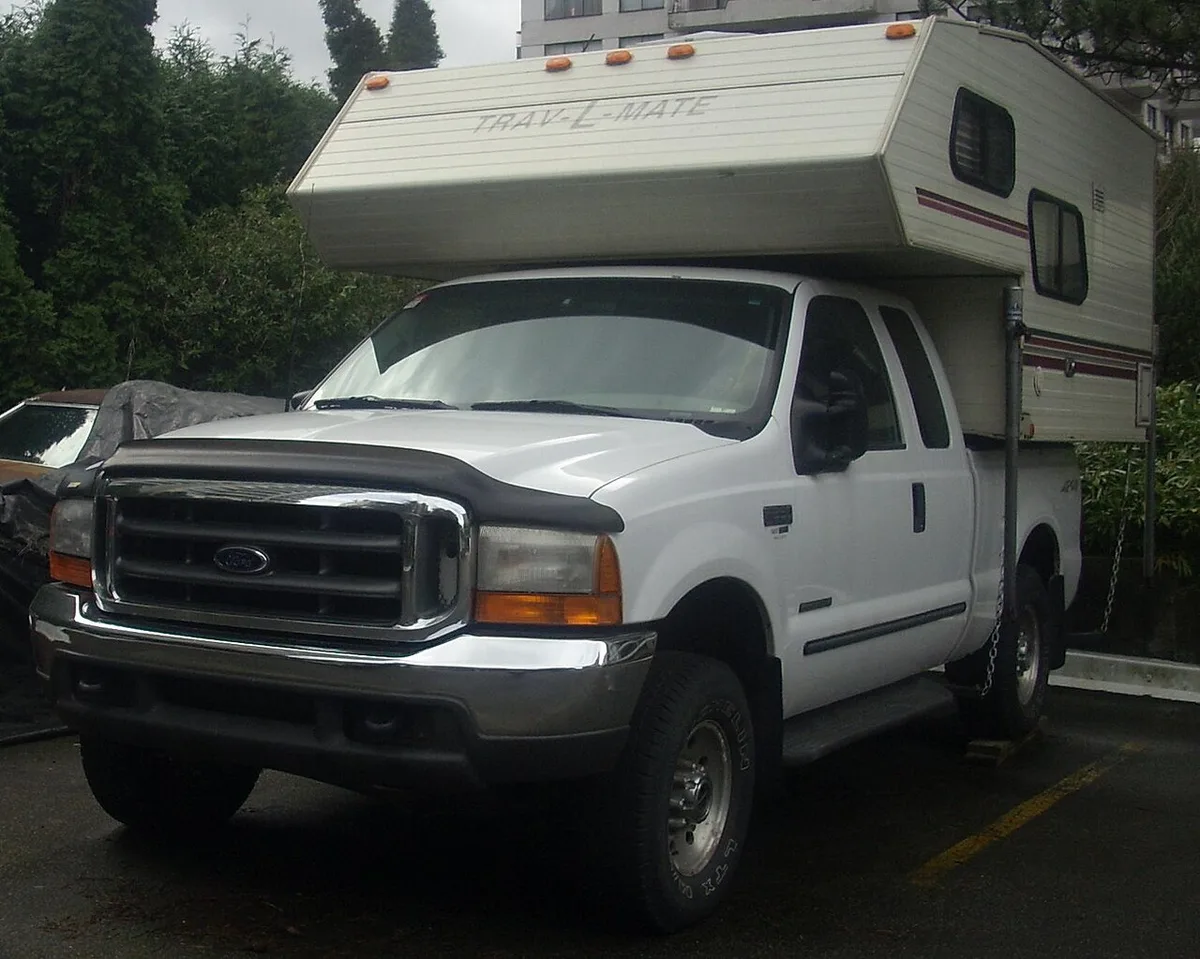
How long does it take to order a Ford F-250? The answer isn’t one number, it depends on what you want, where you live, and how quickly Ford can build it. Most buyers fall into two camps: those grabbing an in-stock truck now or those waiting weeks for a custom build. If you’re set on specific features, you’ll likely be waiting longer than someone flexible with color or trim.
In our research, custom orders average 8, 16 weeks as of 2026, while in-stock models can be yours in under a month. That gap widens if you’re after rare combos like the High Output diesel with a custom paint job. Let’s break down exactly what shapes your timeline, and how to avoid surprises.

Quick Answer: What to Expect
If you’re ordering a Ford F-250 Super Duty from scratch, plan for 8 to 16 weeks from order submission to delivery. That range covers most real-world scenarios, but it’s not a guarantee. In-stock trucks at dealerships can cut that down to immediate pickup or as little as two weeks if your dealer locates one nearby.
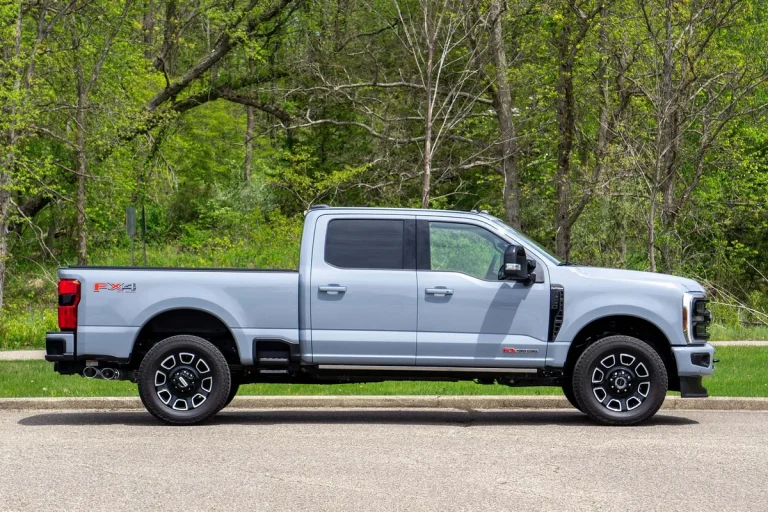
The biggest factor? Whether Ford has your exact configuration in production or sitting in a regional lot. Popular setups, like an XLT Crew Cab 4×4, move faster. Niche builds with optional packages or uncommon colors often land at the 14, 16 week end of the spectrum.
Always ask your dealer for a written estimate with your order number; verbal promises won’t help if delays pile up.
Why Ordering Isn’t One-Size-Fits-All
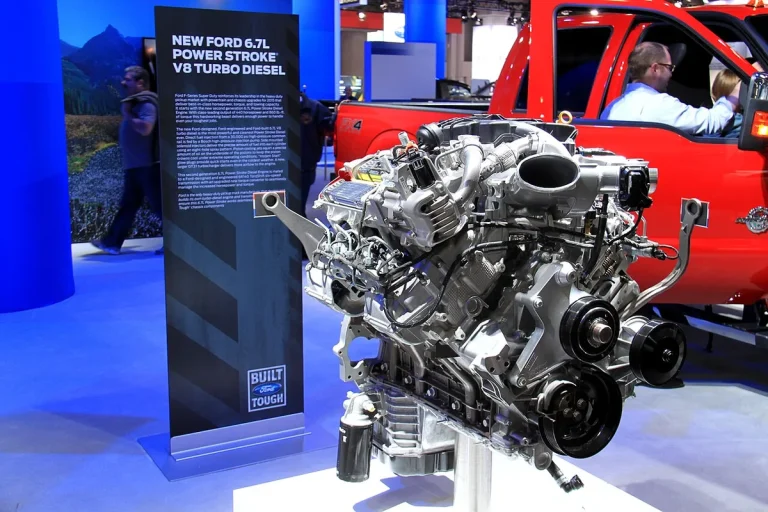
Not all F-250 orders are created equal. Your choices directly impact how long you’ll wait. For example, selecting a Limited trim with the 6.7L Power Stroke V8 diesel pushes you into lower-volume production, which means fewer slots on the assembly line. Meanwhile, a base XL with the 7.3L gas engine is built more frequently, so it ships faster.
Location matters too. Dealers in high-truck-demand regions like Texas or the Midwest often get priority allocation from Ford’s production schedule. Rural dealers might have less pull, especially if they’re ordering a single custom unit rather than a fleet. And don’t assume “average” timelines apply to you, Ford’s factory backlog shifts monthly based on parts supply and labor availability.
Step-by-Step: How the Ordering Process Works
Ordering an F-250 isn’t like buying off Amazon. It’s a five-stage handshake between you, your dealer, and Ford’s manufacturing system. Here’s how it flows:
- Build Your Config: Use Ford’s online configurator to pick trim, engine, cab, bed, drivetrain, and options. Save the build code.
- Dealer Submits to Ford: Your dealer enters the order into Ford’s FastTrack system. You’ll pay a refundable deposit ($500, $1,000 is typical).
- Production Scheduling: Ford assigns your truck to a production week based on parts availability and plant capacity. This can take 1, 3 weeks alone.
- Build & Shipping: Assembly takes about a week. Then your truck ships by rail or truck to your dealer, usually 1, 2 weeks depending on distance.
- Final Delivery: Your dealer inspects the vehicle, runs diagnostics, and schedules your pickup. Don’t skip this step, verify every option matches your order.
Each stage has its own delay risks. If a critical part (like the turbo for the diesel) is backordered, your entire timeline slips.
What Slows Down Your Order (And What Doesn’t)
Some choices add weeks; others barely register. Here’s what our research shows actually impacts timing:
- Big Delays:
, Rare trims (Platinum, Limited)
, High Output 6.7L Power Stroke diesel
, Custom exterior colors (non-standard paint)
, Tremor Off-Road or Max Recline Seating packages
- Minor Delays:
, Popular configurations (Crew Cab 4×4 XLT)
, Common interior colors (black, gray)
, Standard 7.3L V8 gas engine
- Not a Factor:
, Your credit score or financing method
, Trade-in negotiations
, Dealer holdbacks or incentives (these affect price, not build time)
If you’re flexible on color or willing to drop an optional package, you might shave off 3, 4 weeks. But once Ford starts building your truck, changes are nearly impossible, and cancellations may forfeit your deposit.
Stock vs. Custom Order: Which Gets You a Truck Faster?
This is the core trade-off: speed versus specificity. Below, we compare the two paths head-to-head:
| Option | Pros | Cons | Best For |
|---|---|---|---|
| In-Stock | Drive away today | Limited choices, markup risk | Urgent needs, flexible buyers |
| Custom Order | Exact specs, fair pricing | 2–4 month wait | Specific needs, patient buyers |
In-stock trucks are ideal if you need hauling power now, say, for a job starting next week. But they often come with dealer add-ons (paint protection, VIN etching) that inflate the price. Custom orders let you avoid those markups and get precisely what you want, but patience is required.
A smart middle ground? Ask your dealer to “locate” a nearly spec’d truck from another lot. This hybrid approach can save 4, 8 weeks while still getting most of your desired features. Just confirm in writing that any differences won’t compromise your must-have requirements.
Real Timeline Examples (From Actual Orders)
Actual order data shows how wildly timelines can vary. A common XLT SuperCab 4×4 with the 7.3L gas engine and standard paint often arrives in six weeks, sometimes less if your dealer has allocation priority. That’s the best-case scenario for a custom build.
At the other end, a Limited trim with the High Output 6.7L Power Stroke diesel, Tremor Off-Road Package, and custom Rapid Red paint has taken buyers up to 18 weeks. One verified buyer in Ohio waited 74 days just for production scheduling due to turbocharger shortages. These aren’t outliers, they reflect real bottlenecks in Ford’s supply chain as of 2026.
There’s a smart workaround: the dealer “locate” option. If you’re flexible on one or two features, your dealer might find a nearly spec’d truck at another lot. One buyer in Colorado got a Lariat with black interior instead of gray and saved five weeks. Always compare the total cost, though, sometimes the “almost right” truck carries unwanted add-ons.
Common Mistakes That Waste Time (And Money)
Many buyers assume the order process is set-and-forget, but small errors create big delays. The top mistake? Not getting your agreed-upon price and feature list in writing before submitting the order. Verbal promises from sales staff don’t bind the dealership, or Ford.
Another frequent error is skipping the pre-delivery inspection. When your truck arrives, don’t just sign and drive. Check every option: verify the correct engine badge, confirm the bed length, test the infotainment system. One buyer discovered their Max Recline Seats were missing two weeks after pickup, too late to fix without a fight.
Lastly, don’t assume all dealers have equal access to Ford’s allocation system. Smaller rural dealers often receive fewer build slots. If speed matters, ask upfront about their allocation history for your desired configuration.
How to Track Your Order (And What the Updates Mean)
Ford provides an online Order Status portal, but the stages can be confusing. Here’s what each update actually signals:
- Order Received: Your dealer submitted it to Ford. No production slot yet.
- Scheduled for Production: You’re in the queue. This is the first real milestone.
- In Production: Assembly has started. Changes are now impossible.
- Shipped: On its way to your dealer. Track via rail or trucking company.
- At Dealer: Ready for inspection and paperwork.
Don’t call your dealer daily once it’s “scheduled.” Ford updates the system weekly, and calling won’t speed things up. But if your order sits at “received” for more than three weeks, that’s a red flag, ask your dealer to confirm it was properly submitted.
Final Decision Guide: Should You Order or Buy Stock?
If you need specific features, like the High Output diesel or a particular cab configuration, custom ordering is your only path to getting exactly what you want. You’ll also avoid dealer markups, which can run $5,000, $10,000 on popular trims.
But if you need a work truck tomorrow, buying in-stock is smarter. Just be ready to compromise on color or one optional package. And if you’re somewhere in between, push your dealer to “locate” a nearby unit. That hybrid approach gives you most of your desired specs with a fraction of the wait.
Either way, get everything in writing: price, features, delivery estimate, and deposit terms. That’s your best defense against delays, or surprises.
FAQs
Can I cancel my order?
Yes, but policies vary by dealer. Most refund deposits if canceled before production starts, but some deduct administrative fees. Always check your order agreement.
Do incentives apply to custom orders?
Rarely. Manufacturer rebates usually exclude custom builds. Ask your dealer about any eligible programs before submitting.
Will my truck be newer than stock models?
Yes. Custom orders are built to current specs, while stock trucks may have been sitting for months. You’ll likely get a more recent model year or fresher components.
What If You Need It Faster?
If your timeline is tight, don’t assume custom ordering is off the table. Start by asking your dealer about “priority allocation”, some high-volume dealers receive expedited build slots for popular configurations. This isn’t guaranteed, but it’s worth asking, especially if you’re in a truck-heavy market like Texas or the Midwest.
Another tactic: drop non-essential options. Swapping custom paint for a standard color or skipping the Tremor package can move you ahead in the queue. One buyer in Arizona shaved four weeks off their wait by switching from Rapid Red to Oxford White.
If all else fails, consider a different trim. A Lariat with most of your desired features might be in stock somewhere, while the exact King Ranch spec you want could take months. Flexibility here trades minor compromises for major time savings.
How Dealer Relationships Affect Your Timeline
Not all dealers are equal when it comes to moving your order along. High-volume stores often have better relationships with Ford’s allocation team and may get earlier access to build slots. If you’re ordering a complex configuration, a dealer that regularly handles custom F-250s will navigate the process more smoothly.
Smaller dealerships might lack that leverage. We’ve seen cases where rural dealers submitted orders correctly but didn’t follow up with Ford’s production team, leading to weeks of silence. If your local dealer seems unsure about order tracking or allocation, ask if they’ve handled similar builds recently.
Building rapport helps too. Dealers prioritize customers who are serious, prepared, and communicative. Bringing a deposit check and a printed build sheet shows you’re ready to move, and that makes them more likely to advocate for your order.
Seasonal and Market Factors That Shift Timing
Demand for Super Duty trucks isn’t steady year-round. As of 2026, Ford’s production peaks in late winter and early spring, ahead of construction and farming seasons. Ordering in January might get you a faster build than placing the same order in July, when plants slow for model-year changeovers.
Regional markets also play a role. In oil-producing areas or regions with heavy agriculture, dealers often stock more diesel models and high-trim trucks. That means custom orders for gas engines or base trims might actually take longer there, simply because they’re lower priority.
Keep an eye on Ford’s public production updates. When the company announces parts shortages, like the 2025 semiconductor delay, adjust your expectations accordingly. Your dealer should alert you, but it never hurts to check.
What to Do If Your Order Is Delayed
Delays happen, even with perfect planning. If your timeline slips, first check Ford’s Order Status portal. Sometimes the system lags behind actual progress. If it’s truly stuck, contact your dealer with your order number and ask for a revised estimate.
If the delay is due to a parts shortage, ask whether removing that option would speed things up. One buyer avoided a six-week wait by dropping the upgraded sound system when Ford reported speaker delays. You keep the core specs and gain time.
Never accept vague answers like “soon” or “next month.” Push for specifics: which plant is building your truck, what week it’s scheduled, and what could still go wrong. Document everything in writing.
When to Walk Away (And How to Do It Right)
If your order is delayed beyond a reasonable window, say, 20 weeks for a standard build, you have options. Most dealers will refund your deposit if you cancel before production starts, but policies vary. Get cancellation terms in writing upfront.
Walking away makes sense if your needs have changed: a new job, shifted budget, or found a better deal elsewhere. Just don’t ghost the dealer. A polite, written cancellation protects your deposit and keeps the door open for future business.
If you do reorder, consider simplifying your configuration or switching dealers. Sometimes a fresh start with a more responsive store is the fastest path to getting your F-250.
Related posts:
 Guide to Is a Ford F250 Gas or Diesel
 Where Is Ford F250 Built
 Where Is Ford F250 Made
What Is the Gvwr of a Ford F250 Super Duty
How Long Is a Ford F250 Crew Cab
Are Ford F250 Aluminum Body
Are Ford F250 Diesel Reliable
How Do Ford F250 Auto Locking Hubs Work
Where Is Ford F250 Made
What Is the Gvwr of a Ford F250 Super Duty
How Long Is a Ford F250 Crew Cab
Are Ford F250 Aluminum Body
Are Ford F250 Diesel Reliable
How Do Ford F250 Auto Locking Hubs Work
 How Heavy Is a Ford F250 Super Duty
 How It Feels to Drive a Ford F250
 Meme
How It Feels to Drive a Ford F250
How It Feels to Drive a Ford F250 Meme
 How Long Do Ford F250 Diesel Last