
Fix Power Steering Assist Fault Ford F150: Codes, Reset & Cost
That dreaded “Power Steering Assist Fault” message pops up, leaving you worried about what’s happening under the hood. But don’t stress just yet. Understanding what this fault means and how to fix it can save you time, money, and a lot of headaches.
In this guide, you’ll discover simple, actionable steps to diagnose and resolve the power steering assist fault in your Ford F150. Whether you’re a seasoned DIY mechanic or just someone who loves their truck, this article is tailored for you. By the end, you’ll feel confident tackling this issue, ensuring your Ford F150 handles like a dream once again. So, let’s dive in and get your steering back on track!
Key Steps
- Scan for Error Codes with an OBD-II Scanner
- Check the Battery Voltage and Charging System
- Inspect Power Steering Fuses and Relays
- Examine Steering Rack and Electric Assist Motor
- Check Wiring and Connectors for Damage or Corrosion
- Replace Faulty Sensors or Components (if needed)
- Clear the Error Codes
- Test Drive the Vehicle to Confirm the Repair
What the Power Steering Assist Fault Means on Your F-150
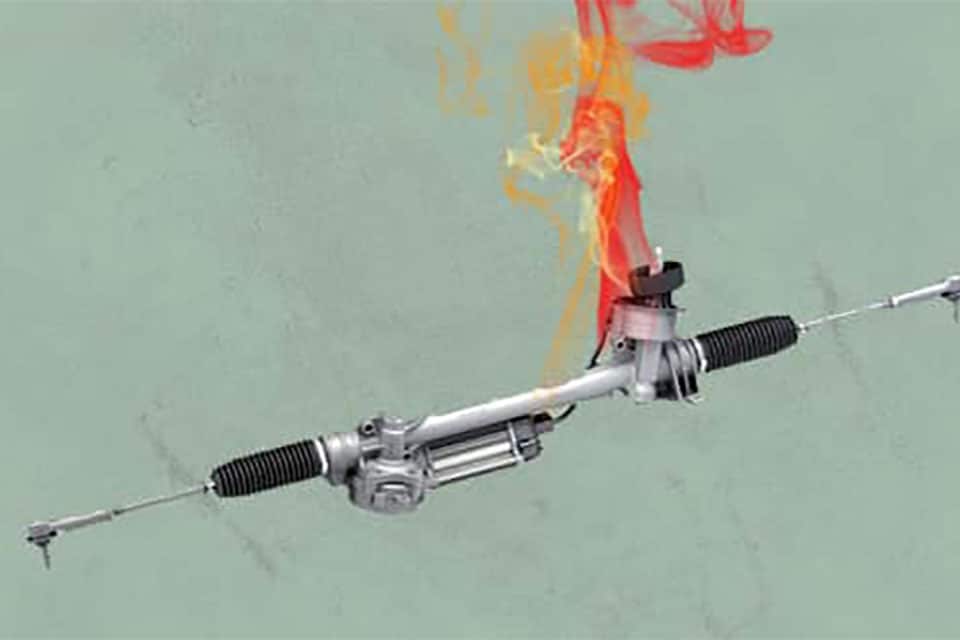
The message means the module that controls steering assist has detected a fault and either reduced or disabled power assist. On 2011–2014 F-150s the system is hydraulic with an electric pump assist; on 2015 and newer trucks it is a fully electric power steering (EPAS) system with a Power Steering Control Module (PSCM) mounted on the rack. The fix path is different for each generation, so identify your model year first.
Common Causes and Fault Codes
Faulty wiring and loose connectors are among the most common triggers. Check the fuses and relays too — a blown fuse or a weak battery can drop voltage below what the electric power steering needs. On 2011–2014 F-150s the system is hydraulic, so low fluid or a failing pump is more likely. On 2015 and newer trucks, the Power Steering Control Module (PSCM) and torque sensor are frequent culprits. Replace any bad parts promptly to keep steering response reliable.
The steering rack and pinion helps you turn, and internal leaks or worn gears can cause binding or noise. On EPAS trucks, the assist motor is built into the rack, so a rack failure often means replacing the whole unit. Listen for grinding or whining that changes with steering input — that points to the rack or motor rather than a simple electrical fault.
Sometimes the car’s software can cause steering faults. Update the software to fix these bugs. A reset might help, too. This can clear any errors. Keeping software up-to-date is key.
Identifying Symptoms
Warning Light Indicators are the first sign of trouble. The dashboard might show a light. This warns of a steering problem. It’s important not to ignore it.
Steering Difficulty can occur suddenly. The wheel becomes hard to turn. This makes driving unsafe. If this happens, check your power steering system.
Unusual Noises are a clue that something is wrong. Listen for squeals or grinding sounds. These noises can mean a problem with the steering system. Fixing this quickly is wise.
Initial Troubleshooting Steps
How to Reset the Power Steering Assist Fault
Battery Disconnect Method
Disconnect the negative battery terminal, wait 10–15 minutes, then reconnect. Start the truck and turn the wheel lock-to-lock slowly. This clears adaptive memory but does not repair a hardware fault — if the warning returns, scan for codes.
Scan Tool Recalibration
A Ford-capable scan tool or FORScan can clear PSCM codes and run a steering angle sensor recalibration. This is the correct reset after any steering or suspension work and is often required before the assist will function normally again.
First, confirm which system your truck has. On 2011–2014 F-150s, check the power steering fluid level with the engine off: open the reservoir cap (marked with a steering wheel symbol) and make sure the fluid sits between the MIN and MAX marks. On 2015+ models there is no fluid — the system is fully electric, so skip straight to the electrical checks below.
The battery and charging system play a big role in EPAS faults. A weak battery can drop voltage and trigger the assist fault. Look for corrosion on the terminals and clean them if needed. With a multimeter, a healthy battery reads about 12.6 volts at rest and the alternator should charge at roughly 13.5–14.5 volts. If the numbers are off, have the battery and alternator tested before chasing other causes.
A quick reset can clear minor faults. Turn off the engine, remove the key, and wait about 10 minutes so the PSCM can power down. Reconnect and restart. If the warning returns immediately, the fault is real and you need to scan for codes rather than reset again.
Diagnosing With OBD-II Codes (C1B00, U3000, B1342)
A basic OBD-II scanner may not read PSCM codes — you often need a scan tool that supports Ford-specific modules or FORScan. The three codes you will see most are: C1B00 (steering shaft torque sensor), U3000 (control module fault, often internal PSCM failure), and B1342 (ECU/PSCM internal fault). C1B00 usually points to the torque sensor or its wiring; U3000 and B1342 frequently mean the PSCM or the rack assembly needs replacement.
Dirty connections can cause issues. Find the power steering connections under the hood. Use a soft brush and cleaning spray. Remove dirt and grime gently. Make sure all connections are tight and secure.
Some faults clear after a software update or recalibration. Ford dealers can flash the latest PSCM calibration, and some independent shops with Ford-capable scan tools can perform the same procedure. A steering angle sensor recalibration is also required after certain repairs so the module knows the wheel is centered.
When To Consult A Professional
Experiencing persistent power steering issues in your Ford F150? Seeking a professional’s help ensures safe driving and prevents further damage. Expert diagnosis identifies underlying problems quickly, saving time and money.
Persistent Issues
If your Ford F150 continues to show power steering assist faults, it might be time to seek help. A professional can find the hidden problems and save you from more trouble. They have the tools and knowledge to fix the issue properly. Don’t let small problems grow into bigger ones. Act early and get expert advice.
Complex Electrical Failures
Some steering problems are due to complex electrical failures. These failures can be hard to detect and fix on your own. Experts know how to handle these issues. Their skills ensure the vehicle is safe and runs smoothly. Trust them to solve tricky electrical faults.
Safety Concerns
Driving with a faulty steering system can be dangerous. It puts you and others at risk. Professionals ensure that your Ford F150 is safe to drive. They check and repair any safety issues. Don’t compromise safety; consult a professional.
Ford Recall: VIN Check and Free Dealer Repair
Ford has issued power steering assist campaigns covering certain F-150 model years. Enter your VIN on Ford’s owner site or the NHTSA recall lookup to see if your truck is included. If it is, a Ford dealer will perform the repair at no charge — even if you are not the original owner. Keep the repair order as proof the campaign was completed.
Preventive Maintenance Tips
Check the power steering system often. Look for any leaks or damage. Regular checks can stop bigger problems. This keeps your Ford F150 running smoothly.
Ensure the fluid levels are correct. Low fluid can damage the system. Use the right type of fluid for your vehicle. Always check the manual for instructions.
Take your truck for regular servicing. Professionals can find small issues early. Scheduled servicing helps in maintaining the vehicle’s health. It also ensures safety on the road.

Frequently Asked Questions
What Causes Power Steering Assist Fault In Ford F150?
Power steering assist fault in the Ford F150 can be caused by electrical issues, fluid leaks, or sensor malfunctions. A failing power steering pump can also trigger this fault. Regular maintenance and system checks can help identify and prevent these issues.
How To Reset the Power Steering Assist System?
To reset the power steering assist system, disconnect the battery for 10 minutes. Reconnect it and start the vehicle. This simple reset can often clear minor faults. Always ensure all connections are secure and check the system for any persistent issues.
Can I Drive With Power Steering Assist Fault?
You can often drive short distances with the fault, but steering effort increases significantly, especially at low speed, and the system may cut assist entirely without warning. If the wheel becomes very hard to turn, if you hear grinding, or if the fault appears alongside ABS or stability-control warnings, pull over and have the truck towed. Do not attempt highway driving with reduced or intermittent assist.
How Much Does It Cost To Fix Power Steering Assist?
Before paying for anything, run your VIN through Ford’s recall lookup and the NHTSA site. Certain F-150 model years have had power steering assist campaigns, and if your truck is covered, the dealer performs the fix at no cost. Bring your VIN and proof of ownership; eligibility is based on the specific campaign and whether the repair has already been completed.
Conclusion
Fixing the power steering assist fault in your Ford F150 can be simple. Start by checking the power steering fluid level. Ensure the fluid is within the correct range. Next, inspect the battery for any issues. A weak battery can affect the steering system.
Also, check for any loose connections. Tighten them if necessary. Addressing these common issues can restore proper function. If the problem persists, consult a professional mechanic. Regular maintenance helps prevent future problems. Keep your F150 in top condition and enjoy smooth steering.
Related posts:
 How Far Can You Drive Without an Alternator? Real Distances
 What Color Is Avalanche for Ford? The Definitive 2026 Guide
 How to Disengage 4WD in Ford F150: Easy Steps to 2H
 Ford F150 Power Steering Assist Fault: Fix by Year, Codes & Cost
 What Lug Pattern is a Ford F150: Unveiling the Perfect Fit for Your Ride
 Does My F150 Have Remote Start? 3 Easy Ways to Check
 Does 2016 F150 Have Apple CarPlay? SYNC 3 vs SYNC 2 Guide
 Best 6X8 Speakers for Ford F150: Tested & Reviewed
 Best Adjustable Hitch for F150
 How to Change Battery in F150 Key Fob
 5 Best Ford F150 Bed Covers: Expert Picks & Quality Tested
 Best Tuners for Ford F150 EcoBoost to Boost Performance