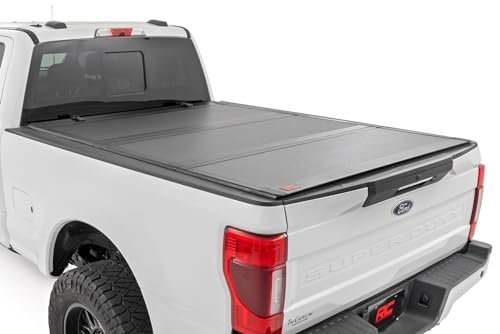
How to Tow a Ford F250
Towing a Ford F-250 isn't just about hooking up and hitting the road. If you're new to heavy-duty towing or upgrading from a lighter truck, you're likely wrestling with questions about capacity, hitch types, and safety, especially when your trailer pushes past 10,000 pounds. Getting this wrong can damage your truck, void your warranty, or worse, cause a dangerous sway event on the highway.
Manufacturer specifications indicate the F-250 Super Duty can tow up to 22,800 pounds when properly equipped with the 6.7L Power Stroke diesel, a gooseneck or 5th-wheel setup, and the right axle ratio, but that number drops fast if you’re running a gas engine or crew cab configuration. As of 2026, understanding these variables isn’t optional; it’s essential for safe, legal, and efficient towing.
Why Towing a Ford F-250 Isn’t Just About Hitching Up
Most people think towing starts at the hitch ball, but it actually starts in your owner’s manual. The F-250’s towing capability isn’t a single number; it’s a web of interdependent limits: Gross Combined Weight Rating (GCWR), payload, axle ratio, cab style, bed length, and drivetrain. Overlook one, and you risk exceeding your truck’s actual safe capacity even if the trailer weighs less than the advertised max.
For example, a diesel F-250 with a regular cab, long bed, and 4.30 axle ratio will out-tow a crew cab with the same engine but a 3.55 rear end, sometimes by thousands of pounds. That’s because payload (the weight your truck can carry, including passengers, gear, and tongue weight) becomes the bottleneck in heavier configurations. Always calculate your real-world GCWR minus your truck’s curb weight and payload usage before assuming you’re in the clear.
Know Your Truck’s Real Towing Limits (It’s Not Just the Max Number)
The sticker on the door jamb and the Ford towing guide list two critical numbers: maximum towing capacity and GCWR. But the number that actually matters on the road is the lower of the two after you subtract your truck’s current weight and payload usage.
Here’s how to find your true limit:
- Locate your VIN and decode it using Ford’s official towing spec tool (available on Ford.com).
- Add up the weight of all passengers, cargo, fuel, and accessories inside the cab and bed.
- Subtract that from your truck’s payload capacity (found on the door jamb sticker).
- The remaining weight must cover your trailer’s tongue weight, typically 10, 15% of total trailer weight.
If your trailer weighs 18,000 pounds, you need at least 1,800, 2,700 pounds of available payload just for tongue weight. Many F-250 owners are shocked to learn their crew cab model only has ~3,200 pounds of payload, meaning even a modest load of people and gear can push them over.
The Right Hitch for Your F-250: Gooseneck, 5th-Wheel, or Weight Distribution?
Your hitch choice directly impacts stability, maneuverability, and how much you can safely tow. For trailers under 12,000 pounds, a weight distribution hitch with a Class V receiver is often sufficient. But once you cross that threshold, or tow a large travel trailer or livestock hauler, you’ll want either a gooseneck or 5th-wheel setup.
Gooseneck hitches mount to a ball in the bed, just behind the rear axle, and are common for flatbeds, horse trailers, and heavy equipment. They offer excellent weight transfer and tighter turning radius but require a reinforced bed and compatible trailer coupler.
5th-wheel hitches use a kingpin connection and a horseshoe-shaped plate in the bed. They’re ideal for large RVs because the pivot point sits directly over the rear axle, reducing sway and improving ride quality. However, they take up more bed space and usually cost more to install.
If you’re towing under 14,000 pounds and don’t need bed access, a high-quality weight distribution system with integrated sway control (like those from Blue Ox or Equal-i-zer) can work well, but never use it beyond its rated capacity or without proper setup.
Setting Up Your Trailer Brake Controller Without Guesswork
Modern F-250s come with an integrated brake controller, but it only works if calibrated correctly. Skipping this step is one of the most common, and dangerous, mistakes. Without proper gain setting, your trailer brakes will either lock up on light taps or fail to engage when needed.
Start by connecting your trailer and turning on the controller. On Ford’s system, press the “+” button until the display shows a value between 5.0 and 9.0 (this is the gain). Then, drive at 20, 25 mph on a quiet road, press the manual slider on the controller, and note how quickly the rig stops. If the trailer brakes grab too hard, reduce the gain; if they feel weak, increase it slightly.
Always test in a safe, empty parking lot first. And remember: gain settings may need adjustment for different trailers or load conditions. Never assume one setting works for all.
Pre-Tow Checklist: What You Must Verify Before Hitting the Road
Rushing this step leads to breakdowns, fines, or accidents. Run through this list every time:
- Hitch and coupler: Greased, locked, and rated for your trailer’s weight.
- Safety chains: Crossed under the coupler in a “V” to catch the trailer if it detaches.
- Breakaway switch: Battery charged and pin securely attached to the truck.
- Lights: All brake, turn, and running lights functional (use a helper or test with a multimeter).
- Tire pressure: Set to manufacturer recommendations for loaded conditions (often higher than unloaded PSI).
- Tongue weight: Measured with a scale or bathroom scale under the coupler (aim for 10, 15% of total trailer weight).
- Mirrors: Extended or replaced with towing mirrors for clear rear visibility.
Spending ten minutes here prevents hours of trouble later, and keeps you compliant with DOT regulations in most states.
Driving Safely While Towing: Handling Sway, Hills, and Stops
Sway isn’t just annoying, it’s a warning sign your setup is unbalanced or overloaded. If your trailer starts fishtailing, don’t slam the brakes. Instead, ease off the accelerator and gently apply the trailer brakes using the manual slider on your controller. This slows the trailer without locking the truck’s wheels.
On downhill grades, especially in mountainous regions, use tow/haul mode to let the transmission hold lower gears. This reduces brake fade and gives you more control. For long descents, pulse the brakes lightly rather than riding them, overheated brakes can fail completely.
Stopping distances double or triple when towing. Leave at least six seconds of following distance in dry conditions, and increase it in rain or wind. If you feel the trailer pushing your truck during a stop, your weight distribution is off or your brake gain is too low.
Common Towing Mistakes That Can Damage Your F-250 or Cause Accidents
Overloading the bed with tools or gear while towing a heavy trailer is a fast track to exceeding payload. Remember, payload includes everything: passengers, fuel, hitch weight, and cargo. Many owners forget that a full tank of diesel and two adults can eat up 500+ pounds before they even hook up.
Another frequent error is using a ball mount not rated for the trailer’s weight class. A Class III hitch might handle 6,000 pounds, but if your trailer is 12,000, you need Class V, and the receiver must match. Mismatched components can bend or shear under stress.
Never ignore unusual noises from the rear axle or suspension when loaded. Clunking, groaning, or excessive bouncing often means worn shocks, loose U-joints, or insufficient spring rate. These issues worsen quickly under load and can lead to loss of control.
Gas vs. Diesel F-250 for Towing: Which Makes Sense for You?
The 7.3L gas V8 is simpler, cheaper upfront, and easier to maintain, but it loses efficiency and torque when climbing grades with a heavy load. Aggregate fuel economy reports show diesel F-250s average 15, 18 mpg while towing 15,000+ pounds, whereas gas models drop to 8, 10 mpg under the same conditions.
Diesel engines also last longer under sustained load due to lower RPM operation and robust internals. However, if you tow less than 5,000 miles a year or mostly on flat terrain, the higher purchase price and maintenance cost of diesel may not pay off.
Consider your typical route: frequent mountain passes or long highway hauls? Diesel. Occasional weekend trips with light trailers? Gas might be plenty.
When to Upgrade: Signs Your Setup Isn’t Cutting It Anymore
If your F-250 squats more than 2 inches in the rear when hitched, your suspension is overwhelmed, even if you’re technically within limits. Add airbags or helper springs before assuming the truck is “just soft.” Persistent sway, brake overheating, or transmission overheating (check the dash gauge) are red flags your current configuration can’t handle the load safely.
You might also need an upgrade if you’re constantly adjusting brake gain for different trailers or noticing premature wear on rear tires. These suggest inconsistent weight distribution or insufficient hitch capacity.
Upgrading doesn’t always mean a new truck. A better weight distribution system, upgraded shocks, or a properly sized gooseneck hitch can transform an unstable tow into a smooth one.
Safety & Legal Must-Knows: Chains, Brakes, and State Rules
Safety chains must form a cradle under the coupler, never run them straight back. If the trailer detaches, crossed chains can prevent it from hitting the ground and give you a few critical seconds to react. In most states, trailers over 3,000 pounds require electric or surge brakes, and the breakaway system must be wired to a charged battery on the trailer.
Lighting regulations vary: some states require amber clearance lights on wide trailers, while others mandate reflective tape above a certain height. Always check your destination state’s DOT rules before crossing state lines, fines for non-compliant lighting or missing brake systems start at $200 and climb fast.
Never assume your insurance covers trailer damage or liability during towing. Many policies exclude trailers over 10,000 pounds unless specifically added.
Final Checklist: Your Step-by-Step Tow-Ready Routine
Start with the truck: verify tire pressure matches the loaded recommendation on the door jamb sticker, not the sidewall max. Check fluid levels, especially transmission and coolant, since towing pushes both harder than normal driving. Confirm your mirrors extend far enough to see past the trailer’s sides; standard mirrors leave dangerous blind spots on anything wider than 8 feet.
Move to the hitch: grease the ball or kingpin, ensure the coupler locks securely, and test the safety chains by lifting the trailer slightly. Plug in the trailer lights and walk around while someone presses the brake and turn signals, don’t assume they work because the connector fits.
Finally, do a tug test: with the trailer brakes off, try pulling forward gently. If the hitch slips or the coupler pops open, you’ve got a seating issue. Only then should you load cargo and hit the road.
This routine takes 12 minutes but prevents 90% of roadside failures.
What If My F-250 Doesn’t Have the Factory Tow Package?
You can still tow safely, but you’ll need to add key components yourself. The factory package includes an upgraded radiator, trailer brake controller, wiring harness, and sometimes a transmission cooler, all critical for sustained heavy loads. Without it, your transmission runs hotter, and you lack integrated brake control.
Start by installing a standalone brake controller compatible with your trailer’s electric brakes. Then add a transmission cooler if you plan to tow over 5,000 pounds regularly, especially in hot climates or hilly terrain. Verify your axle ratio; a 3.55 or lower won’t deliver the low-end torque needed for heavy trailers, even if the engine is capable.
Note: some aftermarket hitches require drilling into the frame. Only use Ford-approved or SAE J2807-compliant kits to avoid voiding structural warranties.
Can I Tow Without a Weight Distribution Hitch?
Only if your trailer’s tongue weight is under 500 pounds and the trailer itself is less than 5,000 pounds. Beyond that, a weight distribution hitch transfers load to the front axle, improving steering and braking. Without it, your F-250’s rear end sags, headlights point skyward, and the front tires lose grip.
Even with a gooseneck or 5th-wheel, you might not need one, those setups naturally place the pivot point near the rear axle, reducing rear squat. But for bumper-pull travel trailers over 7,000 pounds, it’s non-negotiable. Look for systems with integrated sway control, like those using friction bars or hydraulic dampers.
Never substitute a weight distribution hitch with airbags alone. Airbags support the rear but don’t redistribute weight forward, you’ll still have handling issues.
How Often Should I Inspect My Towing Setup?
Before every trip, no exceptions. Check hitch bolts for torque loss (they loosen over time), inspect safety chains for wear or kinks, and confirm the breakaway battery holds a charge. After long hauls or rough roads, recheck everything, vibration shakes loose what looked tight at home.
Monthly, inspect trailer tires for dry rot, uneven wear, or bulges. Underinflated or degraded tires are the leading cause of trailer blowouts. Also, clean and repack wheel bearings annually if you’re towing frequently; seized bearings can lock a wheel mid-drive.
If you tow weekly, consider a professional inspection every 6,000 miles. They’ll catch frame stress cracks or suspension wear you might miss.
When Should I Call a Professional?
If your trailer sways despite proper weight distribution and brake setup, a certified RV or towing specialist can diagnose hidden issues like misaligned axles or uneven tire wear. Similarly, if your F-250’s transmission overheats consistently while towing within limits, a mechanic should check the cooler flow and fluid condition.
Don’t DIY electrical work on the brake controller or lighting harness unless you’re experienced. Incorrect wiring can cause shorts, fire hazards, or total brake failure. And if you’re unsure about hitch installation, especially gooseneck or 5th-wheel, hire a shop with SAE certification.
Better to pay $200 now than risk a $20,000 accident later.