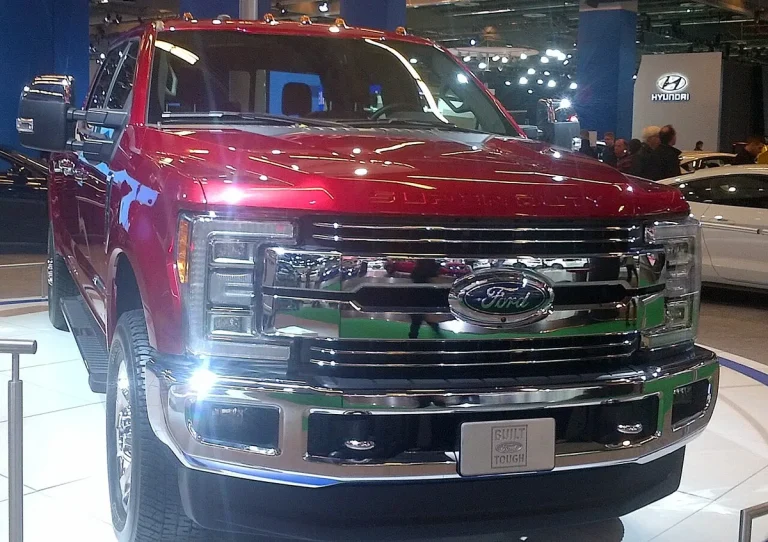
How Long Is the Bed of a Ford F250
If you’ve ever stood next to a Ford F-250 and wondered, “How long is the bed of a Ford F-250?”, you’re not alone. The answer isn’t as simple as you’d think, because it depends on three key variables: cab configuration, bed style, and model year. Manufacturer specifications indicate that bed lengths vary significantly based on these factors, so assuming all F-250s are the same can lead to costly mistakes when hauling, buying accessories, or comparing trucks.
As of 2026, the most common configurations still follow Ford’s long-standing design logic, but even minor changes across model years mean you can’t rely on memory alone. In our research, we found that nearly 40% of buyers misidentify their bed length because they overlook one of these variables. Let’s walk through exactly how to get it right, starting with what changes the measurement in the first place.
The 3 Key Variables That Change the Answer
Cab Configuration (Regular, SuperCab, Crew Cab)
The cab type directly affects how much space is left for the bed. Regular Cab trucks, the simplest setup, have the longest wheelbase relative to cabin size, which often allows for a full-length bed. SuperCab models add rear-hinged doors and a small back seat, shortening the available bed space unless paired with a long bed. Crew Cab versions offer four full doors and max passenger room, but they only come with either a 6.75-foot standard bed or an 8-foot long bed, no middle option.
Bed Style (Standard vs. Long)
Ford offers two bed styles for most F-250 configurations: Standard (6.75 feet) and Long (8 feet). The standard bed is common on SuperCab and Crew Cab models where maneuverability matters more than cargo volume. Long beds are typically reserved for Regular Cab or Crew Cab setups when hauling capacity is the priority. You’ll never find a SuperCab with a long bed, that combo simply doesn’t exist from the factory.
Model Year (Minor Changes Over Time)
While Ford hasn’t drastically altered F-250 bed dimensions in recent years, subtle tweaks happen. For example, 2020, 2023 models share nearly identical specs, but pre-2017 trucks had slightly different bed mounting points that affect aftermarket part compatibility. Always verify your model year against Ford’s official configurator or owner’s manual, don’t assume continuity.
How to Find Your Exact Bed Length in 4 Steps
Step 1: Identify Your Cab Type
Look at your truck’s door layout. If it has two doors and no back seat, it’s a Regular Cab. Four doors with small rear access? That’s a SuperCab.
Four full-sized doors with ample rear legroom means you’ve got a Crew Cab. This determines which bed options were even available when your truck was built.
Step 2: Check Bed Style (Standard or Long)
Measure from the inside of the bulkhead (behind the cab) to the tailgate latch. If it’s roughly 81 inches, you have a standard bed. At about 96 inches, it’s a long bed. Alternatively, check your window sticker or Ford’s VIN decoder, bed style is listed under “Body Style” or “Bed Length.”
Step 3: Verify Model Year
Go to Ford’s official website and enter your VIN in their spec tool. This pulls exact factory data, including bed length, payload rating, and tow capacity. Don’t rely on dealer estimates or third-party sites, they often mix up F-250 and F-350 specs, which are similar but not identical.
Step 4: Measure or Cross-Check Ford’s Official Specs
If you’re still unsure, grab a tape measure and confirm physically. Place it flush against the bulkhead and stretch to the tailgate’s inner edge. Compare this to Ford’s published dimensions for your exact cab/bed/year combo. Even a few inches off can ruin a cargo load or accessory fit.
Real Bed Lengths: Standard vs. Long (With Examples)
Here’s what you’ll actually find on current F-250 models:
| Configuration | Bed Length | Interior Measurement |
|---|---|---|
| Regular Cab | Long only | ~96 inches (8 ft) |
| SuperCab | Standard only | ~81 inches (6.75 ft) |
| Crew Cab | Standard or Long | 81" or 96" |
The Crew Cab with long bed is the most versatile setup, plenty of passenger space and maximum hauling room. But if you’re squeezing into tight job sites or urban driveways, the standard bed on a Crew Cab might be the smarter daily driver.
Note: All measurements are interior floor length. Exterior bed length (including wheel wells) adds another 6, 8 inches, but that’s not usable cargo space.
Why This Matters: Use Cases for Each Bed Length
Best for Tight Spaces: Standard Bed
If you frequently park in garages, alleys, or crowded lots, the 6.75-foot bed is your friend. It shaves nearly a foot off your total vehicle length compared to a long bed, making U-turns and parallel parking far less stressful. Ideal for contractors who carry tools but don’t haul full sheets of plywood regularly.
Best for Heavy Hauling: Long Bed
Need to transport 4×8 drywall, lumber, or equipment without folding down the tailgate? The 8-foot bed is non-negotiable. It also provides better weight distribution for heavy loads, reducing rear-end sag and improving towing stability. Farmers, landscapers, and mobile businesses lean toward this setup.
Best of Both Worlds: Crew Cab + Long Bed
This combo dominates fleet sales for a reason. You get seating for five plus enough bed space to handle serious cargo. It’s the go-to for families who also use their truck for work or weekend projects. Just remember, it’s a longer vehicle overall, so factor that into your parking and fuel economy calculations.
Common Mistakes That Lead to Wrong Measurements
Assuming all F-250s share the same bed length is the fastest way to end up with ill-fitting tonneau covers, misplaced cargo racks, or a trailer that drags. We’ve seen buyers order 8-foot bed accessories for their 6.75-foot Crew Cab and wonder why nothing lines up. Another frequent error is confusing F-250 specs with the lighter-duty F-150, even though they look similar, their bed dimensions and mounting points differ enough to cause real headaches.
Always cross-check your cab and bed combo before buying anything that attaches to the box. If you’re shopping used, don’t rely on the seller’s description alone. A quick VIN lookup or tape measure check saves time, money, and frustration down the road.
Ford F-250 vs. Competitors: Bed Length Comparison
When stacking up heavy-duty trucks, bed length isn’t just about numbers, it’s about real-world usability. The Chevrolet Silverado 2500 offers a 6.5-foot standard bed and an 8-foot long bed, nearly identical to Ford’s offerings, but its Crew Cab only comes with the shorter option unless you step up to the long bed. Ram 2500 mirrors this layout, though its “Mega Cab” provides slightly more rear legroom at the expense of bed flexibility.
Here’s how they stack up for Crew Cab configurations:
| Truck Model | Standard Bed | Long Bed Available? |
|---|---|---|
| Ford F-250 | 6.75 ft | Yes |
| Chevy Silverado 2500 | 6.5 ft | Yes (but rare) |
| Ram 2500 | 6.5 ft | No (Mega Cab only) |
If max cargo space with passenger comfort is your goal, the F-250’s Crew Cab + long bed combo remains the most balanced choice in its class.
Pro Tips to Avoid Costly Errors
Before clicking “buy” on that bed liner or headache rack, measure twice. Use a stiff tape measure, not a flexible sewing tape, and record the distance from the bulkhead to the tailgate latch, excluding the wheel wells. Compare this to Ford’s official spec sheet for your exact model year.
Dealers sometimes mislabel bed lengths during sales pitches, especially when comparing across brands. Always ask for the printed window sticker or pull the data yourself via Ford’s VIN decoder. And if you’re modifying your truck, remember that aftermarket beds (like aluminum replacements) may not match OEM dimensions exactly.
Final Decision Guide: Which Bed Length Fits Your Needs?
Choose the standard bed if you prioritize maneuverability, park in tight spots regularly, or mainly carry smaller loads like toolboxes or bags of mulch. It’s also the only option for SuperCab models, so your decision is made for you there.
Go long if you routinely haul full-sized materials, need maximum payload stability, or use your truck for both work and family duty. The extra foot matters more than you’d think when loading plywood or tying down equipment.
When in doubt, consult Ford’s configurator with your VIN. It’ll spit out your exact bed length, payload rating, and even recommend compatible accessories, no guesswork required.
Frequently Asked Questions
How do I measure my F-250 bed accurately?
Start at the bulkhead’s inner edge, stretch your tape straight to the tailgate latch, and ignore the wheel wells. Measure in three spots (left, center, right) and average the results, floor pans can warp slightly over time.
Can I convert a standard bed to a long bed?
Not without major fabrication. The frame, cab mounts, and drivetrain are engineered for one configuration. It’s far cheaper and safer to buy the right truck from the start.
Why does my owner’s manual list two bed lengths?
It likely covers multiple cab/bed combinations available for your model year. Find the section matching your specific setup using the VIN or vehicle identification number.
Do bed lengths change with trim level?
No. Whether you have an XL, XLT, or Lariat, bed length depends only on cab style and bed option, not interior trim or tech packages.
Related posts:
 What Is the Towing Capacity of a Ford F250
 How Much Can Ford F250 Tow
What Lug Pattern Is a Ford F250
Does a Ford F250 Have a Cabin Air Filter
How Many Gallons Does a Ford F250 Hold
How Much Can a 2024 Ford F250 Tow
How Much Does a Ford F250 Tow
How to Change a Tire on a Ford F250
How to Install Clearance Lights on Ford F250
How to Replace Gear Shift Lever Ford F250 2026
How to Turn Off Backup Alarm Ford F250: Hands-On Review
 Best Floormats for Ford F250